20 Years Later, The Devil Wears Prada Is Back — Korea Gets the World Premiere First
The beloved 2006 fashion film returns with its original cast for a world premiere in South Korea on April 29
 By Park Chulwon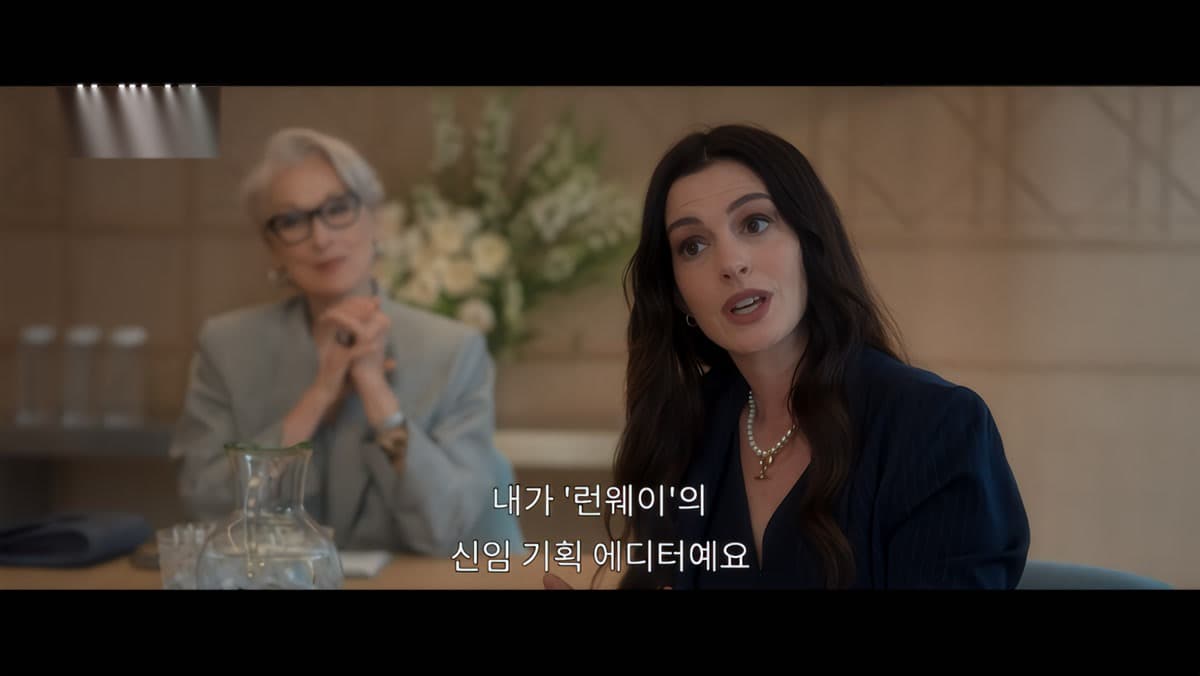
Twenty years after Miranda Priestly first terrified an entire generation of aspiring fashion editors, the most iconic fashion film in Hollywood history is making its return — and South Korea is getting it before anyone else. The Devil Wears Prada 2 is set to premiere globally on April 29, 2026, with the Walt Disney Company confirming South Korea as the first country in the world to screen the sequel. For Korean fans who grew up quoting the original, the news has been nothing short of electric.
The original Devil Wears Prada, released in 2006 and based on Lauren Weisberger's semi-autobiographical novel, earned over $326 million at the global box office on a production budget of approximately $35 million. It became far more than a box office hit — it entered the cultural lexicon as a defining portrait of ambition, workplace power dynamics, and the relentless machinery of the fashion industry. For many viewers in South Korea and across Asia, it was also one of the formative Hollywood films of the mid-2000s, inspiring countless "Miranda moments" and cementing Meryl Streep's already legendary status.
A 20-Year Wait Comes to an End
When rumors of a sequel first began circulating in earnest in late 2024, the response from fans was one of cautious excitement. The original cast had aged out of their roles in some respects, and the landscape of fashion media had changed dramatically since 2006 — print magazines now battled for relevance against influencers, TikTok, and digital-native fashion content creators. Would a sequel have anything meaningful to say?
The answer, based on the official trailer that dropped in late December 2025, appears to be a resounding yes. The trailer racked up an astonishing 180 million views within 24 hours of release, signaling that appetite for this story had not diminished in the slightest. On Korean social media, the trailer trended across multiple platforms, with fans sharing clips and memes within minutes of the release.
The sequel picks up with the characters navigating a dramatically transformed media landscape. Andrea Sachs, now fully established in the industry, finds herself returning to the orbit of Miranda Priestly as they both vie for influence over the future direction of Runway, the prestigious fashion magazine at the heart of the original story. The dynamics between the characters have evolved significantly — the sequel's promotional materials hint at a much more complex, and perhaps more equal, relationship between Miranda and Andrea than the hierarchical tension that defined the first film.
Lauren Weisberger, the author of the original novel, published a follow-up book in 2013 titled "Revenge Wears Prada: The Devil Returns," which provided the conceptual foundation for the sequel's development. Aline Brosh McKenna, who wrote the screenplay for the original film, is understood to have been involved in developing the sequel's script.
The Original Cast Returns
Perhaps the most remarkable aspect of the sequel is the near-complete return of the original cast. Meryl Streep reprises her role as the imperious Miranda Priestly, the editor-in-chief of Runway whose ice-cold authority became one of cinema's great character performances. Streep's portrayal of Miranda — the withering glances, the barely-above-a-whisper pronouncements of judgment — became so culturally embedded that the character has been referenced in workplaces, classrooms, and popular culture for two decades.
Anne Hathaway returns as Andrea Sachs, the ambitious young journalist whose year working for Miranda became a formative and occasionally traumatic crucible. In the sequel, Andrea is introduced as Runway's new planning editor — a role that immediately places her back in Miranda's sphere with a different kind of authority. Emily Blunt returns as Emily, Miranda's first assistant whose dedication to the fashion world was both admirable and darkly comic in the original. Stanley Tucci is also back as Nigel, the art director whose wry warmth served as a grounding presence in the original film's more absurdist moments.
The return of all four major cast members — combined with the evident care taken with the sequel's production design, which updates the Runway aesthetic for the 2020s while maintaining its signature visual language — suggests a creative team genuinely invested in doing justice to the original rather than simply cashing in on nostalgia.
Why Korea Gets It First
The decision to premiere the film in South Korea before anywhere else in the world reflects a strategic recognition of the Korean market's outsized importance to Hollywood releases. South Korean audiences are known for their enthusiasm, their early adoption of theatrical releases, and their powerful influence on global box office trends — particularly for prestige Hollywood titles. A Korean premiere creates international attention and builds word-of-mouth that can shape reception in other markets days before those releases happen.
Walt Disney Company Korea's announcement of the April 29 premiere date was met with immediate enthusiasm from Korean audiences, many of whom had been following the sequel's development closely. Korean fashion media in particular responded strongly — the original film is often cited in South Korean fashion circles as a foundational text for understanding the culture of high-end fashion editorial, and the sequel's themes around the changing media landscape resonate strongly in a country that has itself navigated the collision of traditional media and digital disruption.
The Korean premiere is scheduled approximately two days before what appears to be the global wide release on or around May 1, 2026. Cinema chains across South Korea have already begun accepting advance bookings, and early indicators suggest strong pre-sale numbers.
What Fans Can Expect
The sequel's marketing has been careful not to give away too much, but several themes emerge from the trailer and promotional materials. The fashion industry of 2026 is depicted as dramatically different from 2006 — Runway's print edition appears to be under threat, and the question of how a legacy fashion institution survives in the age of social media and digital disruption forms the backdrop of the story. Miranda Priestly's response to this new world — whether she adapts, resists, or transforms it — appears to be one of the film's central dramatic questions.
The trailer also hints at a richer, more complex relationship between Miranda and Andrea. Where the original film was fundamentally about a young woman surviving a demanding boss, the sequel appears to position Andrea as something closer to an equal — someone who understands Miranda's world deeply enough to both challenge and collaborate with her. Whether this evolution makes for a more satisfying drama than the original's clear power hierarchy remains to be seen, but the dramatic potential is evident.
Emily Blunt's Emily Charlton appears to have built a career of her own in the intervening years, and Stanley Tucci's Nigel — always the film's moral compass — returns in what the promotional materials suggest will be a significant role in the sequel's central conflict.
For Korean audiences who have waited two decades for this story to continue, April 29 cannot come soon enough. Whether the sequel lives up to the formidable legacy of the original is a question only the film can answer — but the appetite to find out is clearly enormous.
How do you feel about this article?
저작권자 © KEnterHub 무단전재 및 재배포 금지
Entertainment Journalist · KEnterHub
Entertainment journalist focused on Korean music, film, and the global K-Wave. Reports on industry trends, celebrity profiles, and the intersection of Korean pop culture and international audiences.
Comments
Please log in to comment