3.98M Albums in One Day: BTS Comeback Shatters Every Record
From a purple-lit Gwanghwamun to 2.4 million tour tickets sold, BTS return is rewriting K-pop history
 By Jang Hojin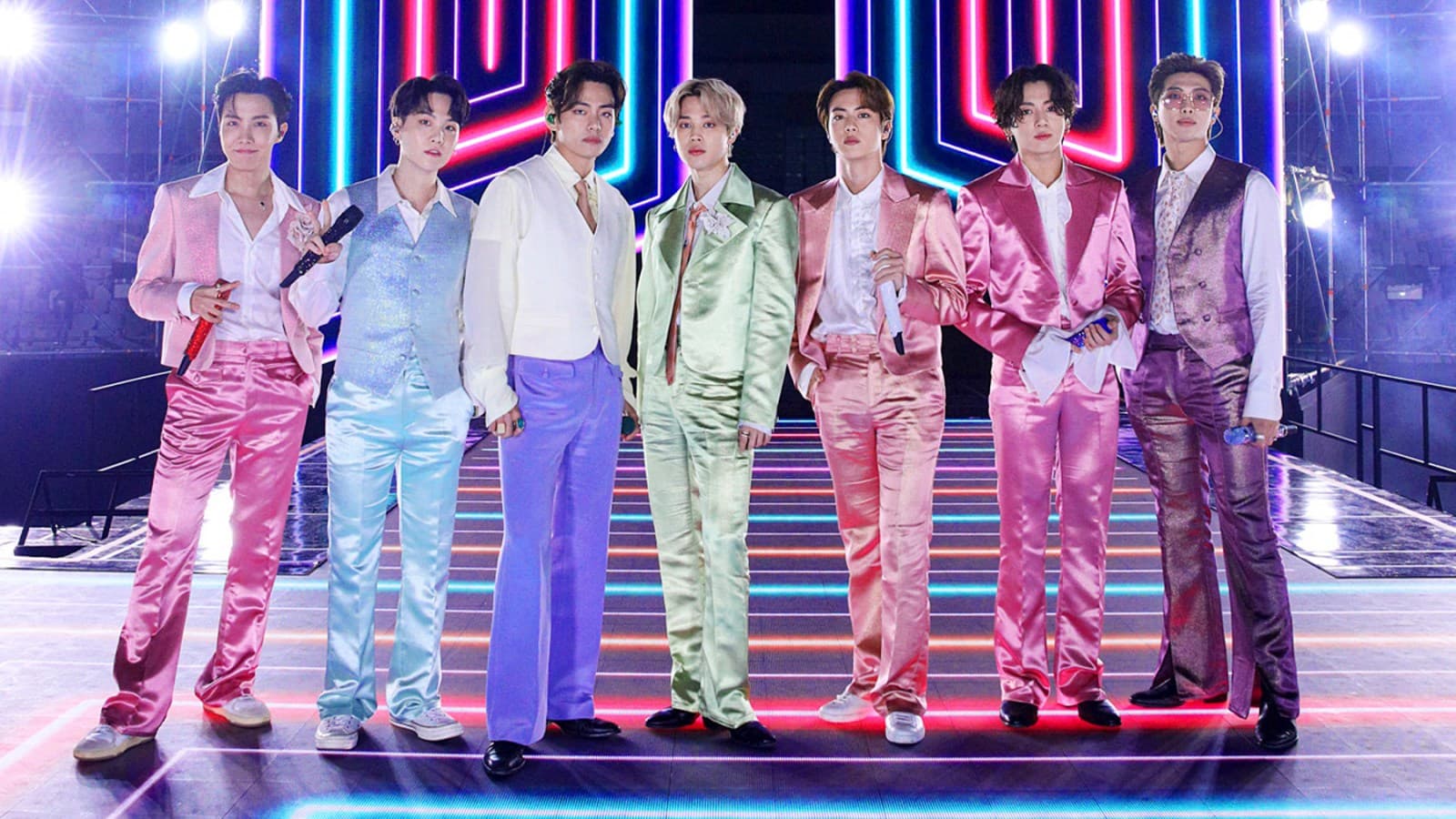
On the evening of March 21, all seven members of BTS stood on a stage in the heart of Seoul and delivered two words that sent shockwaves across the global music industry. RM, the group leader, looked out at tens of thousands of fans who had transformed Gwanghwamun Square into a sea of purple and red, and simply said: We are back. What followed was an hour-long free concert that marked the biggest comeback in K-pop history — and the numbers confirm it.
The group new album Arirang sold 3.98 million copies in its first 24 hours, shattering BTS own record set by Map of the Soul: 7 in 2020. Even more staggering, the album crossed the 1 million mark on the Hanteo Chart in less than ten minutes after its March 20 release — the fastest such milestone in the history of the Korean music industry.
Gwanghwamun Turns Purple: The Concert That Stopped Seoul
More than 20,000 fans had gathered around Gwanghwamun Square by noon — a full eight hours before the concert was scheduled to begin at 8 PM. The Washington Post reported that fans had effectively taken over the city, describing the scene as a purple fortress where restaurants and shops decorated their storefronts in the fandom signature color while coffee shops and cocktail bars emblazoned drinks with the Arirang album logo.
Seoul landmarks were lit red, the signature color of the new album, creating a visual spectacle that extended far beyond the concert venue. The choice of Gwanghwamun Square — located near Gyeongbokgung Palace in the historical heart of Seoul — was deliberate. The square has served as a gathering point for hundreds of thousands during moments of national mourning, protest, and celebration, and BTS used it to stage what many observers called a cultural event rather than merely a concert.
The group opened with Body to Body, the first track from Arirang, setting off what reporters described as delirious screams from fans waving purple-and-red light sticks. All seven members — RM, Jin, Suga, J-Hope, Jimin, V, and Jung Kook — were reunited on stage for the first time in nearly four years, having each completed South Korea mandatory military service.
Chart Domination and Streaming Records
The commercial performance of Arirang has been nothing short of historic. The album fourteen tracks filled the top fourteen spots on Spotify global top fifty chart on its first day, with twelve tracks appearing in the top twenty-six on the U.S. chart. The album accumulated 110 million Spotify streams on day one, making it the most first-day streams for any album released in 2026.
The lead single Swim reached No. 1 on iTunes charts in 90 countries and topped Melon, South Korea largest streaming platform. Presales for Arirang had surpassed 4 million copies within just one week of the album being announced, signaling unprecedented demand. Cumulative sales are projected to reach approximately 6 million copies.
Industry analysts have taken notice. Kim Yu-hyuk of IBK Investment and Securities estimates that BTS comeback would generate at least 2.9 trillion Korean won — roughly 1.93 billion dollars — a figure that could rival Taylor Swift 2 billion dollar Eras Tour in total earnings. Yuanta Securities projects that HYBE, BTS parent company, will post revenue of 3.92 trillion won and operating profit of 493.3 billion won in 2026, representing increases of roughly 48 percent and 899 percent respectively over 2024.
The World Tour: 82 Shows, 2.4 Million Tickets Sold
The Arirang world tour is set to be the biggest in BTS career, covering 34 regions between April 2026 and March 2027. Within just days of tickets going on sale, all North America, Europe, and U.K. stadium dates sold out. Live Nation confirmed that close to 2.4 million tickets had been sold across the initial on-sale periods.
The tour innovative 360-degree stage layout eliminates restricted-view seats, allowing an average of 64,000 fans per show. IM Securities analyst Hwang Ji-won projects ticket sales alone will generate between 1 trillion and 1.5 trillion won, with merchandise adding another 500 billion won.
Some tickets have appeared on resale platforms at extraordinary markups. StubHub listings showed prices reaching 7,276 dollars — nearly 40 times face value — reflecting the intense global demand for the comeback tour.
Economic Impact Beyond Music
The BTS comeback has already created measurable economic ripple effects. Seoul attracted 1.1 million foreign arrivals between March 1 and 18, representing a 32.7 percent increase year over year. The total financial impact is projected to exceed 3 trillion won, encompassing tourism, merchandise, streaming revenue, and brand partnerships.
NPR described the Arirang comeback as a really, really big deal, noting that the album title — referencing the iconic Korean folk song — represents BTS deliberate embrace of their cultural roots at the peak of their global influence. The choice signals that the group is not merely returning to the spotlight but positioning themselves as cultural ambassadors for Korea on the world stage.
What Comes Next
For ARMY — BTS global fandom — the comeback represents the end of a nearly four-year wait that tested their patience and devotion. The fact that fans gathered eight hours early at Gwanghwamun, that albums sold out in minutes, and that stadiums across five continents will host the tour speaks to a bond between artist and audience that has only strengthened during the hiatus. As the Washington Post concluded, BTS has returned not just to reclaim their status as one of the world biggest pop acts, but to demonstrate that the Korean Wave shows no sign of receding.
How do you feel about this article?
저작권자 © KEnterHub 무단전재 및 재배포 금지
Entertainment Journalist · KEnterHub
Entertainment journalist specializing in K-Pop, K-Drama, and Korean celebrity news. Covers artist comebacks, drama premieres, award shows, and fan culture with in-depth reporting and analysis.
Comments
Please log in to comment