A Beginner’s Guide To Korean Pop Culture From Idols To AI
Kang Dae-ho’s new book frames K-entertainment as a screen-based ecosystem where fandom, platforms and technology shape cultural power.
 By Park Chulwon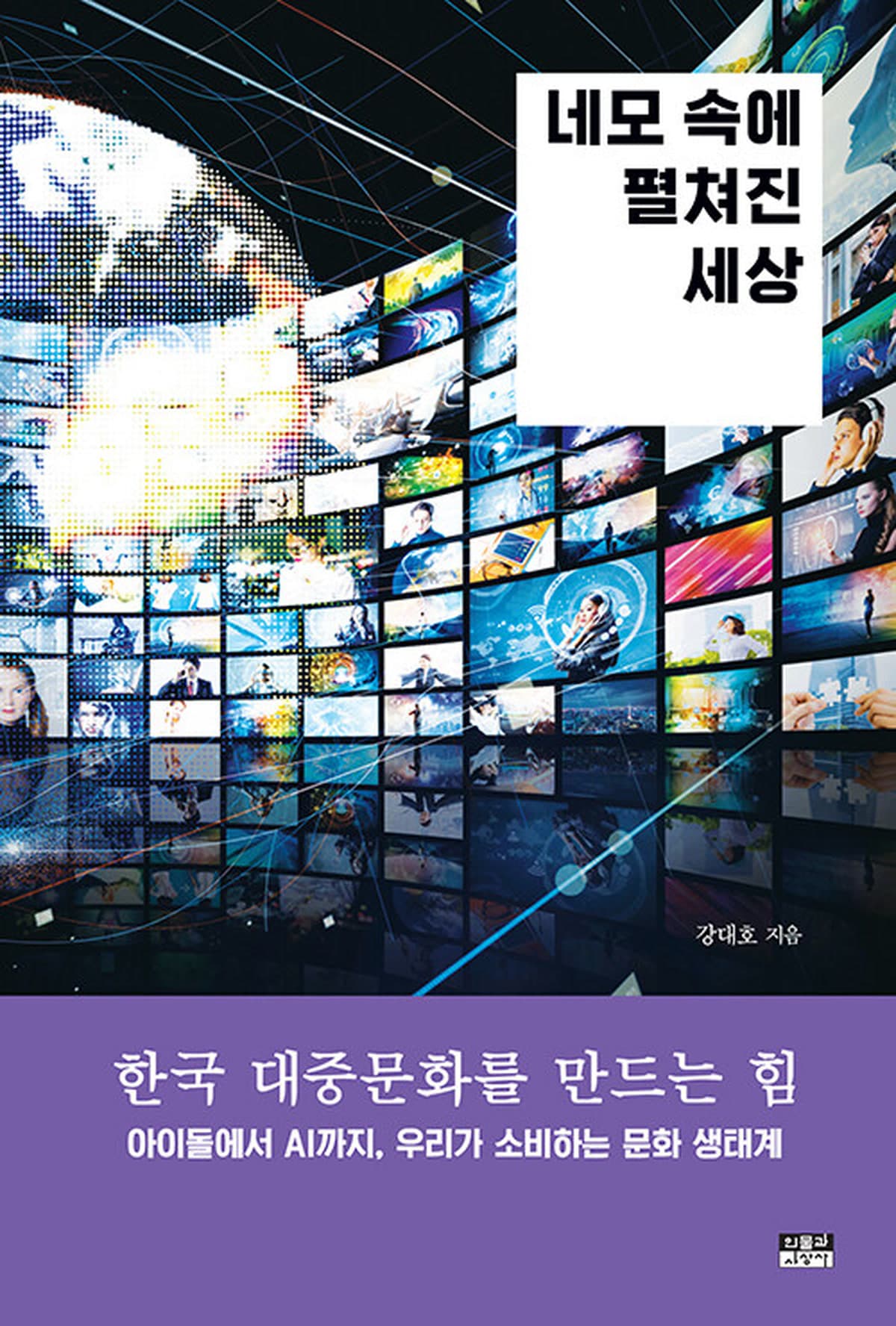
Korean pop culture now needs a reading guide, not just a fan guide. That is the useful opening created by The World Unfolded Inside A Square, a new Korean popular-culture book by critic Kang Dae-ho from Inmul & Sasangsa. The book arrives in June 2026 with a broad question: why do audiences keep returning to the “square” of television, phones, platforms and social feeds when Korean entertainment is already everywhere?
The answer is bigger than celebrity interest. According to the source coverage and bookstore listings, Kang’s book moves from idols to AI, virtual performers, OTT, YouTube, fan politics, SNS culture, agency systems and the changing role of media. In other words, it treats K-entertainment as a culture ecosystem. This guide reads the book’s premise through one angle: Korean popular culture has become powerful because it turns screens into social spaces where identity, desire and participation are constantly rehearsed.
That frame matters because K-culture is no longer a single export story.
From Content To Cultural Infrastructure
For many overseas readers, Korean pop culture is still introduced through finished products: a hit drama, a viral song, a beauty trend, a film prize or a sold-out concert. Those entry points are useful. They are also incomplete. The deeper story is how each product sits inside a system of training, distribution, commentary, fandom labor and platform feedback.
This is where a book like The World Unfolded Inside A Square becomes timely. Its reported scope suggests that idols, agencies, AI, OTT services and social media should not be studied as separate topics. They are connected parts of the same machine. A trainee system produces talent, a platform turns that talent into repeatable content, a fandom organizes attention, and media translates the activity into public meaning.
The “square” in the title is therefore more than a television screen. It can be a smartphone frame, a YouTube player, a streaming thumbnail, a fan-cam crop or a group-chat window. Korean entertainment lives inside all of them. The industry’s strength comes from knowing how to make those small frames feel emotionally large.
But screens alone do not create loyalty. Participation does.
Why Fandom Became A Form Of Power
Korean fandom is often described as intense, but intensity is only the surface. The more important point is organization. Fans stream, translate, archive, trend hashtags, buy albums, fund ads, defend reputations and sometimes challenge agencies. That behavior changes the balance of power. Audiences are no longer waiting at the end of the pipeline; they help shape the pipeline itself.
That is why the book’s attention to “fan politics” and SNS culture is significant. Modern fandom can function like a volunteer publicity office, a consumer watchdog and a cultural community at once. It can make a rookie visible before traditional media catches up. It can also pressure labels when management choices appear careless or unfair. The industry has learned to benefit from that energy, but it cannot fully control it.
For newcomers, this is one of the hardest parts of K-entertainment to understand. A comeback is not only a music release. It is a coordinated social event. A drama finale is not only a broadcast ending. It is a week of clips, theories, actor interviews, edits and arguments. The work continues after the official content stops, because fans keep expanding the meaning.
That participatory layer also explains why platforms have become central.
OTT, YouTube And The New Public Stage
The older Korean Wave depended heavily on broadcasters, music programs, film distributors and overseas licensing deals. Those still matter. Yet today’s audience often meets Korean entertainment through a different order: a short clip first, a full episode later; a fan edit first, an official channel later; a recommendation algorithm before a critic or newspaper review.
OTT platforms changed drama consumption by making Korean series easier to discover outside Korea. YouTube changed music and variety by making behind-the-scenes material, performance videos and informal appearances part of the main experience. SNS then turned reaction into distribution. A memorable moment does not simply travel; it is clipped, captioned, translated and reintroduced to new audiences.
That creates a new kind of public stage. Artists are evaluated not only by polished releases but by how they move across formats. A singer’s live clip, a drama actor’s interview, a dance challenge, a livestream and a fan meeting can all shape the same public identity. The square keeps multiplying.
This is also why AI and virtual idols no longer sit at the edge of the conversation.
Why AI And Virtual Idols Belong In The Same Discussion
Virtual idols once looked like novelty acts. By 2026, they are better understood as a stress test for the whole K-pop model. If a fandom can form around avatars, motion capture, voice performance and carefully managed character identity, then the emotional core of idol culture is not limited to physical presence. It depends on consistency, interaction, narrative and trust.
Recent research and media coverage around Korean virtual idol fandoms, especially PLAVE, show how quickly this field has moved from curiosity to mainstream debate. The question is no longer whether audiences can care about virtual performers. They clearly can. The sharper question is what kind of authenticity fans are recognizing. Is it the avatar, the hidden performer, the songwriting, the live interaction, or the community built around all of it?
That question connects directly to Kang’s broader subject. Korean popular culture has always negotiated between image and labor. Idols appear polished, but fans study practice videos. Dramas create fantasy, but viewers follow production stories. Virtual idols simply make the negotiation more visible. The screen is not hiding reality; it is reorganizing how reality is presented.
That makes the book useful beyond Korea-focused readers.
How Beginners Should Read The Moment
The best way to approach Korean pop culture in 2026 is to stop asking which single format explains it. K-pop alone does not. K-drama alone does not. Variety, webtoons, films, fandom platforms, AI tools and short-form video all matter because they now feed one another. A performer can move from music to acting, a webtoon can become a drama, a drama can create a tourism route, and a fan edit can introduce the whole chain to a new viewer.
The World Unfolded Inside A Square appears valuable because it frames that chain as culture rather than trivia. Its subject is not merely who became famous. It is why certain systems keep producing attention, affection and argument. That distinction matters. Fame fades quickly; systems explain why another wave keeps arriving.
For readers new to K-entertainment, the practical takeaway is simple. Watch the official content, but also watch the spaces around it. Look at how fans organize, how agencies respond, how platforms recommend, how media frames conflict and how technology changes performance. Korean popular culture is not contained inside one screen. It unfolds across many squares at once, and the power is in the movement between them.
How do you feel about this article?
저작권자 © KEnterHub 무단전재 및 재배포 금지
Entertainment Journalist · KEnterHub
Entertainment journalist focused on Korean music, film, and the global K-Wave. Reports on industry trends, celebrity profiles, and the intersection of Korean pop culture and international audiences.
Comments
Please log in to comment