A Guide To Jeonju World Sori Festival And The Meaning Of Pan
The 25th Jeonju World Sori Festival puts pansori, sanjo, sinawi, gut and nongak back into a shared live setting.
 By Noh Yechan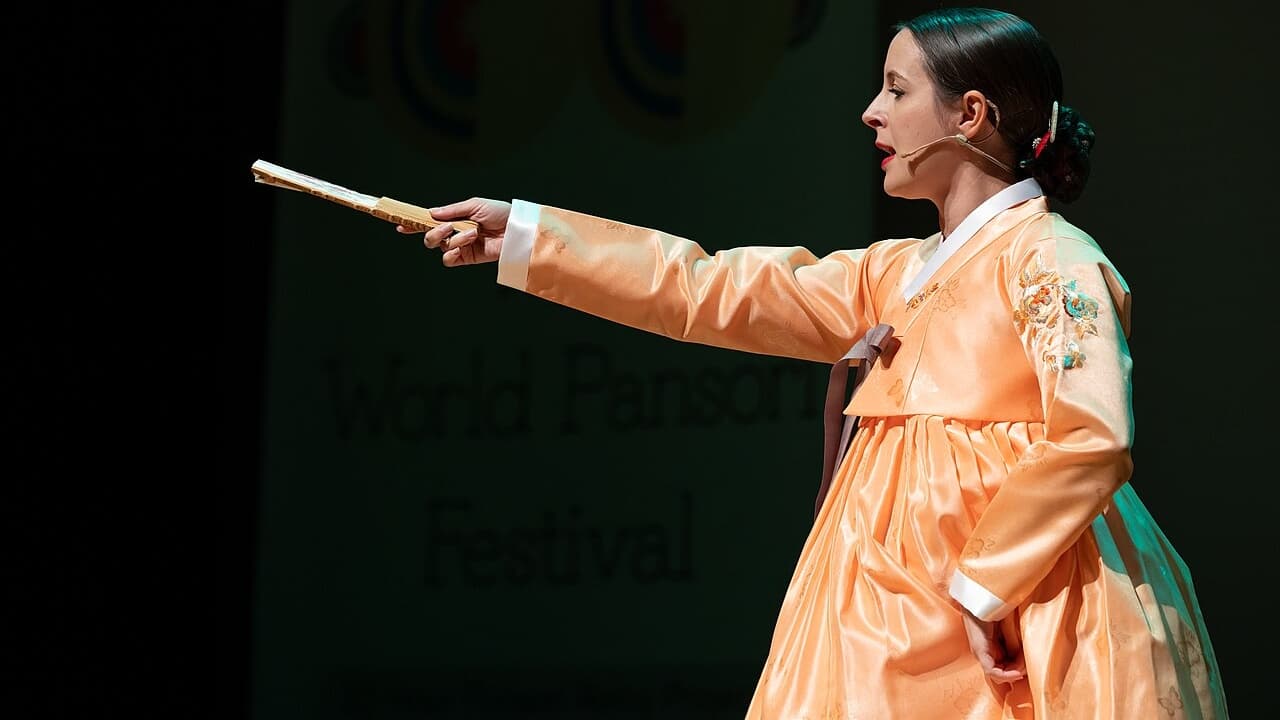
The 2026 Jeonju World Sori Festival is bringing Korea's oldest performance instincts back to the center of the stage. The festival will run from August 12 to 16 at Sori Arts Center of Jeollabuk-do and other venues across the Jeonbuk region, marking its 25th edition under the theme "Breath of Sori, Gathered Into Pan." For international K-culture fans, the event is more than a regional arts calendar item. It is a guide to how Korean traditional music can still feel immediate, communal, and alive.
This article examines why the festival's return to pan - the shared performance ground where artists and audiences respond to one another - matters for Korean music culture in 2026. The festival is not simply preserving pansori, sanjo, sinawi, gut, and nongak as museum pieces. It is reframing them as participatory forms that can speak to travelers, younger listeners, and global audiences who may know K-pop and K-drama but have not yet met the roots of Korean performance.
To understand the festival, start with the word at the heart of it.
What "Pan" Means In This Festival
In Korean performance culture, pan is not just a stage. It is the field of exchange between the performer, the drummer, the musicians, and the people watching. In pansori, that relationship can be heard in the singer's narrative voice, the drummer's rhythmic responses, and the audience's verbal encouragement. The energy moves both ways.
That is why this year's Jeonju World Sori Festival is notable. Korean reports say organizers are moving away from one-directional spectacle and toward a structure that restores the feeling of a live communal gathering. The opening and closing moments will not be treated as detached ceremonial set pieces. Instead, they are being reshaped as symbolic stages that connect pansori, sanjo, sinawi, gut, and nongak into one broader statement about sound, movement, and shared presence.
The shift is practical as well as philosophical. A festival dedicated to traditional sound can easily become intimidating for first-time visitors if it feels too formal. By emphasizing pan, Jeonju is making the invitation clearer: you do not need to arrive as an expert. You arrive as a listener, and the performance teaches you how to listen.
That invitation becomes especially important in Jeonju.
Why Jeonju Is The Right Setting
Jeonju has long carried strong associations with Korean heritage, from hanok streets and food culture to Jeolla's deep musical traditions. The World Sori Festival uses that identity without reducing the city to a postcard. It places sound at the center of the visitor experience, asking audiences to hear tradition as a living practice rather than as background atmosphere.
The 2026 edition arrives after a period of organizational reset, with a new leadership structure guiding the festival. That context gives the program an added layer of meaning. Reports from the planning announcement describe a decision to simplify the old opening and closing format and focus more clearly on what the festival organization exists to do: curate a field where different strands of Korean sound can meet.
The result is a program that feels less like a list of heritage assets and more like a map. Pansori provides narrative force. Sanjo offers instrumental depth. Sinawi brings improvisational tension. Gut and nongak connect music to ritual, labor, village movement, and collective release. Together, they give visitors a fuller sense of Korean traditional performance than any one showcase could provide.
But the festival's real test is whether those forms can reach beyond specialists.
The Programs To Watch
The clearest entry point is Pansori Five Batang, the festival's representative program. Instead of presenting pansori as a distant classic, this year's version is expected to bring it closer to a pannoreum format, where traditional theatrical play and the singer's storytelling power meet. For newcomers, that matters. Pansori is long, demanding, and vocally intense, but its emotional grammar becomes easier to follow when the performance environment feels open.
The companion program, Young Pansori Five Batang, may be even more important for the festival's future. Organizers have appointed five next-generation pansori singers as ambassadors for the 2026 edition, and their role points to a larger strategy. Tradition survives when younger artists are allowed to carry it publicly, not only after decades of mastery but while they are still forming their own stage identities.
Sanjo and sinawi add a different kind of intensity. Sanjo is often described through the solo instrument's gradual acceleration and emotional development, while sinawi is rooted in improvisational ensemble playing. Placed inside the same festival frame, they show that Korean traditional music is not one sound. It is a set of languages, some narrative, some instrumental, some ritual, and some built around spontaneous dialogue.
Then come the communal forms: gut and nongak. Reports mention programs connected to Gangneung Dano gut, women's nongak, and pungjang-gut traditions. These are not merely colorful additions. They remind audiences that Korean sound culture has always been tied to village life, seasonal cycles, labor, healing, and public gathering.
That breadth is the festival's strongest argument.
Why It Matters For Global K-Culture Fans
Many international fans encounter Korean culture through highly produced contemporary forms: idol choreography, drama soundtracks, film scores, variety shows, and fashion-driven performance. The Jeonju World Sori Festival offers a different route into the same cultural ecosystem. It shows the pre-pop logic of Korean performance: call and response, rhythmic build, emotional storytelling, and the power of a live crowd.
That connection should not be forced. Pansori is not "old K-pop," and nongak is not a festival version of idol dance. They come from different histories and social functions. Still, modern Korean entertainment did not appear from nowhere. Its confidence in staged emotion, vocal intensity, ensemble timing, and audience participation has deeper cultural echoes. Jeonju gives visitors a place to hear those echoes directly.
This is why the festival's guide value is high. A traveler who attends only one polished concert may leave with an impressive memory. A traveler who hears pansori breath, watches a drummer answer a singer, and feels a crowd join the rhythm leaves with context. Context changes how the rest of K-culture is understood.
It also changes regional tourism. Seoul remains the default destination for many international fans, but festivals like Jeonju World Sori can distribute cultural attention beyond the capital. That matters for Korea's broader tourism strategy and for audiences who want a deeper itinerary than cafes, shopping districts, and filming locations.
For first-time visitors, the best approach is simple.
How To Read The Festival
Do not treat the 2026 Jeonju World Sori Festival as a checklist. Treat it as a sequence of listening experiences. Begin with pansori if you want story. Choose sanjo or sinawi if you want to hear instrumental emotion unfold. Look for gut and nongak programs if you want to understand how music becomes ritual and public movement.
The dates also make the festival manageable. Five days is long enough to build a journey but short enough for travelers to plan around a compact cultural trip. Because the main venues include Sori Arts Center of Jeollabuk-do and other Jeonbuk locations, visitors should check transport and ticket details early rather than assuming every program sits in one walkable area.
A good itinerary should also leave room for contrast. One day can be built around a formal pansori program, where the smallest vocal turn or drum response can change the emotional temperature of the room. Another can be reserved for a more open communal performance, where movement, percussion, and crowd energy make the idea of pan easier to feel than to define. That contrast is useful because it prevents tradition from being reduced to a single image of solemnity.
For readers outside Korea, this is also a reminder to approach the festival without flattening every form into one word: "traditional." Pansori, sanjo, sinawi, gut, and nongak each carry different histories, training systems, performance rules, and social meanings. The festival's value is that it places them near one another without pretending they are identical. That is why the 2026 theme works. "Breath of Sori, Gathered Into Pan" suggests gathering, not blending everything into a generic heritage package.
The strongest future for a festival like this may be educational without feeling like school. If English-language materials, clear program notes, and beginner-friendly introductions are handled well, Jeonju can become a gateway for global fans who want to move from consuming Korean culture to understanding it. That is a bigger opportunity than one summer event. It positions regional Korean festivals as places where global audiences can learn cultural context in person.
That kind of learning travels well. A visitor who understands pan will hear Korean concerts, drama scores, and variety-show performances with sharper ears afterward.
The larger point is that Jeonju is not asking audiences to look backward. It is asking them to enter a living pan. If the festival succeeds, the 25th edition will do more than celebrate Korean traditional sound. It will show how that sound can still gather people, teach attention, and make heritage feel present tense.
How do you feel about this article?
저작권자 © KEnterHub 무단전재 및 재배포 금지
Film & Global Culture Reporter · KEnterHub
Film and culture reporter following Korean cinema from Chungmuro to Cannes. Noh Yechan covers theatrical releases, festival circuits and award season, and writes about how Korean entertainment reshapes global pop culture.
Comments
Please log in to comment