After School's Gahee Finally Revealed What Actually Happened Inside the Idol Dorm
Lee Ju-yeon and Gahee reunite on MBC variety show to share secrets from their group days
 By Jang Hojin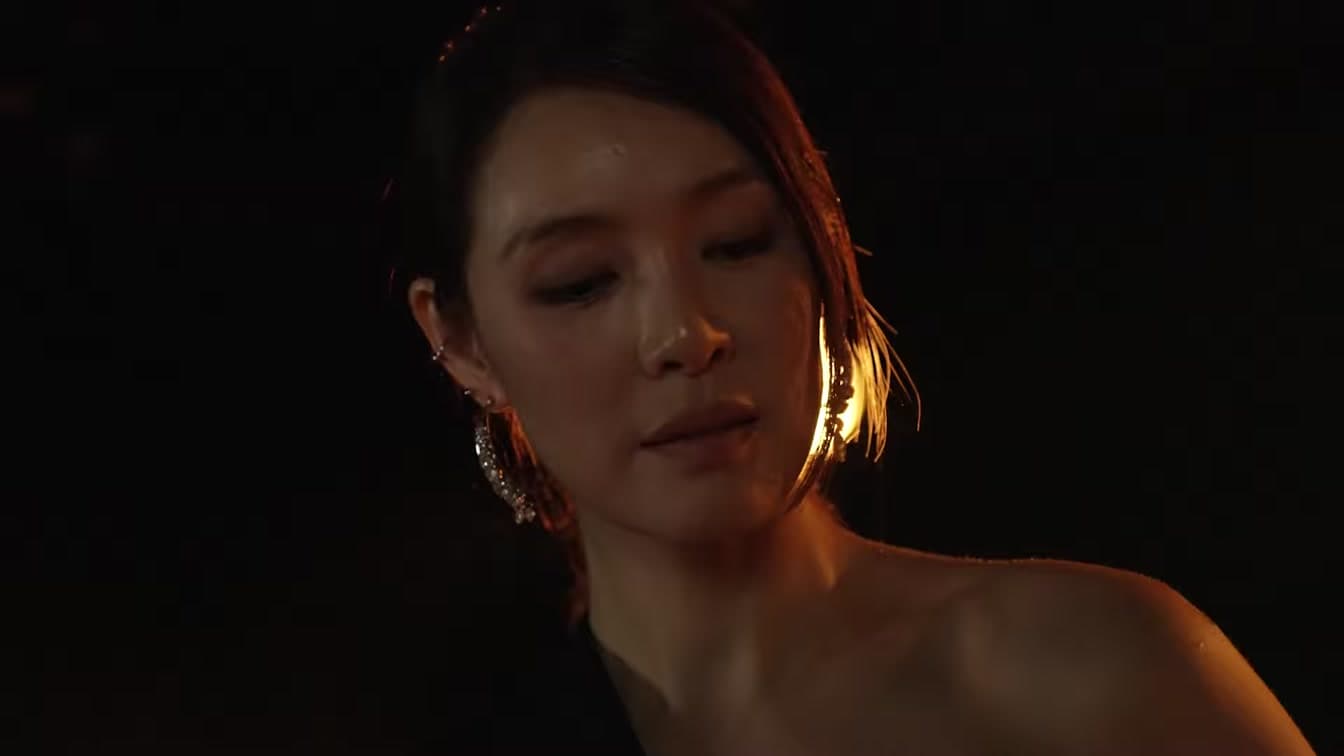
More than a decade after After School disbanded, former leader Gahee sat down with actress Lee Ju-yeon on MBC's All the Butlers — and what she said about life inside their dormitory left the studio audience stunned.
The reunion episode, airing April 18, brought together two members of the second-generation K-pop girl group After School, which debuted under Pledis Entertainment in 2009 and was known for its performance-forward concept that included pole dancing, drumline routines, and tap dance numbers. The group was active until the mid-2010s, with several members transitioning into acting careers. Lee Ju-yeon became a notable screen actress; Gahee, who served as the group's leader, has remained a recognizable public figure and television personality.
The conversation began relatively lightly — with Lee Ju-yeon's current approach to managing her social media presence — before turning sharply toward the past.
The SNS Strategy That No One Talks About
Lee Ju-yeon opened by admitting something that surprised even her co-panelists on the show. On days when her hair and makeup are professionally done, she films an entire day's worth of content in her car — changing outfits repeatedly — and then spreads those photos across multiple future upload slots to make it appear as though they were taken on different days. She does this with a full lighting rig and tripod, with her manager handling the technical setup.
When the other guests expressed shock at the production behind a single social media post, Lee Ju-yeon responded without embarrassment: this is standard practice among celebrities, and most people in her position operate the same way. The exchange prompted a round of laughter, but her point was genuinely revealing — the effortless-looking content that fans see on idol and celebrity Instagram accounts is, in many cases, the result of careful batching and deliberate curation.
Gahee's Dormitory Confession
The conversation took a more dramatic turn when the topic shifted to After School's active years. Lee Ju-yeon shared that before debuting, a label executive approached her multiple times with an offer to join the group as a visual member — but she turned the opportunity down three or four times across several months. Her hesitation came from a lack of confidence in her singing and dancing abilities, and she spent that period essentially avoiding the company.
She eventually accepted, joined After School, and went on to perform some of the group's most technically demanding numbers: the drumline routine from their Shampoo era, the pole dance choreography from their Bang performance, and tap dance sequences that required months of dedicated training. What she initially believed she couldn't do, she ultimately did in front of sold-out audiences.
But the segment that drew the most reaction came from Gahee. As After School's leader during their peak years, she was responsible not just for guiding the group's performances but for monitoring the members' personal conduct — including their romantic lives. Label rules during that era strictly limited idol dating, and supervision of dormitory life was part of how those rules were enforced.
Gahee recalled spending considerable energy trying to manage those situations. The members, she said, were creative in working around the constraints. One anecdote she shared made the studio go quiet: even when phones were confiscated and a female manager was present in the dormitory overnight, at least one member found a way to slip out undetected to pursue a relationship. How exactly that was accomplished, she left to the audience's imagination — but her delivery left little doubt that the escape was successful.
Lee Ju-yeon, for her part, added that at least one male idol from another group had developed feelings for her during that period — a detail that set off a round of audience reaction before she moved on without elaborating.
The Idol Life That Fans Rarely Hear About
These kinds of disclosures have become a staple of Korean variety television, where the format of shows like All the Butlers creates the conditions for celebrities to discuss their past candidly. Former idols in particular — especially those who have since established themselves as actors or television personalities — tend to speak more openly about their training and debut years once they are no longer bound by label contracts or active promotional cycles.
After School occupied a specific and influential place in second-generation K-pop. The group's debut in 2009 came at a moment when the idol industry was still establishing its visual language, and their decision to lean into performance-heavy concepts — using props, marching band formations, and athletic choreography — helped push the boundaries of what girl group performances could look like. Several of those formats were subsequently adopted more broadly across the industry.
For many viewers of the April 18 episode, the appeal of the conversation was less about scandal and more about nostalgia: a window into an era of K-pop that now feels distant, told by two people who were actually there. Both Lee Ju-yeon and Gahee spoke about their group years with a combination of pride and bemusement — the high demands, the rule-bending, and the friendships that formed around the shared pressure of it all.
The full episode of All the Butlers (Korean title: Jeonjeokchaegyeon Sijeum) aired on MBC at 11:10 PM KST on April 18.
How do you feel about this article?
저작권자 © KEnterHub 무단전재 및 재배포 금지
Entertainment Journalist · KEnterHub
Entertainment journalist specializing in K-Pop, K-Drama, and Korean celebrity news. Covers artist comebacks, drama premieres, award shows, and fan culture with in-depth reporting and analysis.
Comments
Please log in to comment