AHOF Reveals First Tour Jacket Behind
The Record EP.68 shows poster shooting, styling changes, and RUN TO YOU era preparation.
 By Jang Hojin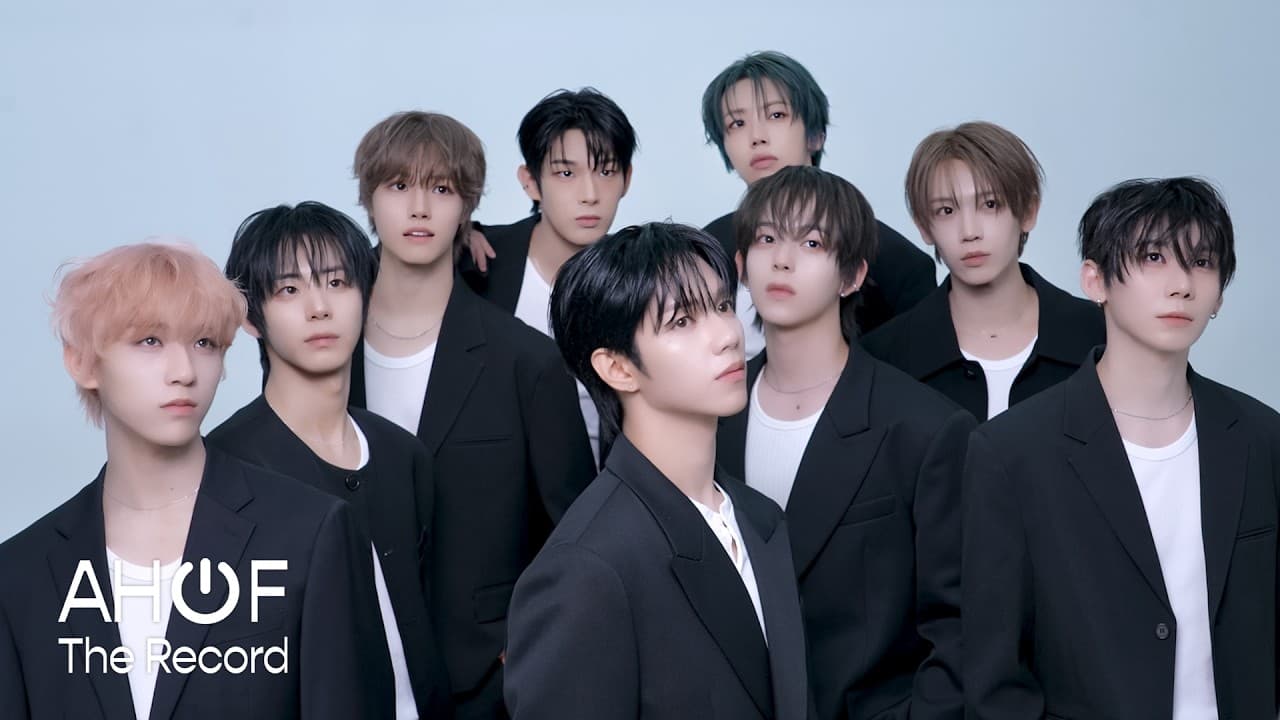
AHOF has opened another behind-the-scenes window into its first tour era, using episode 68 of "AHOF The Record" to show how the group shaped the visual language around "THE FIRST SPARK" and "RUN TO YOU." Uploaded through AHOF's official YouTube channel, the video follows members through poster and jacket-related shooting, with the Korean captions capturing the kind of small comments that usually disappear behind final images. The members discuss makeup choices, hair color changes, poses, group styling, and the satisfaction of seeing the results on set. For a young group building a long-term identity, this type of footage matters because it turns promotional photos into a process that fans can emotionally follow.
The episode is not a formal announcement video. It works more like a production diary. Members are shown reacting to their own styling, wondering how the photos will come out, and explaining why certain looks feel meaningful. One member notes that he likes a slightly pale or delicate makeup effect, while another reflects on finishing a poster shoot and feeling pleased with how the concept brought out different sides of him. The comments are casual, but they help translate a polished shoot into fan-facing character detail. AHOF's official channel is using the series to give viewers more than the final image; it is giving them the uncertainty, excitement, and humor that sit behind the image.
A jacket shoot becomes part of AHOF's tour storytelling
The title connects the episode to "AHOF 1ST TOUR: THE FIRST SPARK" and "[RUN TO YOU] Jacket Behind #1," which gives the video two promotional functions. It supports the tour branding while also documenting the visual work tied to "RUN TO YOU." That dual purpose is useful for AHOF because the group is still in a stage where each official asset helps define its public memory. A tour title like "THE FIRST SPARK" suggests beginning, momentum, and a first major step outward. A jacket behind video can make that theme feel tangible by showing how the members prepared the images that fans will associate with the era.
The captions repeatedly point to satisfaction with the shoot. Members talk about liking the results, wanting fans to look forward to the group shots, and noticing that the styling suited each member. One segment highlights a cleaner outfit direction, with the members comparing the coordinated look to a film-poster mood. Another focuses on the shift from a previously refreshing image toward a cooler or more mature styling. Those observations are useful because they give fans a vocabulary for the concept change. Instead of simply seeing new photos, viewers hear the members describe why the look feels different.
Hair and makeup also become major narrative details. One member explains that the shoot marks the first time filming after changing his hairstyle, while another comments on a new color and the desire to show both cute and more mature sides. The captions suggest that hair color had been kept under wraps before the reveal, which makes the shoot feel like a controlled unveiling. For idol fandoms, these details matter. A hair color change is not just styling; it can mark an era, signal a concept, and become part of how fans identify performances in a timeline.
The members' small comments add personality to the polished concept
Because the source is transcript-based, the value lies in how the members talk rather than in a single headline fact. Several comments show the group moving between confidence and playfulness. A member jokes about wanting a certain pose, another notices that a camera is already filming, and another talks about becoming interested in monkeys as a current favorite animal while clarifying that previous animal associations have not disappeared. These moments are not central to the tour schedule, but they are exactly the kind of personality fragments that fans remember. They make the group feel less like a set of finished images and more like people reacting in real time to a demanding shoot.
The episode also captures the members measuring themselves against growth. One comment compares a styling shift to moving from middle school into high school, and another mentions finally being able to show a more mature feeling. The language is light, but the theme is clear. AHOF is using this visual era to show development. For a group whose profile identifies it as a nine-member multinational boy group formed through "Universe League," growth is part of the appeal. Fans who followed the audition background and early debut period are likely to read a behind-the-scenes shoot as evidence of how quickly the team is adapting to professional idol work.
The transcript also points to group unity. Members mention looking forward to shooting together and note that coordinated outfits create a strong point. In group-based K-pop, behind-the-scenes videos often work because they show how individual styling choices become a collective visual. Each member may have a hair color, pose, or expression to highlight, but the final poster has to read as one team. AHOF's comments about group shots and matching outfits suggest that the members are aware of that balance.
Why official behind-the-scenes content matters for a rookie-era group
For AHOF, "AHOF The Record" functions as more than bonus content. It is an archive. The group debuted in 2025 and is still accumulating the moments that will later define its early history. A first tour, a jacket shoot, a hair reveal, and a new styling direction can all become reference points for fans. By placing the footage on the official channel, AHOF keeps that archive organized and accessible. Fans do not have to rely only on screenshots or reposted clips; they can return to the source episode when discussing the era.
The video also strengthens the relationship between visual promotion and fan trust. Final concept photos are designed to look effortless, but behind footage shows the work, fatigue, and small decisions involved. One member comments on feeling sleepy after a long day, while others express relief and satisfaction after finishing the poster shoot. Those details can deepen fan attachment because they show the labor behind the polished result. The members are not only presenting an image; they are participating in the making of it.
As AHOF moves through its first tour and "RUN TO YOU" activities, this kind of content can help maintain attention between major performance drops. A behind-the-scenes episode may not create the same immediate spike as a music video, but it builds continuity. It tells fans that the era has layers: performances, photos, styling changes, group interactions, and candid reactions. Episode 68 does that work by turning a shoot day into a story about growth, teamwork, and anticipation. For AHOF, the spark is not only on stage; it is also in the preparation that fans now get to see.
How do you feel about this article?
저작권자 © KEnterHub 무단전재 및 재배포 금지
Entertainment Journalist · KEnterHub
Entertainment journalist specializing in K-Pop, K-Drama, and Korean celebrity news. Covers artist comebacks, drama premieres, award shows, and fan culture with in-depth reporting and analysis.
Comments
Please log in to comment