AHOF Shows How RUN TO YOU Was Made
 By Ricky Joo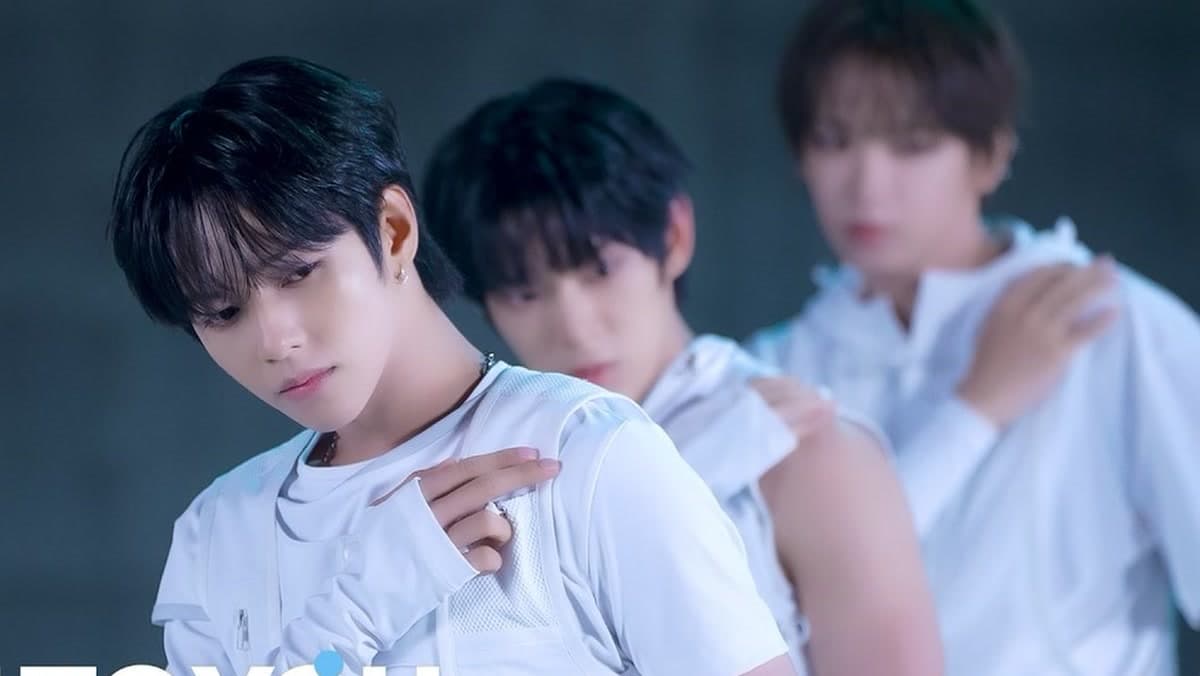
AHOF is giving fans a longer look at the making of "RUN TO YOU" with the official "MV Behind #2" video on the group's YouTube channel. The 37-minute behind-the-scenes release follows the members through another day of filming, turning the music video set into a detailed portrait of teamwork, small nerves, and the kind of playful chemistry that fans rarely see in the final cut.
Unlike a teaser built only to sell a concept, the behind video works because it slows the process down. The captions identify the footage as the third day of "RUN TO YOU" filming, and the members move through individual image cuts, outdoor setups, monitoring sessions, running scenes, and a trampoline sequence. The result is a useful companion piece for viewers who want to understand how the polished music video was assembled.
The source is especially valuable because it comes from AHOF's own channel. That makes the video part of the group's official storytelling rather than a fan-made edit or unrelated compilation. It also means the article can focus on the members' working process without relying on speculation. The video shows young performers taking direction, reviewing footage, joking between takes, and repeatedly trying to make small moments look natural on camera.
Members turn filming pressure into momentum
Several early moments center on the pressure of individual filming. JL jokes that he can hardly keep his eyes open in the bright conditions, but he also says he wants to do better and appears encouraged by praise on set. Steven monitors his cut and receives direction to make an action movement feel more like choreography, a small note that reveals how MV acting often sits between performance and character work.
Juwon is shown reflecting on wanting to improve from a previous music video shoot. That kind of comment gives the behind video more substance than a simple highlight reel. It shows that the members are not only enjoying the set; they are measuring themselves against earlier work and trying to sharpen their camera presence. For a group building recognition, that visible self-awareness can deepen fan investment.
The footage also captures the practical awkwardness of filming. Members talk about finding flattering angles, balancing freestyle movement so it does not feel too exaggerated, and repeating actions until the camera gets the right result. These are ordinary production details, but they help explain why MV shoots can be physically and mentally demanding even when the finished video looks effortless.
There is humor throughout, including moments when members accidentally sing or perform parts that belong to someone else, then laugh about the confusion. Those small mistakes are useful in a behind-the-scenes format because they make the group feel less manufactured. Fans get to see the correction, the embarrassment, and the recovery, which can be more memorable than a perfect take.
RUN TO YOU's lyrics become part of the story
The behind video is not only about movement. It also gives space to the members' relationship with the song itself. During an outdoor rooftop-style sequence, Zhang Shuaibo and Woongki discuss favorite lyrics, with "Run to you" naturally coming up because it is the title phrase. Another line, about reaching tomorrow's version of someone, is singled out for its emotional pull.
Those lyric comments matter because they connect the visual production to the song's message. "RUN TO YOU" is built around forward motion, and the behind video repeatedly returns to images of movement: running, jumping, catching, and moving through outdoor locations. When the members talk about lines that feel meaningful, the choreography and filming choices start to feel less decorative and more tied to the track's emotional direction.
The outdoor shoot also adds a fresh, youthful texture. Members joke about being weather charms because rain cleared when they arrived, and the natural light becomes part of the visual mood. Instead of presenting the set as a controlled studio world, the video shows AHOF dealing with sunlight, possible rain, open spaces, and the timing demands that come with location filming.
That openness suits the song. A title like "RUN TO YOU" needs motion and air, and the behind footage suggests that the MV leaned into those elements. The members' comments about backgrounds, close shots, and full-body framing show that they are thinking about how each scene will read to viewers. Even casual exchanges become a window into performance literacy.
Why official behind videos help new groups
For newer K-pop teams, behind-the-scenes content can be almost as important as the main music video. The official MV introduces the song and concept, but the behind video teaches audiences how to read the members. It shows who jokes under pressure, who monitors carefully, who talks about lyrics, who gets nervous before a take, and who lifts the mood when filming gets repetitive.
AHOF's "RUN TO YOU" behind video does that work steadily. It gives screen time to multiple members without forcing a scripted introduction, and it lets personality emerge through production moments. Fans who already know the group can pick up details; casual viewers can attach names and habits to faces. That is a practical advantage in an idol market where recognition often grows through repeated informal clips.
The video also reinforces the group's work ethic. The members repeat takes, respond to direction, laugh through small errors, and keep filming through bright outdoor conditions. None of this is unusual in K-pop production, but showing it clearly helps fans understand the labor behind a three- or four-minute music video. It also makes the final "RUN TO YOU" performance easier to appreciate.
There is a promotional benefit as well. Long-form behind videos extend the life of a release after the main MV's first wave of views. They give fans new moments to clip, translate, quote, and discuss, which keeps the title moving across social platforms. For AHOF, the second behind video gives "RUN TO YOU" another official asset that can keep the era visible.
A polished MV starts with imperfect takes
The strongest part of "MV Behind #2" is its willingness to show the imperfect route to a polished result. A hoodie catch takes practice. A trampoline jump needs safety and timing. A running shot requires energy even when the members have already filmed multiple setups. A facial expression that sounds simple in direction can still be hard to find when the camera is close.
Those moments make the behind video useful as more than fan service. They show the craft of idol performance at a human scale. AHOF is not just posing for a camera; the members are learning how to convert direction, lyrics, weather, and group energy into scenes that will survive editing. That is the difference between a music video as a product and a music video as a process.
As "RUN TO YOU" continues to circulate, this official behind video gives fans a reason to revisit the track with more context. The next time viewers see the outdoor shots, action-like movements, or bright running sequences, they will know more about the choices and attempts behind them. For AHOF, that context is valuable. It turns a release into a shared memory, and it gives the group's growing audience another reason to run with them into the next stage.
How do you feel about this article?
저작권자 © KEnterHub 무단전재 및 재배포 금지
New Music & Comebacks Reporter · KEnterHub
New-music reporter covering K-pop comebacks as they drop. Ricky Joo tracks official channel premieres, music video releases and debut showcases, breaking down what each comeback signals about an artist's next chapter — often within hours of release.
Comments
Please log in to comment