Apink Wins M Countdown at 15 Years: How K-Pop's Most Durable Group Keeps Competing
 By Park Chulwon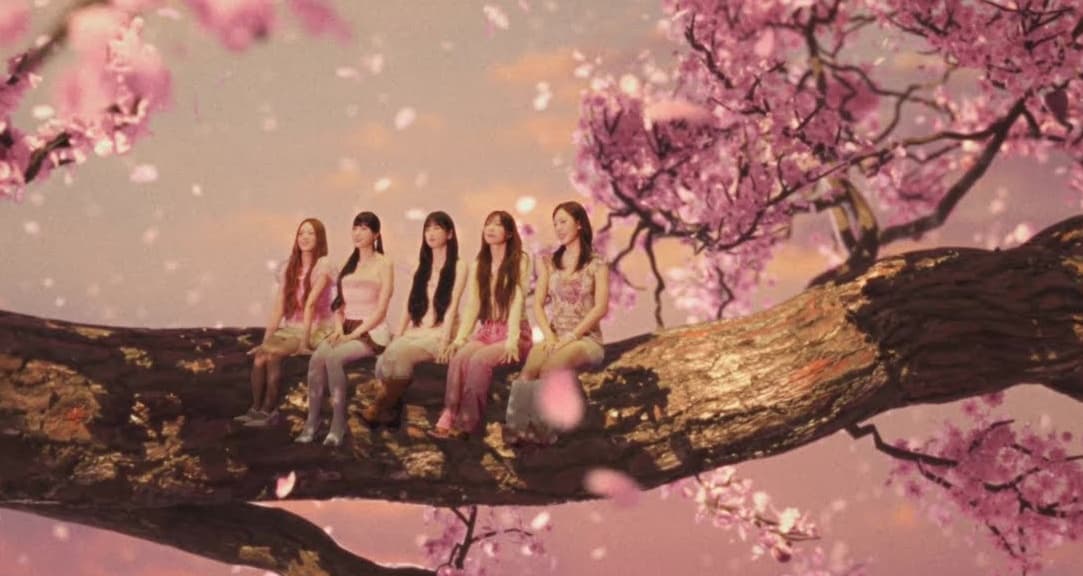
Apink took their first music show win for "Love Me More" on January 24's M Countdown. The victory completed a three-week promotional run for their eleventh mini album RE:LOVE — and confirmed that fifteen years of consistent activity is not just an anomaly in K-pop, but a competitive position that younger acts cannot replicate.
The win came alongside performances from SEVENTEEN's DxS unit and ALPHA DRIVE ONE — acts representing both the second-generation industry veterans and the newest debuting generation. Apink, sitting across from both in the same promotional cycle, represented something neither peer could: a complete generational arc, maintained from 2011 through 2026 without dissolution or major hiatus.
Fifteen Years in a Market That Doesn't Reward Longevity
K-pop's commercial structure is not designed to sustain groups across fifteen years. The standard third-generation group contract runs two to three years. Competition-show groups are designed for 2.5-year terms. Even legacy acts that have maintained relevance — Girls' Generation, Super Junior, SHINee — have done so primarily through sub-unit activity, solo careers, and reunion projects rather than consistent full-group promotion. Apink's trajectory is distinct: five members (down from the original six following a 2023 departure), one agency across most of their career, and a consistent promotional identity that has evolved without abandoning the warmth-forward sound that defined their debut era.
RE:LOVE as a title reflects the anniversary framing directly. The album opens with "Fizzy Soda," which uses hip-hop sampling to evoke an early-2010s K-pop nostalgia register before landing on "Love Me More," the title track. The album's five songs move across warm ballad, retro-flavored pop, and midtempo narrative — a range that functions both as a creative statement and as a deliberate demonstration of staying power. This is not a group running a greatest-hits cycle; it is a group releasing new material that competes on its own terms.
Love Me More: The Sound of a Group That Knows What It Is
"Love Me More" as a title track is warm, melodic, and anchored in the emotional directness that has defined Apink across multiple production eras. The song does not chase the fourth-generation trends that dominate the January 2026 release calendar — it does not have the high-concept performance layer of ENHYPEN's THE SIN : VANISH or the genre experimentation of XG's HYPNOTIZE. What it has instead is clarity of identity. The production is confident in its warmth, and the five members' vocal blend — refined over fifteen years — delivers the emotional register the song asks for without strain.
The M Countdown win on January 24 confirmed that this identity still resonates competitively. Music show wins are a contested metric in K-pop — they factor in digital streaming, physical sales, broadcast score, and fan voting in ratios that vary by program — but a first-place finish for RE:LOVE against the January release field represents a meaningful data point. It is not merely a nostalgia win. Younger fans encountering Apink for the first time through the promotional cycle contributed to the result alongside the established Panda fandom.
The Eighth Solo Concert and the Longevity Economy
RE:LOVE's promotional cycle was designed to build toward Apink's eighth solo concert "The Origin: APINK," scheduled for February 21-22 at Jangchung Arena in Seoul. The venue choice — mid-size, intimate for a group of this standing — reflects a different logic than the stadium-scale ambitions of the current promotional cycle. Jangchung Arena seats approximately 5,000; it is an arena that fits precisely when a group's core fandom is deep and committed rather than wide and casual.
The iTunes chart performance of RE:LOVE — top albums in nineteen regions, with number one positions in Argentina, Hong Kong, Macau, Taiwan, and Thailand — adds a global dimension to the domestic win narrative. These are not markets where Apink has an obvious head-start from current algorithmic amplification. They reflect accumulated presence: years of fan activity in markets where the group toured, released limited editions, and maintained social media engagement even during periods without major domestic comeback cycles.
This is the longevity economy in practice: not competing for the scale of a BTS or BLACKPINK, but sustaining a dedicated fanbase that will fill 5,000 seats across two nights in February, buy a physical album that charts in nineteen countries, and vote their group to a music show win at the fifteen-year mark. The economics are different from those of a debut-cycle group, but they are real and sustainable in ways that many debut-cycle trajectories are not. Apink's model offers a template for K-pop longevity managed with consistency and care for fanbase depth over breadth. It also points to a gap in how the industry tends to measure success: chart peaks and first-week sales numbers capture a moment, but what Apink demonstrates is the value of the cumulative — fifteen years of shows, releases, and maintained trust with a fandom that has grown up alongside them.
How do you feel about this article?
저작권자 © KEnterHub 무단전재 및 재배포 금지
Entertainment Journalist · KEnterHub
Entertainment journalist focused on Korean music, film, and the global K-Wave. Reports on industry trends, celebrity profiles, and the intersection of Korean pop culture and international audiences.
Comments
Please log in to comment