Better Late Than Single 2 Shows Korean Reality’s Global Path
Netflix’s No. 8 global non-English debut shows how a modest dating format can travel through vulnerability, not spectacle.
 By Ricky Joo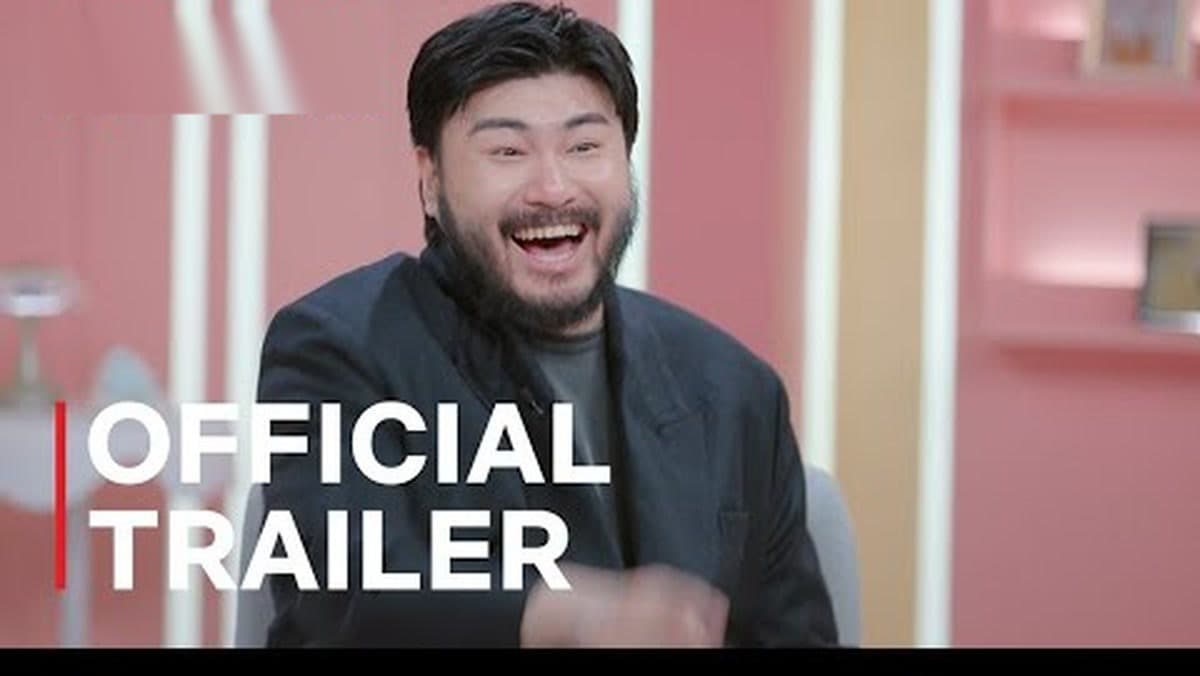
Netflix's "Better Late Than Single" Season 2 entered the global non-English Top 10 at No. 8 in its first measured week, giving Korean dating reality another exportable success story. The result matters because the show is not built around celebrities, luxury spectacle or competition mechanics; it sells awkwardness, coaching and emotional first steps as a format.
This article analyzes why the Season 2 opening suggests a shift in the global market for Korean unscripted TV. The key point is not merely that a dating show charted. It is that a gentle, socially specific format found enough international curiosity to compete on Netflix's weekly scoreboard.
A Smaller Show With A Global Signal
Netflix's official Top 10 page listed "Better Late Than Single: Season 2" at No. 8 among global non-English shows for the July 6-12, 2026 frame. The same listing reported 1.5 million views and 8.4 million hours viewed during its first week on the chart. For a Korean reality series without action, mystery or survival stakes, that is a meaningful opening.
Korean coverage added the regional texture. Reports said the season entered Top 10 lists in South Korea, Hong Kong, Singapore and Taiwan, while ranking No. 2 on Korea's weekly chart. Good Data Corporation also placed the show at No. 3 in TV-OTT non-drama buzz, up more than 130 percent from the comparable Season 1 period.
So what? These numbers show the series working on two levels at once. Netflix's global chart measures broad sampling, while the Korean buzz index captures local discussion intensity. When both move together, a format has a better chance of becoming a repeatable franchise rather than a one-week curiosity.
Why The Format Travels
But the numbers only make sense if the format is understood. "Better Late Than Single" follows lifelong singles as they receive style, health and confidence help before entering a dating environment. Season 2, which premiered July 7, brings back celebrity hosts Seo In-guk, Kang Han-na, Lee Eun-ji and Car, the Garden as viewers' on-screen commentators.
That structure gives the show an unusually clear emotional engine. Instead of asking audiences to judge who is most attractive, richest or most strategic, it invites them to watch people learn basic romantic confidence in real time. The awkwardness is not a flaw. It is the premise.
Netflix's own Season 2 preview leaned into that idea, describing a fresh group with zero dating experience and maximum expectations. Producers framed the new season as more direct and higher stakes than the first, with female cast members taking stronger initiative. That editorial repositioning matters because a second season must justify itself with change, not just repetition.
The Data Behind The Momentum
The opening-week indicators show a compact but persuasive performance profile. Netflix reported No. 8 globally in non-English TV, 1.5 million views and 8.4 million hours viewed. Korean reports added Top 10 placement in four Asian markets, a No. 2 domestic weekly ranking, No. 3 non-drama buzz and a 130 percent buzz increase from Season 1's comparable window.
The chart makes the pattern visible. The series is not dominating the global list, but it is punching above what its format might suggest. A Korean dating reality show that can produce measurable views, strong hours and high local discussion gives Netflix exactly what the platform wants from regional unscripted programming: low-friction entry, weekly conversation and enough cultural specificity to feel different from Western dating franchises.
There is another important point. The show's 5-hour-28-minute listed runtime means viewers were not just sampling a short clip. The 8.4 million hours viewed figure indicates extended engagement across available episodes. In streaming economics, that matters because completion and continued viewing support recommendations more effectively than a noisy premiere alone.
What Korean Reality Is Learning
The success of "Better Late Than Single" fits a larger Korean unscripted trend, but it also narrows the lesson. Global audiences already know high-concept Korean survival and competition formats. Dating reality is more crowded, which makes emotional specificity more valuable. This show does not try to out-glamour "Single's Inferno" or out-game a competition series. It chooses vulnerability.
That choice is commercially smart. Many international viewers understand the feeling of social hesitation even if they do not share Korea's exact dating culture. The format turns that universal anxiety into structured entertainment through makeovers, coaching, panel reactions and small romantic decisions. It is accessible without becoming generic.
The panel is part of the export system. Seo In-guk and the other hosts do more than add celebrity names; they translate awkward moments into comedy and empathy. Car, the Garden's viral exasperated reactions, widely quoted in Korean coverage, show how a panel can become a secondary engine for clips and social sharing.
The show's export value comes from making inexperience feel watchable, not from pretending the cast has already mastered romance.
That is a subtle but important distinction. Viewers are not only rooting for couples. They are watching participants acquire social language, recover from embarrassment and test courage in small doses. The stakes are modest, but the emotional readability is high.
What Comes Next For The Franchise
The next episodes arrive July 21 and July 28, giving the series two more release points to convert early curiosity into sustained viewing. If the global ranking holds or improves, Netflix will have a stronger argument for treating Korean dating reality as a recurring slate pillar rather than occasional filler between scripted titles.
There are risks. A format based on innocence can become self-conscious once participants know the franchise's rhythm, and international attention can pressure future casting toward influencer polish. The show's advantage depends on protecting the ordinary-person texture that made the premise work.
For now, Season 2's first-week result is a clean signal. "Better Late Than Single" is proving that Korean unscripted exports do not need only scale, spectacle or celebrity romance to travel. Sometimes the more durable global hook is smaller: people learning, visibly and imperfectly, how to take their first step toward connection.
How The Series Uses Local Culture Without Locking Out Viewers
The show's strongest strategic advantage is that it keeps its Korean social details intact while making the emotional situation easy to read. A viewer does not need to know every dating norm in Seoul to understand why a participant freezes before a compliment, overthinks a text or treats a small gesture as a major breakthrough. The culture is specific, but the anxiety is legible.
That is different from flattening the format for export. Some streaming shows try to sand away local texture until the result feels interchangeable, but Korean reality has often traveled because it allows etiquette, speech habits and group dynamics to remain visible. "Better Late Than Single" benefits from that approach. It gives global viewers a clear premise, then lets the Korean setting supply the rhythm.
The makeover element also works because it is practical rather than magical. Clothing, posture, grooming and conversation coaching are presented as tools, not as a personality replacement. So what? The show can create transformation arcs without implying that romance requires turning ordinary people into polished celebrities.
That distinction protects the tone. The cast members remain slightly unsure of themselves even after receiving help, and that uncertainty keeps the program from becoming a fantasy of instant reinvention. For an international audience tired of dating formats built around perfect bodies and aggressive game play, the slower pace can feel unusually human.
The Business Case For Gentle Unscripted TV
From Netflix's perspective, the appeal is not only cultural. Dating reality can be cost-efficient, expandable and highly clip-friendly, but only if the premise produces sustained conversation. Season 2's early charting suggests that "Better Late Than Single" has enough structure to generate repeat viewing while staying flexible for future casting.
The first week data should be read with restraint. A No. 8 global non-English ranking is not a blockbuster claim, and 1.5 million views is a modest figure compared with major scripted hits. Yet the benchmark is different for unscripted regional programming. The question is whether the show can travel beyond Korea at a budget and scale that make renewal logical.
On that measure, the result is encouraging. The series reached four Asian Top 10 markets and generated domestic buzz at the same time. That combination matters because a Korean reality show needs both a home conversation and a regional bridge. Without local heat, it loses authenticity. Without overseas pickup, it becomes only a domestic title with subtitles.
The Season 2 release pattern also helps. New episodes on July 21 and July 28 create fresh spikes rather than one single drop. For dating reality, that schedule is valuable because viewers want to speculate between episodes, argue over choices and follow social clips as the relationships evolve. The weekly rhythm turns ordinary scenes into talking points.
Why Vulnerability Beats Spectacle Here
The easiest comparison point for global viewers is "Single's Inferno," but the two shows solve different problems. "Single's Inferno" sells heat, environment and competitive romantic tension. "Better Late Than Single" sells hesitation. That may sound smaller, but it gives the series a distinct emotional territory.
In a crowded dating-show market, vulnerability can be more memorable than another luxury villa. Participants who struggle with eye contact, timing and confession create scenes that feel less manufactured, even when the production is carefully shaped. Viewers are invited to recognize themselves, not simply admire or judge the cast.
The panel format strengthens that recognition. Seo In-guk, Kang Han-na, Lee Eun-ji and Car, the Garden serve as emotional interpreters, turning silent pauses into comedy and small acts of courage into moments worth noticing. Their reactions give the audience permission to laugh without turning the participants into punchlines.
That is a fine line. If the tone becomes too mocking, the format collapses into embarrassment. If it becomes too soft, it loses entertainment value. Season 2's early response suggests the show is currently finding a workable middle ground: amused, invested and protective enough to keep viewers on the participants' side.
What To Watch In The Remaining Episodes
The next test is retention. A strong first-week ranking can come from curiosity, but a franchise is built when later episodes keep viewers engaged after the premise is understood. The July 21 and July 28 drops will show whether audiences are following individual growth arcs or merely sampling a quirky Korean concept.
Three signals will matter. First, the Netflix Top 10 position should not collapse too quickly. Second, Korean social buzz should remain active as new relationship choices appear. Third, clips from the panel and cast should continue circulating beyond Netflix's owned channels, because unscripted TV often expands through moments rather than trailers.
The production also has to manage success carefully. If a future season casts people who are already fluent in influencer behavior, the show's core promise will weaken. The charm depends on people who are willing to be seen learning in public, with all the awkward pauses and minor defeats that process includes.
That is why Season 2's opening matters beyond one chart entry. It points to a version of Korean reality TV that can be intimate rather than spectacular, funny rather than cruel and exportable without losing its social texture. If Netflix and Studio Modak protect that balance, "Better Late Than Single" could become a quiet template for the next wave of Korean unscripted formats.
One final reason the format deserves attention is its usefulness for viewers outside the core K-entertainment fandom. A scripted drama often asks viewers to commit to plot and character over many hours, while this series offers an easier point of entry: recognizable social discomfort, fast emotional payoffs and a panel that explains the stakes as they unfold. That accessibility gives Korean unscripted TV another route into casual global viewing.
How do you feel about this article?
저작권자 © KEnterHub 무단전재 및 재배포 금지
New Music & Comebacks Reporter · KEnterHub
New-music reporter covering K-pop comebacks as they drop. Ricky Joo tracks official channel premieres, music video releases and debut showcases, breaking down what each comeback signals about an artist's next chapter — often within hours of release.
Comments
Please log in to comment