BTS Paris Show Stuns Fans With Macron ARMY Bomb Moment
 By Jang Hojin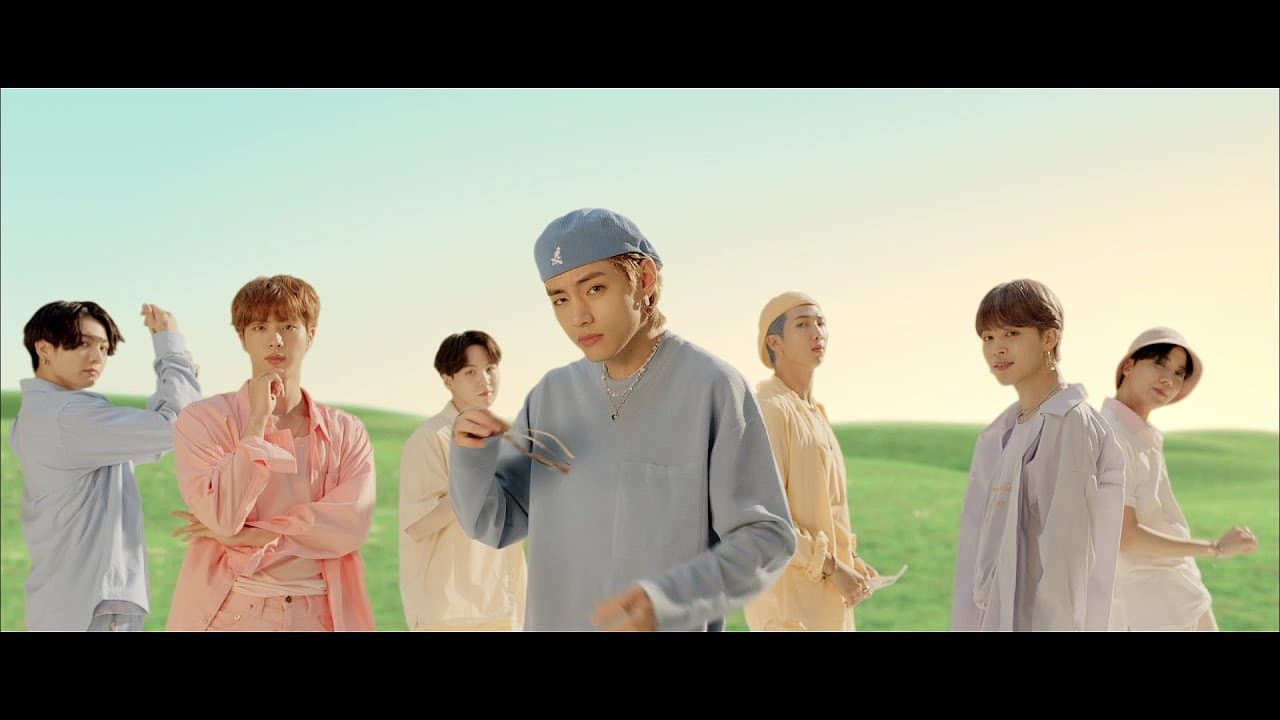
BTS turned its Paris finale into a global pop-culture moment when French President Emmanuel Macron and First Lady Brigitte Macron were spotted in the crowd holding the group's official ARMY Bomb light sticks. The appearance mattered because it came during a record-setting Stade de France stop that framed BTS not simply as a returning K-pop act, but as a cultural force able to pull fans, families, media, and heads of state into the same stadium experience.
The group performed at Stade de France in Saint-Denis on July 17 and 18 local time as part of its world tour for ARIRANG, closing the European leg with one of the most widely discussed K-pop events of the summer. Korean reports citing the Paris concert described an audience of about 92,000 for the July 17 show, a figure presented as the largest single-concert crowd in BTS history. For a group already associated with stadium milestones, that number gave the Paris stop a new layer of significance.
Macron added to the conversation after the concert by sharing footage from the show on his social media account and welcoming BTS to Paris in French. During the performance, the president and first lady also appeared on the venue's big screen, drawing a loud response from the audience. Videos of the moment spread quickly across social platforms and fan communities, where many viewers focused on the image of France's first couple joining ARMYs with the same glowing light sticks as everyone else in the stands.
A Paris Stadium Show Becomes A Symbol Of Scale
The Paris stop carried weight even before the unexpected presidential sighting. BTS had not performed in France as a full group for seven years, and the return to Stade de France created a reunion atmosphere across the area surrounding the venue. Fans arrived from across Europe in purple outfits and accessories, traded handmade goods, took photos, and turned the wait for doors into an all-day gathering.
Reports from the show described a crowd that crossed age, nationality, and language lines. One account noted older international fans singing along to the group's debut-era songs, while another highlighted families spanning multiple generations who attended together. That range has long been central to BTS's overseas appeal: the group does not draw only the youngest corner of pop fandom, but a wider community that treats the concert as both a music event and a shared identity.
Inside the stadium, BTS built the set around songs from ARIRANG as well as major hits including Not Today, IDOL, Butter, and Dynamite. The concert reportedly opened with red smoke and a surge of noise as the members appeared, followed by more than two hours of high-volume singing from the crowd. The size of that response became part of the story: the Paris audience was not passive spectacle, but an active participant in the performance.
The single-show attendance figure gave the night a clear headline, but the broader achievement was the setting. Stade de France is France's largest stadium and a venue tied to national sports, major concerts, and large public ceremonies. Filling it with a K-pop fandom for a full-group comeback-era tour underlined how far BTS's live economy has expanded since its first European breakthroughs.
Why The Macron Moment Traveled So Fast
Celebrity sightings at concerts are common, but this one traveled differently because of the people involved and the object in their hands. The ARMY Bomb is not just merchandise. At BTS concerts, it is part of the visual language of the show, a device that turns thousands of individual seats into a synchronized field of light. Seeing the French president and first lady holding that same symbol made the scene instantly readable to fans.
The response online leaned into surprise and humor. Korean coverage collected reactions from viewers who joked that Macron had seen BTS before many fans could, while others treated the moment as another example of the group's global reach. The sight also followed earlier French connections involving the group and its members, including Brigitte Macron's reported interest in j-hope's appearance at the Pièces Jaunes charity gala in Paris.
The political dimension should not be overstated; the concert was still a pop event, not a diplomatic summit. Yet K-pop has often operated in spaces where culture and soft power overlap, and this moment was a clean illustration of that overlap. A Korean group closed a European tour in a French national stadium, French leadership publicly welcomed them, and global fans turned the image into a social-media story within hours.
For casual international readers, the key point is that BTS's audience is no longer unusual only by K-pop standards. Stadium pop depends on more than chart positions. It requires songs that work at scale, a fan system that can mobilize across borders, and a public story that makes people who are not already fans understand why the event matters. The Paris concert had all three.
The Return Narrative Around BTS Grows Stronger
The Paris coverage also fed into a larger narrative about BTS after the group's period of military service and solo activity. French and Korean reports framed the performance as evidence that the hiatus did not weaken the group. Instead, the members appeared to return with a clearer sense of identity and an audience eager to see the seven-member formation again.
Several members reportedly addressed the crowd in Korean and French near the end of the concert. RM expressed happiness at returning to Paris, Suga reflected on how much larger and hotter the audience felt compared with the group's previous appearance at the same venue, and Jimin and Jungkook acknowledged the record-setting crowd. j-hope also praised Paris as a city of standout ARMYs, reinforcing the sense that the stop was an emotional checkpoint for both the performers and the audience.
Those remarks gave the record a human frame. Attendance numbers can be impressive but abstract; hearing the members connect the crowd size to their own memories of past tours made the growth easier to feel. It also gave fans a reason to treat the night as more than another stop on an itinerary.
The show reportedly included fan messages on the stadium screen, adding a lighter and more intimate layer to the scale. Some messages thanked BTS for being present through fans' twenties, while others joked about the financial sacrifice of following the tour. That mix of sincerity and comedy is familiar within ARMY culture, and it helped balance the grandeur of a 90,000-plus crowd with the smaller emotional exchanges that keep fandom durable.
What Comes Next After Paris
BTS's schedule kept the momentum moving immediately after France. Following the July 17 and 18 Paris concerts, the group was expected to travel to the United States for the 2026 FIFA North America World Cup final halftime show in New Jersey on July 19 local time. That quick turn from a European stadium finale to a World Cup stage reinforced how tightly the group's current comeback cycle is tied to international events.
The World Cup appearance is especially notable because it places BTS in front of an audience far beyond K-pop's normal touring public. Stadium concerts reward devoted fans who buy tickets and travel; a football final halftime show reaches casual viewers, sports fans, and global households that may only know the group's biggest English-language hits. After Paris, that wider platform could extend the same story: BTS as a Korean group whose live performances now sit comfortably inside mainstream global spectacle.
For fans, the most lasting image from Paris may still be the ARMY Bomb in the hands of France's first couple. It was simple, instantly shareable, and a little surreal. For BTS, it became one more sign that their post-hiatus return is being watched not only by fandom, but by institutions and audiences that once stood outside the K-pop conversation.
The concert's numbers, the presidential cameo, and the coming World Cup stage all point in the same direction. BTS's European finale was not just a successful tour stop. It was a reminder that the group's most powerful asset is the ability to make a stadium feel like both a national event and a fan gathering at the same time.
How do you feel about this article?
저작권자 © KEnterHub 무단전재 및 재배포 금지
Entertainment Journalist · KEnterHub
Entertainment journalist specializing in K-Pop, K-Drama, and Korean celebrity news. Covers artist comebacks, drama premieres, award shows, and fan culture with in-depth reporting and analysis.
Comments
Please log in to comment