Choi Yuri Turns Maksarang Into A KBS Moment
 By Ricky Joo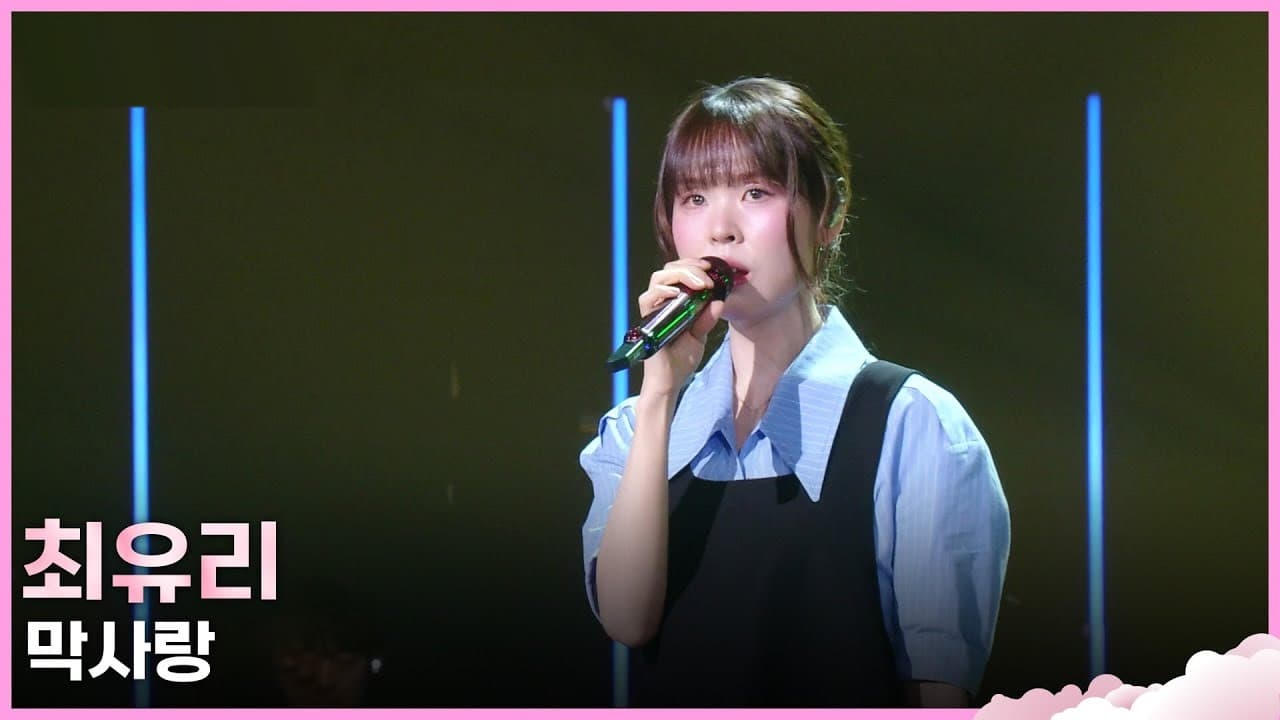
Choi Yuri's performance of Maksarang on KBS Kpop's official YouTube channel gives the latest episode of The Seasons: Sung Si-kyung's Eardrum Boyfriend the kind of quiet centerpiece that travels well beyond a late-night broadcast slot. The clip, uploaded from the July 10 KBS broadcast, is short by concert standards but dense with the qualities that have made Choi one of Korea's most trusted singer-songwriters: a restrained vocal color, careful phrasing, and an ability to make a single stage feel like a private confession rather than a television segment.
According to KBS Kpop's official YouTube channel, the video comes from The Seasons, KBS2's rotating live-music project currently hosted by Sung Si-kyung. The episode's guest lineup also included Lee Seung-chul, Kim Dae-myung, Lee San, and LUCY, placing Choi Yuri inside a program built around vocal identity rather than standard comeback promotion. That context matters. A song such as Maksarang depends less on spectacle than on trust, and a broadcast stage that foregrounds microphones, musicianship, and audience attention is exactly where her style can expand.
For international K-entertainment audiences who often meet artists through heavily edited music videos, this kind of official live clip is useful evidence. It shows how Korean music television still functions as a discovery engine, especially for artists whose strength is emotional detail. Choi does not need a concept trailer or an elaborate set to hold the frame. The performance asks viewers to listen closely, and that demand is the point.
A Song Built For Close Listening
Maksarang arrives on the KBS stage as a performance rather than a headline announcement, but the song's appeal is immediately legible. Choi Yuri's music often lives in the space between folk-pop, acoustic ballad, and confessional indie songwriting. Her voice has a soft edge that can sound fragile at first, then firmer as a phrase develops. On a live broadcast, that gradual build is more revealing than a studio version because the listener can hear how she controls breath and emphasis in real time.
The clip's format also suits the song. KBS Kpop presents it without turning the moment into a fan-cam fragment or a personality reel. It is an official broadcaster upload, with the performance treated as the central text. That distinction is important for a platform where many music-stage videos compete with informal edits. Here, the camera and audio are there to document the stage, not to overwhelm it. The result is a performance that feels direct and durable.
Choi Yuri has built her audience through songs that reward repeat listening. Her best-known work tends to avoid melodramatic shortcuts; instead, she lets plainspoken melodies carry emotional weight. Maksarang fits that pattern. The title suggests a love song, but the performance does not push for easy sweetness. It holds back, allowing tension to remain in the vocal line. That restraint is what gives the clip its replay value.
Because the original YouTube description is minimal, the performance itself becomes the source of the story. There is no elaborate promotional copy to decode. The meaningful information is in the stage choice: KBS gave the song a clean live frame, and Choi used it to underline her identity as a vocalist who can communicate without excess.
Why The Seasons Still Matters
The Seasons has become one of Korean television's most flexible music formats because each host brings a different temperature to the project. Sung Si-kyung's current season is especially aligned with vocalists. His public image is tied to ballads, careful singing, and conversation about music, so the subtitle Eardrum Boyfriend is more than a variety-show joke. It signals a show where tone and delivery are meant to be heard closely.
That makes Choi Yuri a natural guest. She is not a novelty booking. She is the kind of artist who benefits from a room where the audience expects nuance. For KBS, this is also smart programming. Idol comebacks and high-budget stages generate fast online traffic, but live-music credibility depends on artists who can make a small performance feel necessary. Choi's stage does exactly that.
The episode lineup strengthens the point. With senior vocalist Lee Seung-chul, actor-singer Kim Dae-myung, and band LUCY also connected to the same broadcast, the show framed music as a meeting place across generations and professions. Choi's presence sits comfortably in that mix. She represents a newer singer-songwriter lane, one that has grown through playlists, drama associations, and word of mouth rather than only through idol-style cycles.
For global viewers, KBS Kpop's official channel is often the easiest access point to this ecosystem. Subtitled interviews and longer cuts can deepen context, but even a single performance upload can introduce the mood of a Korean live-music program. In Choi Yuri's case, the clip offers an efficient introduction to why Korean listeners respond to her: she makes understatement sound active.
The Fan And Industry Signal
The immediate fan reaction to a performance like this is usually less about shock than recognition. Existing listeners get a clean new version to share, while casual viewers can understand the artist's appeal without needing a long biography. That is valuable in the current music economy. The most effective live clips are not only promotional assets; they become proof of artistic reliability.
For Choi Yuri, the KBS stage also reinforces her position in a crowded singer-songwriter field. Korea has no shortage of emotive vocalists, and many ballad-adjacent artists compete for the same playlist space. What separates Choi is the texture of her delivery. She does not turn every emotional phrase into a climax. She lets small turns matter, which is harder to package but often more memorable once heard.
There is also a broader industry lesson. Official broadcaster uploads can extend the life of a performance beyond domestic airing, especially when they are cleanly titled and easy to find. A viewer who misses the July 10 broadcast can still encounter Maksarang through YouTube, and that viewer may arrive from a recommendation path that has nothing to do with KBS television. The clip therefore functions as both archive and discovery.
The outlook is straightforward: this is not a comeback spectacle, but it is a meaningful visibility moment. Choi Yuri's Maksarang stage shows how a focused live performance can become a durable digital asset. On a program designed for close listening, she gave KBS exactly the kind of quiet performance that keeps traveling after the episode ends.
How do you feel about this article?
저작권자 © KEnterHub 무단전재 및 재배포 금지
New Music & Comebacks Reporter · KEnterHub
New-music reporter covering K-pop comebacks as they drop. Ricky Joo tracks official channel premieres, music video releases and debut showcases, breaking down what each comeback signals about an artist's next chapter — often within hours of release.
Comments
Please log in to comment