CNN Just Gave Korean Culture Its Biggest Global Stage Yet
Daniel Dae Kim hosts a landmark four-part CNN Original Series exploring the forces behind Korea's unstoppable cultural rise
 By Park Chulwon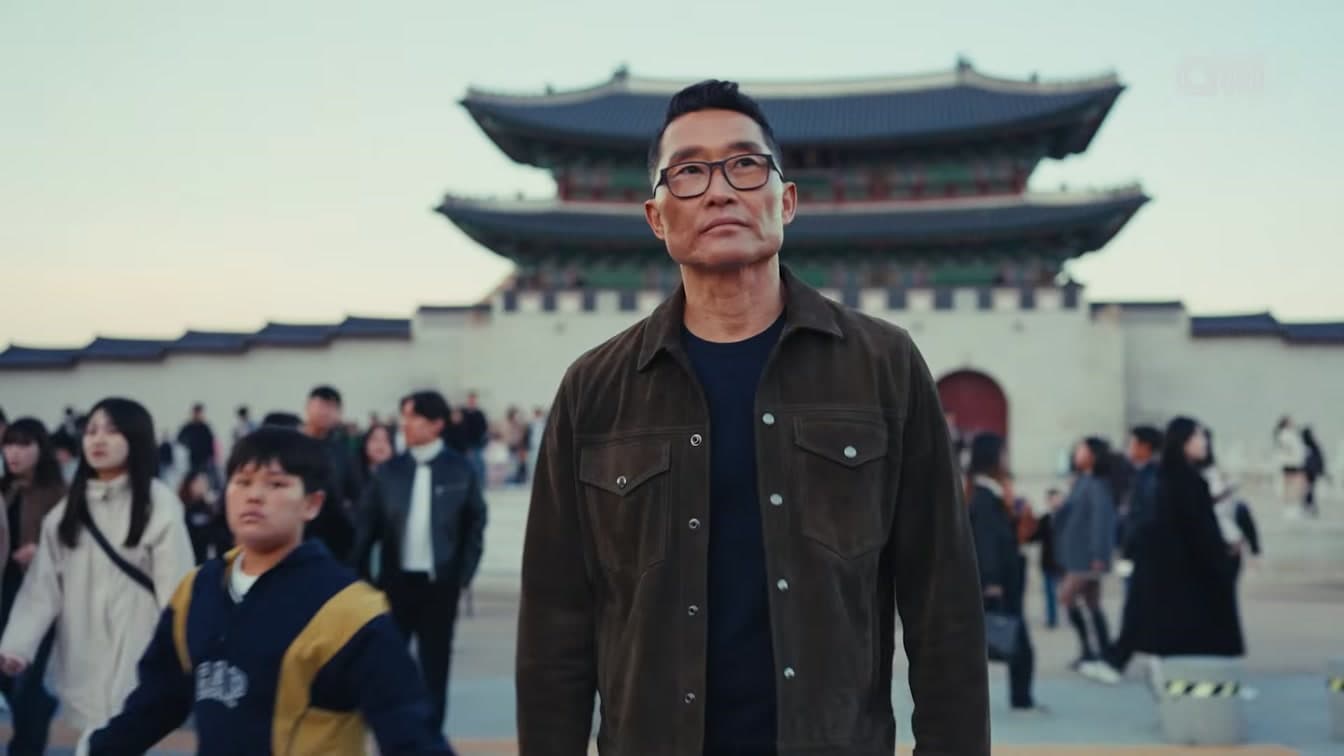
When CNN announced that it was dedicating a full original documentary series to Korean culture, the K-pop and K-drama communities took notice. But "K-Everything," the network's four-episode exploration of the Korean wave hosted by actor and producer Daniel Dae Kim, is something more ambitious than a glossy tribute to hallyu's greatest hits. Premiering May 9 on CNN International, the series positions itself as a serious cultural reckoning — an attempt to understand why South Korea, a country of 51 million people, has become one of the most influential cultural exporters on Earth.
For fans of K-pop, K-dramas, Korean cinema, and Korean food and beauty trends, the premiere represents a landmark moment of mainstream validation. A major American news network dedicating substantial resources to chronicling the depth and breadth of Korean creative culture signals something that artists, fans, and industry insiders have long felt but rarely seen confirmed in this format: the Korean wave is not a passing trend.
Who Is Daniel Dae Kim — And Why Does His Voice Matter Here
At the helm of the series is Daniel Dae Kim, a figure uniquely positioned to tell this story. Born in South Korea and raised in the United States, Dae Kim built a career in Hollywood that spans decades — most notably as a lead cast member of Lost and Hawaii Five-0, and a Tony-nominated presence on Broadway. He serves as both host and executive producer of "K-Everything," bringing a personal investment that shapes the series' tone from its opening moments.
"It was never far from me," Dae Kim said of Korea, reflecting on his childhood connection to his heritage. "I was reminded of Korea every day, literally, through the food my mom would cook." That sense of daily, lived culture — not just the polished output of entertainment companies — informs the series' perspective. Rather than treating K-culture as an export to be marveled at from the outside, Dae Kim approaches it as something that has always been present, quietly waiting for the rest of the world to catch up.
On Korean society's values, Dae Kim offered a perspective that challenges Western individualism: "There's a much more collective sense of care for each other... It's not about my rights; it's about how you affect other people." It is this ethos, he suggests, that has enabled the kind of sustained creative collaboration behind K-pop's factory-precise idol system and the community-driven fandom culture that has propelled it globally.
Inside the Four Episodes: K-Pop, K-Drama, K-Food, and K-Beauty
The series covers four distinct cultural pillars, each the subject of its own episode. The K-pop installment travels to the heart of Seoul's music industry, where Dae Kim meets with some of the genre's most recognizable figures — including PSY, the artist behind "Gangnam Style," which remains one of the most-watched videos in YouTube history, and emerging acts affiliated with The Black Label, one of K-pop's most artistically forward-thinking agencies. The episode examines how K-pop transformed from a South Korean domestic phenomenon into a global industry powered by parasocial fandom relationships and social-media-driven fan engagement unlike anything seen before in pop music.
The K-drama and K-film episode traces the arc from South Korea's era of heavy government censorship — when filmmakers were constrained in what stories they could tell and how — to the current moment of Oscar wins, Emmy nominations, and record-breaking Netflix viewership. Lee Byung-hun, whose role in Squid Game introduced him to a new generation of international viewers, appears in the episode alongside producers behind Netflix's animated series KPop Demon Hunters, offering behind-the-scenes perspectives on how Korean storytelling has evolved.
The K-food episode takes viewers to a kimchi festival in Pyeongchang and into the kitchen of Mingles, the Seoul restaurant helmed by chef Kang Min-goo that holds three Michelin stars — one of the most prestigious culinary recognitions in the world. The episode connects the humble roots of Korean street food, where pojangmacha tents serve soju and tteokbokki to late-night crowds, with the global fine-dining stage that Korean cuisine now occupies.
The K-beauty installment delves into the innovation ecosystem behind an industry that has made South Korea the cosmetics capital of the world — from ingredient sourcing and factory production to the clinics and content creators who have made Korean skincare routines a global phenomenon. The episode explores how K-beauty's emphasis on skincare as a form of self-care and investment resonated far beyond East Asia to become a mainstream movement in Western markets.
A Production That Reflects K-Culture's Global Stakes
"K-Everything" represents the first collaboration between CNN's Originals team and its APAC-based Global Productions unit — a structural choice that signals the network's acknowledgment that covering Korean culture requires a genuinely international perspective, not just an American editorial lens looking outward. The co-production arrangement gave the series access to local cultural knowledge and on-the-ground expertise that would have been difficult to replicate from a purely Western production base.
Hyundai Motor Company sponsors the series — a partnership that is more than commercially symbolic. Hyundai's own trajectory as a brand mirrors Korea's broader cultural story: a company that began as a manufacturer in a developing nation and steadily built itself into a globally recognized symbol of Korean industrial ambition and design. The sponsorship creates a resonant frame around a series that is, at its core, about the relationship between identity, pride, and the world's perception of what Korean means.
What This Means for K-Culture's Global Moment
The series arrives at an inflection point. K-pop is now a multi-billion dollar global industry. K-dramas regularly top streaming charts in markets far beyond East Asia. Korean films have won Academy Awards. Korean food and beauty products have become mainstream retail staples across North America, Europe, and Southeast Asia. Yet for all of this, there has been relatively little serious long-form media coverage — produced at the level of a major international broadcaster — that attempts to explain the cultural forces at work.
"K-Everything" fills that gap. By giving Daniel Dae Kim the platform to explore his own heritage with journalistic rigor and personal warmth, CNN has produced something that functions simultaneously as documentary, cultural essay, and love letter to a country that has, in Dae Kim's words, demonstrated a resilience and persistence that "gives me hope." For fans already embedded in Korean culture, the series offers validation and new context. For the curious outsider, it provides the most accessible entry point yet to understanding why the world has fallen so completely under K-culture's spell.
"K-Everything" with Daniel Dae Kim premieres Saturday, May 9 at 8 PM ET on CNN International, with new episodes airing weekly. The series will also be available on demand to CNN streaming subscribers in the United States beginning the same date.
How do you feel about this article?
저작권자 © KEnterHub 무단전재 및 재배포 금지
Entertainment Journalist · KEnterHub
Entertainment journalist focused on Korean music, film, and the global K-Wave. Reports on industry trends, celebrity profiles, and the intersection of Korean pop culture and international audiences.
Comments
Please log in to comment