Everything You Need to Know Before BOYNEXTDOOR's 'No Genre' Drops May 13
 By Jang Hojin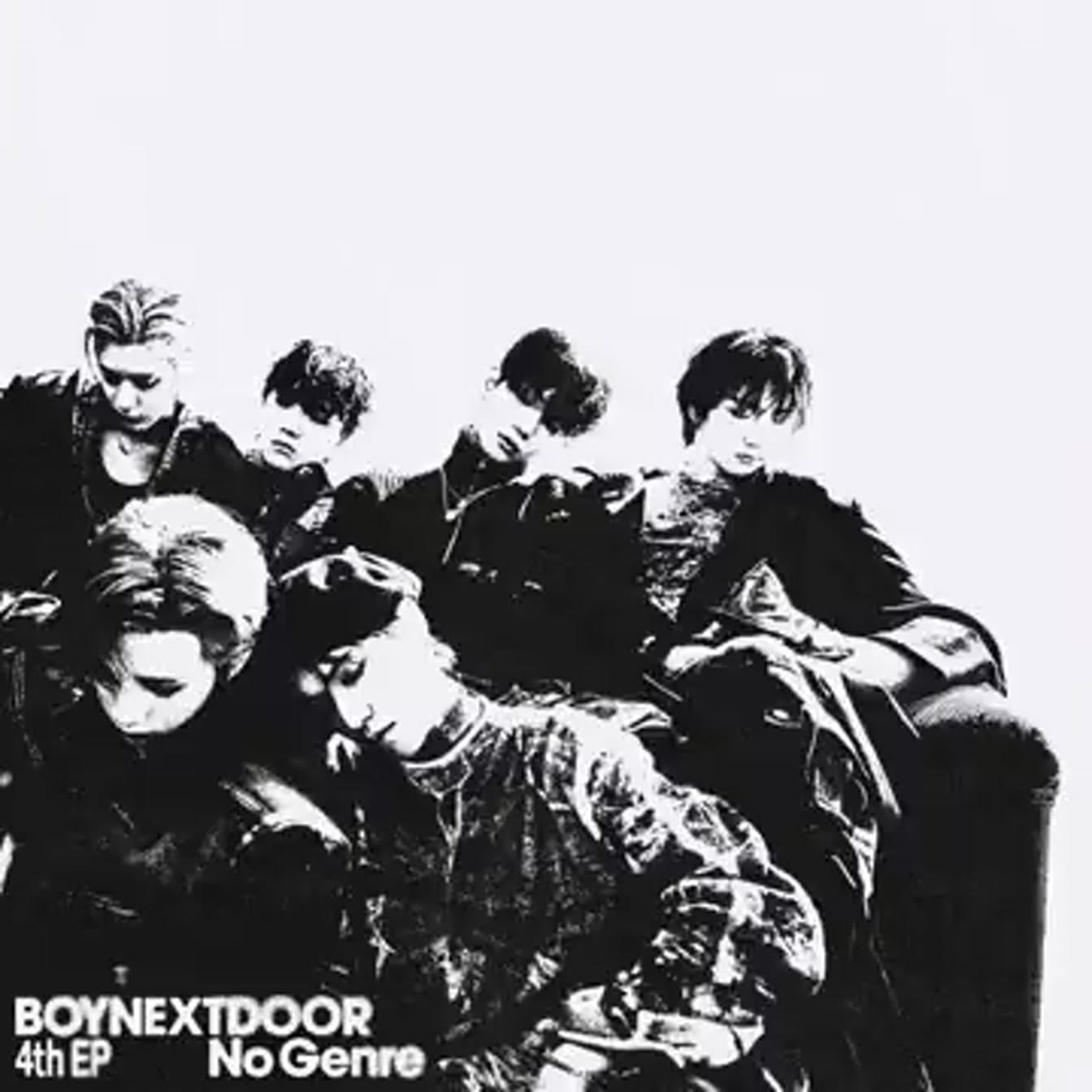
BOYNEXTDOOR drops No Genre, their fourth extended play, on May 13 — and the album's title tells you more about the group's intentions than any press release could. Released through KOZ Entertainment and co-produced with longtime collaborator Zico, the seven-track EP deliberately refuses the kind of genre legibility that usually anchors a K-pop group's identity.
Here is what you need to know before the album arrives, track by track and context by context, about why No Genre represents BOYNEXTDOOR's most considered artistic statement to date.
The Lead Single: "I Feel Good"
"I Feel Good" is the album's title track and its most immediate statement of intent. Built on a hip-hop and funk foundation, the song channels carefree confidence rather than the earnest emotional confessionalism that BOYNEXTDOOR built their early reputation on. The production, handled by Pop Time and Kako alongside Zico, layers rhythm guitar lines over a groove-forward arrangement that prioritizes physical energy over the introspective quality of earlier singles like "But I Like You" or "One and Only."
Members Jaehyun, Taesan, and Woonhak contributed directly to the songwriting across the album, and their fingerprints on "I Feel Good" are visible in the lyrical directness — a deliberate move away from metaphor-heavy expression toward something more immediate. The English-language version of the track, included as the album's final track, allows the melody and groove to translate cleanly without the tonal shifts that sometimes complicate direct translations of K-pop title tracks.
"If I Say, I Love You": The Bridge Between Eras
Released as a digital single ahead of the full album, "If I Say, I Love You" functions as the hinge between what BOYNEXTDOOR was and where they are going. The song preserves the group's talent for melodic emotional writing while introducing a slightly more restrained sonic palette — less maximalist than their early work, more careful about where the emphasis lands. Its placement as track six on the album gives it the feel of a culminating statement before the English version of "I Feel Good" closes everything out.
Pre-release singles in K-pop often serve as commercial anchors that guarantee fanbase engagement before an album lands. What distinguishes "If I Say, I Love You" is that it also works as a standalone artistic statement, which is rarer. It made charts and it merited the attention — a combination that justifies KOZ's decision to release it weeks before the album rather than holding it as an album track.
The Album's Interior: "123-78," "Step By Step," and "Is That True?"
"123-78" opens the album as its most experimental moment — a track that establishes sonic displacement from the opening bars and signals to the listener that this collection will not proceed by genre convention. The song's structure is deliberately unusual, and its placement as the lead track suggests that BOYNEXTDOOR intended it as an artistic declaration rather than a hook-first commercial strategy.
"Step By Step" is the album's most accessible middle section — a track with a pop-friendly melodic profile that serves as a palate cleanser between the more stylistically aggressive pieces. It will likely perform well as a streaming track because it asks less of the casual listener than either the opener or the title track. "Is That True?" occupies a similar emotional territory to the group's earlier relational songwriting but with production choices that feel more confident and less eager to please — a grown-up version of the sound they introduced on their first release.
"Next Mistake": The Album's Emotional Core
"Next Mistake" is the track most likely to surprise listeners who follow BOYNEXTDOOR primarily through their digital singles. The song sits in a reflective space that contrasts with the album's more assertive moments, functioning as the emotional counterweight to "I Feel Good." In an album that spends considerable energy performing confidence, "Next Mistake" admits uncertainty — and that admission makes the confidence elsewhere feel earned rather than performed.
The track's placement before "If I Say, I Love You" creates a sequence that takes the album's second half somewhere genuinely contemplative, suggesting that BOYNEXTDOOR sees emotional range rather than tonal consistency as the value they are adding to the market. That is a different bet than most K-pop groups place.
Why "No Genre" Works as a Title
The phrase "No Genre" in K-pop context invites immediate skepticism. Groups have claimed genre freedom before, usually as a marketing angle that collapses under scrutiny when the album turns out to sound exactly like their previous work. What makes BOYNEXTDOOR's claim more credible is that the album actually contains elements of funk, hip-hop, contemplative ballad-adjacent writing, experimental pop, and melodic K-pop — across seven tracks, in a way that does not feel like a sampler but rather like a group testing the full range of their capabilities simultaneously.
Whether listeners embrace the breadth or find it exhausting is a legitimate question. Genre-spanning albums either read as evidence of artistic range or as failures of cohesion, depending on how effectively the connective tissue between tracks functions. On the basis of what BOYNEXTDOOR has previewed, the case for cohesion rests primarily on the group's identifiable vocal personalities — the one constant that threads through every sonic environment they place themselves in.
The album releases tomorrow, May 13. Pre-order data has already established that the commercial question is less interesting than usual: strong first-day sales are essentially assured at this point in the group's trajectory. The more genuinely open question is whether No Genre earns the artistic reputation that its title claims. Listen to "123-78" first, and make your judgment there.
How do you feel about this article?
저작권자 © KEnterHub 무단전재 및 재배포 금지
Entertainment Journalist · KEnterHub
Entertainment journalist specializing in K-Pop, K-Drama, and Korean celebrity news. Covers artist comebacks, drama premieres, award shows, and fan culture with in-depth reporting and analysis.
Comments
Please log in to comment