Gag Concert Tops Korea With 107.99M Weekly Views
 By Park Chulwon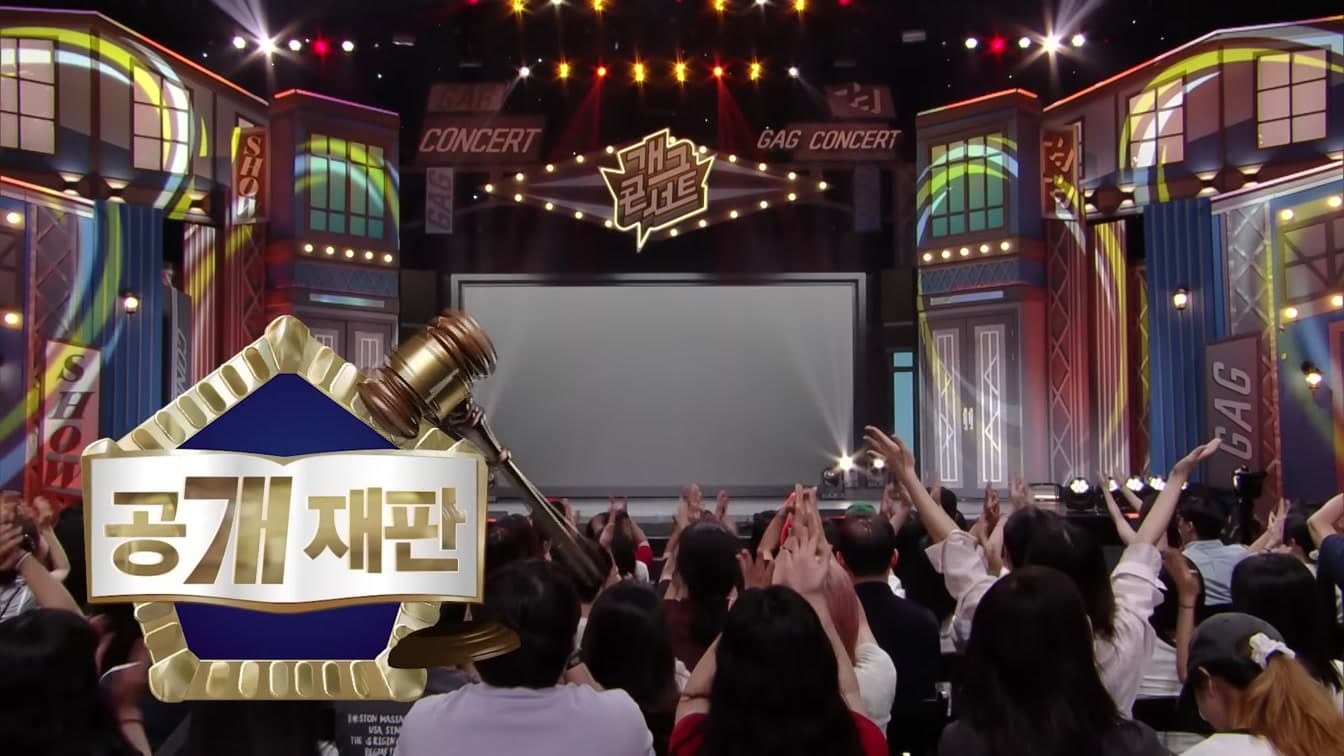
KBS 2TV's Gag Concert has turned a legacy television brand into one of Korea's strongest online entertainment performers. According to figures released by KBS's multiplatform statistics portal StoRRm, the program's official channel recorded 107.99 million views from July 6 to July 12 and ranked No. 1 among domestic channels overall.
The result matters because the channels behind it were not all entertainment rivals. The report noted that the second through fifth spots were occupied by terrestrial news channels, making it unusual for a single variety program to outrank the country's major news outlets during the same weekly measurement period. For a sketch comedy show that first aired in 1999, the milestone shows how a familiar television format can find new momentum when its structure fits short-form digital viewing.
A 107.99 Million View Week
The headline number is direct: 107.99 million views in one week across the official channel. That total placed Gag Concert at the top of the domestic channel ranking measured by StoRRm for July 6 through July 12, ahead of channels whose daily news output usually dominates broad online consumption.
What makes the performance notable is that Gag Concert is not a broad entertainment network or a platform-wide brand. It is a single program channel built around a long-running public comedy show. That narrows the content supply compared with a news channel, but it also gives viewers a clearer reason to subscribe, return, and share specific segments.
The program's format is especially suited to the way viewers now move through video platforms. A sketch can be watched as a self-contained clip, shared without much setup, and understood without following an entire episode from beginning to end. In that sense, the online success is not just a promotional result. It reflects how the show's basic television grammar already matches the clip economy.
The report also pointed to demand for unedited versions, not only short highlights. Viewers who encounter a joke through a compact clip can then look for the longer performance, creating a loop between highlight consumption and full-version viewing. That pattern is valuable because it turns short-form discovery into deeper engagement rather than replacing it.
Why a Sketch Show Works Online
Many older television formats struggle online because they were built for fixed schedules and linear viewing. Gag Concert has a different advantage. Its segments were always divided into individual corners, each with its own premise, recurring characters, and payoff. A viewer can enter at almost any point without needing a long recap.
That modular structure helps explain why the official channel can grow alongside the broadcast instead of simply recycling it. Each corner can become a separate piece of content, and each joke or catchphrase can travel independently on social platforms. When a segment catches attention, audiences can return to the channel to watch the full sketch or find related clips from previous episodes.
The weekly No. 1 ranking also suggests that the program is reaching beyond nostalgia. Gag Concert has a long memory for Korean viewers, but online growth requires regular new material. The current version of the show benefits from a steady pipeline of fresh corners and variations on existing ones, giving the channel a reason to update consistently while keeping the brand recognizable.
That balance matters for a comedy program. Too much dependence on past catchphrases can make a revival feel dated, while too sharp a break from the original identity can weaken the reason audiences cared in the first place. The current data indicates that the show is finding a workable middle ground: familiar enough to be instantly legible, but active enough to compete in a fast-moving feed.
A Revival With Deep Television History
The online milestone lands differently because of the program's history. Gag Concert premiered on September 4, 1999 and became Korea's longest-running public comedy program. Over 27 years, it developed a reputation as both a major source of catchphrases and a launchpad for comedians who later became familiar figures across Korean entertainment.
Its earlier television peak was formidable. The program began with an annual average rating of 16.3 percent in 1999, then reached an annual average of 28.9 percent in 2003. One scene from the January 26, 2003 broadcast of the corner Bongsunga School reportedly climbed to a momentary rating of 49.8 percent, a figure that belongs to a very different era of Korean television consumption.
Those numbers give the current digital success a useful frame. The show is not simply trying to recreate its old broadcast dominance; that media environment no longer exists. Instead, the 107.99 million weekly view total shows that the brand has found a second kind of scale, built through clips, full versions, searches, and repeat viewing on official online channels.
The path was not automatic. Gag Concert ended in 2020 during a broader downturn for public sketch comedy, then returned in 2023 after a three-year break. Reviving a format that many viewers associated with an earlier TV era carried obvious risk. The current performance suggests that the revival has become more than a sentimental comeback.
Veterans, Newcomers, and the Comedy Pipeline
The report credited the program's mix of experienced comedians and newer performers as one reason the channel has maintained momentum. Veterans bring timing, stage control, and audience trust. Newer comedians from the 33rd and 34th KBS classes bring fresh delivery, newer social instincts, and a closer relationship to the video culture that younger viewers already inhabit.
That blend is important because public sketch comedy depends on repetition and surprise at the same time. Regular corners need enough familiarity for viewers to recognize the setup, but each episode also needs a new twist to make the clip worth watching and sharing. A cast made up of both seasoned performers and newer faces gives the show more ways to refresh a premise without abandoning it.
The production team framed the result as a response to consistent effort on stage. In its statement, the team said the program had worked to present new corners and fresh humor every week, and thanked viewers for enjoying the show through both the broadcast and its channel. The comment underlines the dual-track strategy now driving the program: television remains the source, but the channel is no longer secondary.
The numbers from 2025 already hinted at that direction. The official channel reportedly recorded 2.296 billion annual views last year, ranking sixth among 495 channels measured. The latest weekly No. 1 finish builds on that foundation and shows that the audience was not limited to a one-time revival effect.
What Comes Next
The next broadcast will test whether the momentum can keep feeding both platforms. Gag Concert episode 1182 is scheduled to air on KBS 2TV on July 19 at 10:35 p.m. KST, giving the official channel another round of material to cut, upload, and circulate through viewers who increasingly discover television through short clips first.
For Korean variety television, the achievement is a reminder that legacy formats are not automatically obsolete. Some are poorly matched to modern viewing habits, but others can become more flexible online than they were on air. A sketch show built from short, repeatable, character-driven corners has a natural advantage when audiences browse by scene rather than by full episode.
The larger question is whether Gag Concert can turn weekly visibility into sustained cultural relevance. A No. 1 channel ranking proves reach. Lasting influence will depend on whether new corners create characters and jokes that travel outside the program's existing fan base. For now, the data is clear: one of Korean television's oldest comedy institutions is no longer only a comeback story. It is a digital competitor.
How do you feel about this article?
저작권자 © KEnterHub 무단전재 및 재배포 금지
Entertainment Journalist · KEnterHub
Entertainment journalist focused on Korean music, film, and the global K-Wave. Reports on industry trends, celebrity profiles, and the intersection of Korean pop culture and international audiences.
Comments
Please log in to comment