Goo Chang Mo Returns With 1theK MV
The Songgolmae vocalist revisits a classic-era memory with You That Meet Again, the title track from Memory & Future.
 By Ricky Joo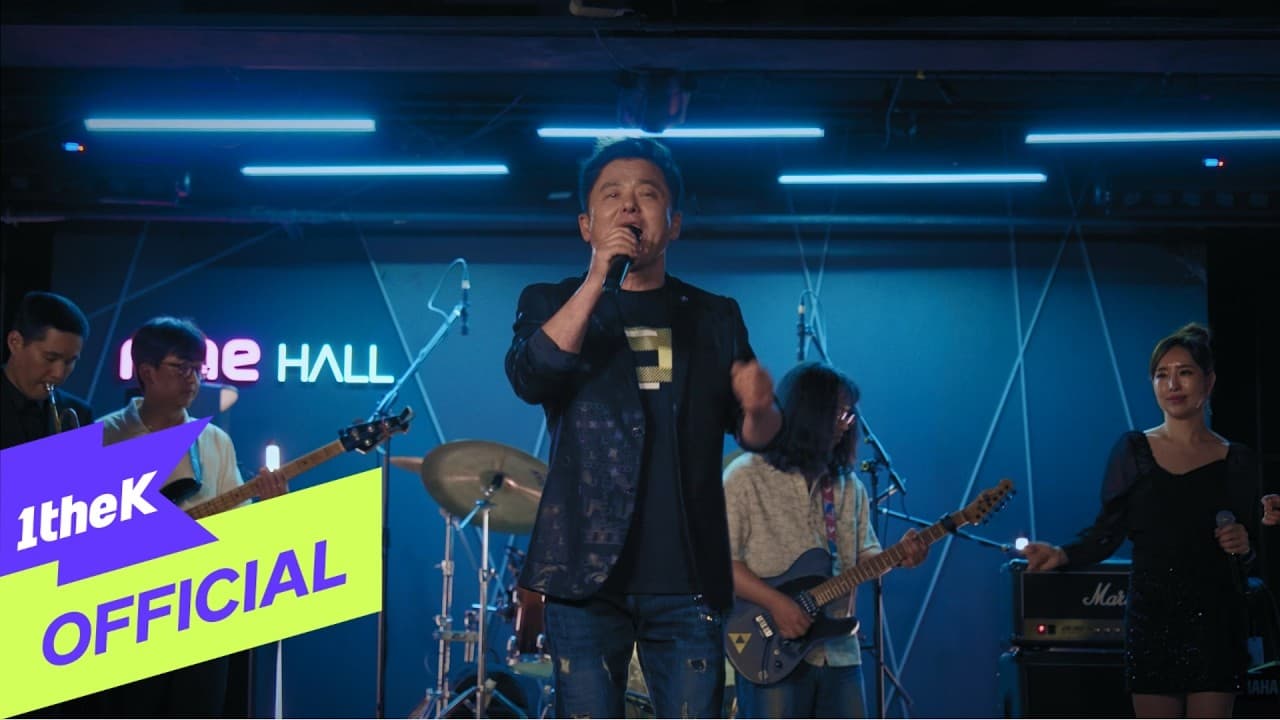
Goo Chang Mo has turned a new music video into a rare bridge between Korean rock memory and a 2026 comeback cycle. The veteran vocalist's new video for You That Meet Again was featured on 1theK's official YouTube channel on July 14, placing the title track from his special album Memory & Future directly in front of a digital audience that includes both longtime Songgolmae listeners and younger K-pop discovery viewers.
Featured on 1theK, the video arrives as part of a comeback that is unusual even in a music market increasingly comfortable with reunion projects and legacy revivals. Goo, widely known as a main voice of Songgolmae and as a major solo singer of the 1980s, is releasing a formal new album decades after his last full solo era. The YouTube upload matters because it gives that return a modern launch point: an official MV environment, an embed-ready format, and a channel whose views are treated as part of the visible music-program ecosystem.
The track's Korean title, 또다시 마주친 그대, deliberately recalls Songgolmae's classic 어쩌다 마주친 그대. Rather than positioning the new song as a simple remake, the release frames it as an answer, continuation, or emotional sequel. That choice gives the single a clear hook. Goo is not only returning with a new recording; he is revisiting one of the musical identities that made him a defining voice for Korean pop-rock audiences in the early 1980s.
A Comeback Built On Memory And Momentum
The title Memory & Future explains the comeback's central tension. Korean reports around the album describe a 14-track project that combines two new songs with a dozen familiar numbers from Goo's Songgolmae and solo catalog. It is a deliberate career map: the older songs establish the memory, while You That Meet Again and another new track, Lover of Planet Earth, represent the future portion of the project.
That balance is important because Goo's career has never been only one story. He first emerged through the college music scene in the late 1970s, then became one of the voices most closely associated with Songgolmae's commercial peak. Songs such as Everyone Will Love, The First Moment, and especially Somehow I Ran Into You helped define a bright, melodic rock sound that could move easily between band energy and mainstream pop appeal. After leaving the group, Goo became a solo star with hits including Heenari, a song that also carried his voice beyond Korea through the wider Asian pop-culture circulation of the 1980s.
For many singers, that kind of history can become a museum. Goo's new release argues for something more active. The album does not erase the older catalog or pretend the gap did not happen. It uses the gap as the emotional subject. The message is that the same voice has returned with a different life behind it, and that the old audience is being invited to meet it again through a format built for today's music consumption.
The YouTube video therefore functions as more than a promotional clip. It is the public-facing doorway into a comeback narrative that has already been shaped by live performance. Goo's renewed confidence has been linked in Korean coverage to the response for Songgolmae's 2022 and 2023 national tour with Bae Cheol-soo. Those performances showed that the audience for his voice had not disappeared; it had been waiting for the right moment to gather again.
Why The Title Track Carries More Than Nostalgia
You That Meet Again works because its premise is immediately legible. The title points back to Somehow I Ran Into You, one of the most recognizable songs in Goo's career, but the new song shifts the emotional angle from surprise encounter to return encounter. That is a subtle but meaningful difference. A first meeting belongs to youth, accident and discovery. Meeting again belongs to memory, recognition and the question of what time has changed.
Musically, reports describe the new title track as built with a buoyant funk rhythm and brass color, while Goo has characterized its style as closer to city pop than the disco-based feel associated with the earlier classic. That combination gives the release a strategic advantage. It can trigger recognition for listeners who know the original, while still allowing the new track to move in a contemporary retro lane that younger audiences already understand through city-pop revivals, vinyl culture and playlist-driven rediscovery.
The songwriting backstory also strengthens the single's position. The new song was reportedly written by composer Taein, who was influenced by the original Songgolmae hit as a young listener. That makes the track a generational handoff rather than a closed nostalgia exercise. A musician who was shaped by Goo's earlier work has created a new piece for Goo to sing now, turning fan memory into fresh material.
That kind of loop is increasingly valuable in Korean music. Legacy acts are no longer separated from the digital market by default. They can be rediscovered through official channels, broadcast clips, concert footage, short-form edits and soundtrack references. A song like You That Meet Again is designed to travel through those layers: older fans arrive through memory, younger listeners arrive through the channel and the title, and both groups are given a simple story to understand.
1theK Gives The Release A Modern Frame
The 1theK upload is especially useful for a release like this because it places Goo Chang Mo inside a channel ecosystem associated with Korean music discovery rather than only legacy broadcasting. According to the channel notice attached to the video, 1theK operates as an official MV distribution channel, and views from its uploads can count toward music-show ranking contexts. For a veteran artist returning after a long gap, that matters. The song is not presented only as a commemorative item; it is placed into the same release infrastructure used by current Korean music acts.
The video itself also makes the release easier to circulate internationally. English romanization in the upload title, the YouTube embed format, and the global familiarity of 1theK all lower the friction for overseas Korean music fans who may know Songgolmae by reputation but not by deep catalog knowledge. The comeback can be introduced in a single sentence: Goo Chang Mo has released a new song connected to the Songgolmae classic that helped make him famous.
That clarity is valuable in a crowded release calendar. New K-pop tracks often depend on elaborate concept rollouts, teaser schedules and fandom-specific lore. Goo's single has the opposite structure. Its concept is biographical. The artist's absence, return, and relationship with a signature song are the marketing engine. The MV does not need to explain every chapter of that history; it needs to give viewers enough of an entry point to understand why the release feels meaningful.
There is also a broader industry angle. Korean entertainment has become more willing to treat older catalogs as living assets, not just archive material. Reunion concerts, remastered clips, variety appearances and documentary-style retrospectives have all shown that nostalgia can become active business when handled with care. Goo's new MV is part of that movement, but it has a stronger claim because it includes newly recorded music rather than only replayed memory.
What To Watch After The MV
The next test is whether You That Meet Again can move beyond curiosity. A comeback of this kind can generate immediate interest because of the long gap, but sustained attention will depend on live stages, broadcast appearances, playlist pickup and how strongly older fans mobilize around the new album. Goo has also been expected to meet fans through live performance, which could be decisive. His strongest asset has always been the voice, and a new song tied to his classic era needs stage proof to become more than a headline.
For younger listeners, the release may work best as a gateway into Songgolmae and Goo's solo history. The new title track points backward without demanding that listeners already know every reference. Once the connection is made, the path to older songs such as Somehow I Ran Into You and Heenari becomes obvious. That is how legacy music survives in the algorithm era: not by waiting for nostalgia alone, but by creating fresh reasons for people to search.
The title Memory & Future could have sounded ceremonial. With the 1theK MV now live, it feels more practical. Goo Chang Mo is using memory as the source material and YouTube as the present-tense stage. If the song finds traction, You That Meet Again may stand as more than a comeback single. It could become a model for how a classic Korean pop-rock voice re-enters the official music-video economy without losing the emotional weight that made the return matter in the first place.
How do you feel about this article?
저작권자 © KEnterHub 무단전재 및 재배포 금지
New Music & Comebacks Reporter · KEnterHub
New-music reporter covering K-pop comebacks as they drop. Ricky Joo tracks official channel premieres, music video releases and debut showcases, breaking down what each comeback signals about an artist's next chapter — often within hours of release.
Comments
Please log in to comment