Han Roro Covers Evangelion's Theme — Fans Had Been Asking For This
 By Ricky Joo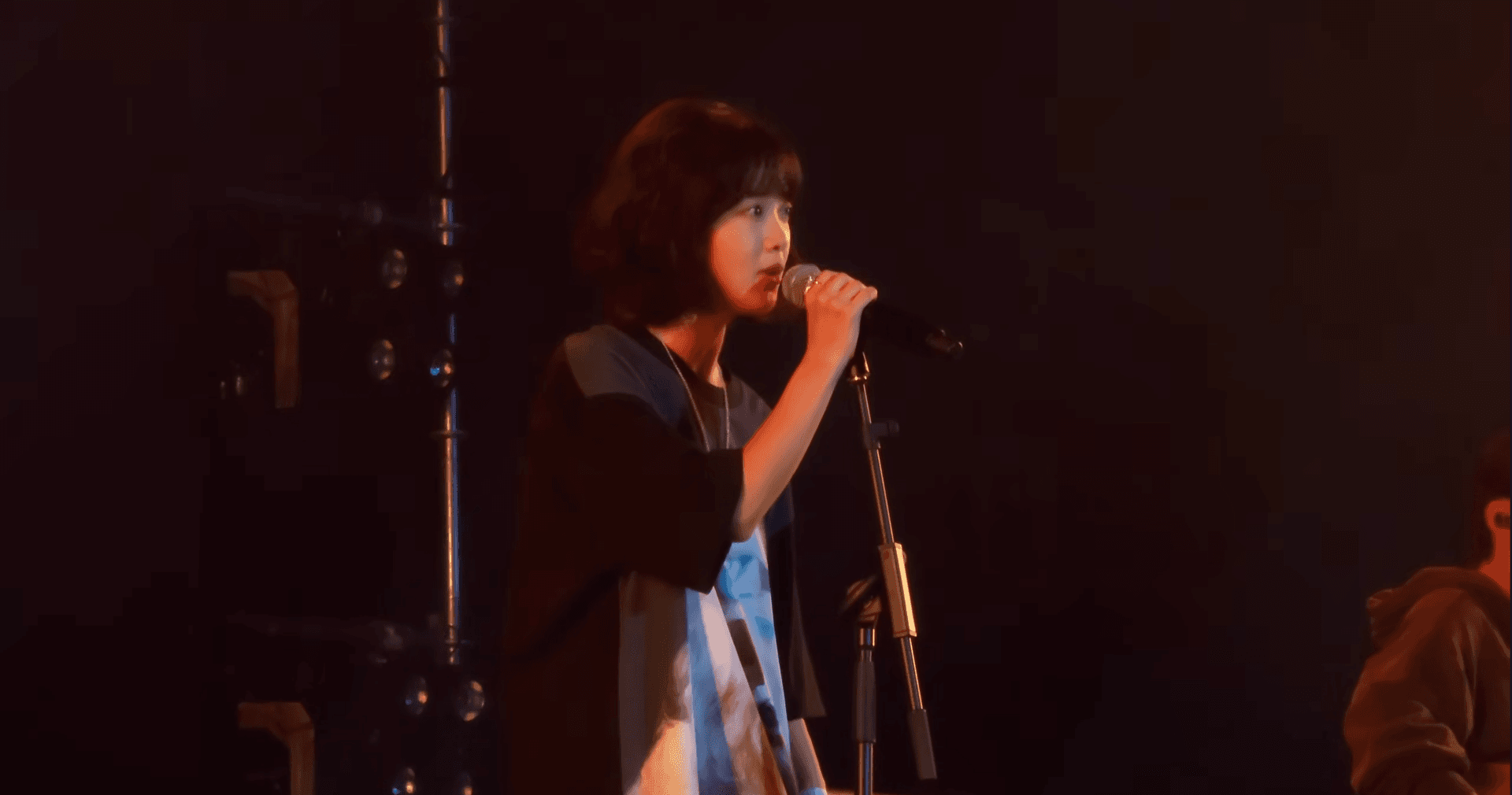
Singer-songwriter Han Roro has been selected as the second artist in a J-POP remake project organized by rapper and entertainer Kang Nam, and the track she is covering is one of the most beloved anime theme songs in history. "Zankoku na Tenshi no Teze" — known internationally as A Cruel Angel's Thesis — the opening theme of the 1995 anime series Neon Genesis Evangelion, arrives in a Han Roro interpretation on July 30, 2026.
The announcement did not catch fans off guard. It confirmed what many had already been asking for: a recorded version of something they had already heard. Han Roro performed her own arrangement of the song during the 2024 music festival WONDERLIVET, and the response was immediate and emphatic. Following the performance, listener demand for an official release grew steadily online. The project's confirmation brings that request to reality.
Why This Song, and Why Han Roro
A Cruel Angel's Thesis occupies a specific place in the cultural memory of anime fandom — and Korean pop culture more broadly. The Evangelion series, created by Hideaki Anno at Gainax, arrived in 1995 during a period when anime was reshaping entertainment for a generation of viewers across Asia and beyond. Its opening theme, sung by Yoko Takahashi with music by Hidetoshi Sato, became the soundtrack to that moment in a way that few single songs achieve across any genre.
In South Korea, Evangelion has maintained a devoted following across decades, with the track recognized by listeners who may have no direct connection to the original series. That durability — the way the melody and the propulsive drama of its arrangement register even for newcomers — makes it an unusual candidate for reinterpretation. The original is well-defended territory. A cover version has to either honor what makes the song work or find something genuinely new inside it.
Han Roro's qualifications for the task are specific. Her songwriting draws on literary Korean language, introspective subject matter, and a modern rock sensibility — a combination that has built her a reputation among listeners who value craft and emotional precision. She is not typically associated with the kind of high-energy pop that A Cruel Angel's Thesis represents, which is precisely what makes her approach to it interesting. The WONDERLIVET performance demonstrated that she could translate the song's emotional scale without erasing her own voice in the process.
The Award That Changed the Conversation
The context for the release is also shaped by what happened to Han Roro's career in early 2026. At the 23rd Korea Popular Music Awards — the most prestigious recognition in the Korean independent and alternative music community — she received the award for Artist of the Year. It is the ceremony's highest individual honor, recognizing musical achievement across the full year, and her win confirmed for a wider audience what her existing listeners had been saying for years.
The Korea Popular Music Awards ("한국대중음악상") has a particular significance because of who gives it and how decisions are made. Unlike commercial popularity charts or broadcast-industry voting, the awards are determined by a panel of critics and music journalists who are specifically evaluating musical quality and cultural contribution. An Artist of the Year win there carries a different weight than a listener-driven popularity award, and Han Roro's win in that category positioned her 2026 album and performance work as a serious artistic statement rather than a commercial moment.
The pairing of that recognition with a J-POP remake project is an interesting move. Han Roro has built her identity on original songwriting that is deeply personal in its vocabulary; a cover commission invites her into a different relationship with source material. But the choice of a song with the gravity of A Cruel Angel's Thesis suggests the project was not looking for an easy commercial exercise. They were looking for an artist who could handle material that means something.
The J-POP Remake Project
Kang Nam's J-POP REMAKE project is conceived as a series of Korean artist interpretations of Japanese popular music classics. Han Roro is the second artist to be announced, and the project's visual identity — promotional teaser imagery that evokes vintage rock concert posters — signals that the overall approach prioritizes aesthetic commitment over straightforward tribute.
The choice of Evangelion's theme as the second entry is a meaningful escalation from the project's first selection. It is music that carries significant cultural weight for listeners across multiple generations in both Japan and Korea, and its particular blend of orchestral sweep, rock rhythm, and melodic ambition gives any covering artist a lot to work with — and a lot to get wrong. The project's framing emphasizes that Han Roro's version will maintain the song's core energy while incorporating her signature sensitivity and vocal style.
Listener reactions following the announcement have been anticipatory rather than defensive, which is not always the case when beloved source material is reinterpreted. Comments across platforms have leaned toward curiosity — "I heard the concert version and it was perfect," "I need this in my library" — reflecting the kind of pre-release goodwill that typically comes from a version that already exists in memory rather than purely in imagination.
What to Expect on July 30
Han Roro's cover of A Cruel Angel's Thesis drops on July 30 at 6 PM KST across major digital music platforms. The project has described her approach as preserving the original's intensity and narrative drama while adding her characteristic vocal nuance — a balance of power and interiority that listeners of her original work will recognize as distinctly hers.
Whether the recorded version delivers on what the concert performance suggested will be answered shortly. The WONDERLIVET version gave audiences a reference point — a reading of the material that translated the song's sweep through Han Roro's specific instrument and sensibility. Taking that into a studio environment, with production choices that can either deepen or flatten what worked live, is always a different challenge than the performance that made people want the recording in the first place.
But the anticipation is earned, and the context is rich: a song that has defined anime for thirty years, interpreted by the Korean singer-songwriter who just won the industry's highest critical honor. The combination is not an accident. It is a statement about what this particular project believes Korean music can do with the material it chooses to touch.
How do you feel about this article?
저작권자 © KEnterHub 무단전재 및 재배포 금지
New Music & Comebacks Reporter · KEnterHub
New-music reporter covering K-pop comebacks as they drop. Ricky Joo tracks official channel premieres, music video releases and debut showcases, breaking down what each comeback signals about an artist's next chapter — often within hours of release.
Comments
Please log in to comment