Hat:q Finds Quiet Power In Life Goes On MV
 By Jang Hojin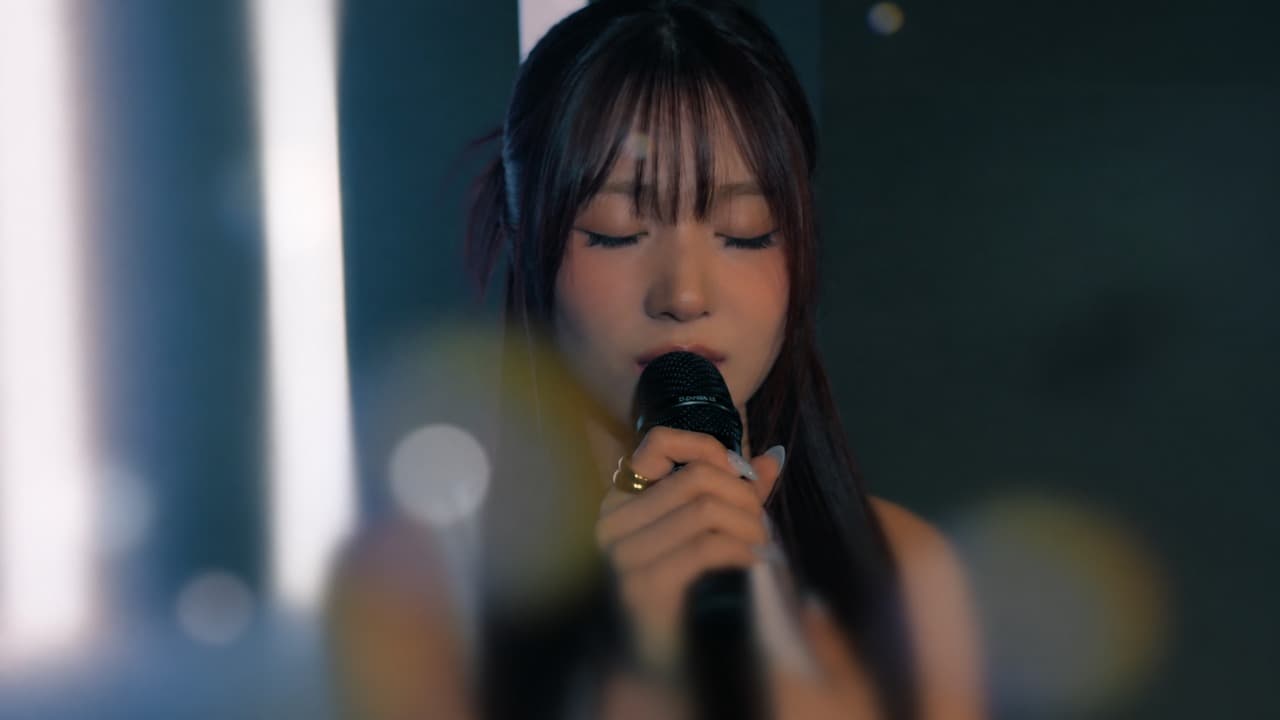
Hat:q's new music video for "Life Goes On" turns an ordinary day into a quietly cinematic pop moment. Featured on Stone Music Entertainment's official YouTube channel, the video introduces a song built around a feeling many listeners know well: the strange blur between wanting to keep moving and wanting to slow down. Rather than presenting a comeback through spectacle alone, Hat:q uses the release to frame daily life as something worth noticing, especially in the small hours when sunlight softens, the day fades, and a person finally has room to recognize what they have been carrying.
The official description positions "Life Goes On" as a song born from a familiar emotional contradiction. The narrator wants to live busily, but also longs for comfort. The track turns that inner push and pull into a scene of warm daylight, evening color and passing thoughts. That makes the release especially suited to a music-video format. The visual can do what a short announcement cannot: it can let viewers sit inside the mood of the song before they think about chart placement, playlist adds or release-cycle strategy.
For global K-pop and Korean indie-pop listeners, the appeal is also in scale. Not every new Korean music video arrives as an arena-sized event, and not every artist needs that shape. "Life Goes On" uses a smaller emotional frame, but that can be a strength on YouTube, where listeners often discover songs by atmosphere first. A title, a thumbnail, a few seconds of melody and a recognizable feeling can be enough to pull a viewer into a new artist's world.
A Release Built Around The Texture Of Daily Life
The key idea behind "Life Goes On" is not complicated, and that is exactly why it works as a pop premise. Hat:q is describing the ordinary emotional weather of a day: the unclear border between beginning and ending, the fatigue of moving quickly, and the quiet wish to pause. The Korean description does not sell the song as a dramatic confession. It presents it as a moment of recognition, the kind that arrives when a person looks at the setting sun and realizes another day has passed.
That emotional accessibility gives the track room to travel beyond language. A listener who does not understand Korean can still understand the visual grammar of sunlight, sunset and routine. The title "Life Goes On" also gives international viewers a clear entry point. It suggests continuity rather than crisis, acceptance rather than escape. For an artist working through official music-channel exposure, that clarity matters because the first impression must be immediate.
The music credits point to a collaborative studio process. The release lists Knoah as executive producer and producer, with lyrics by G-sta and Hat:q, composition by Dash. K, and arrangement by G-sta, Knoah and MK. The session lineup adds another layer of warmth: Kang Su-ho on drums, Kim Se-jun on bass, Heo Seok on electric guitar and Eom Ga-eun on keyboard. Those details suggest a track designed with live instrumental color rather than a purely digital frame.
That is important because the song's stated theme depends on texture. A lyric about ordinary time can feel thin if the arrangement does not support it. Here, the credits imply a grounded sound world, one where rhythm section, guitar and keys can mirror the motion of a day. Even before listeners debate genre labels, the production team is setting up a piece that should feel lived-in.
The recording and post-production notes also help explain the polished finish. Session recording took place at The Vive Studio, vocal recording and editing were handled at Layback Studio by Seo Min-gyu, and mixing and mastering were completed at NEWBAY Studio by Jeong Sang-jin. For a release promoted through Stone Music's platform, those credits give the video a professional context and make clear that the project is being presented as a finished musical statement rather than a casual upload.
Why The Stone Music Platform Matters
Stone Music Entertainment's YouTube channel functions as one of the most visible discovery windows for Korean music outside the largest agency ecosystems. When a video appears there, it gains access to an audience trained to browse new Korean releases across idol pop, ballads, hip-hop, OSTs and indie-leaning material. That context helps "Life Goes On" reach viewers who may not have searched for Hat:q directly but are open to a mood-driven Korean track.
The platform also shapes how the release is read. A YouTube upload is not only a distribution link. It is the first public package: title, thumbnail, description, metadata, credits and comments all become part of the audience's first understanding. By placing the emotional explanation near the top of the description, the release invites viewers to hear the song through a specific lens before they press replay. It tells them that this is a song about the ordinary day, the desire for comfort and the small act of noticing time as it passes.
For emerging or less globally familiar artists, that kind of framing is valuable. The global K-music audience is broad, but attention is crowded. A clear emotional concept can be more effective than a long biography because it lets the listener decide quickly whether the song fits their mood. In playlist culture, mood is often the gateway. Songs are saved not only because of a name, but because they match a time of day, a commute, a study session or a late-night walk.
"Life Goes On" seems positioned for exactly that kind of listening. It is not only asking fans to watch a video once. It is asking them to return to a feeling. The most durable songs in this lane often become companions for routine moments: mornings when the schedule feels heavy, afternoons when focus fades, evenings when a listener wants something gentle without being empty. That may be a quieter kind of success than a viral hook, but it can be meaningful.
Fan Response And Streaming Outlook
The next test for Hat:q will be whether the video's atmosphere converts casual viewers into repeat listeners. YouTube can create the first spark, but streaming platforms decide whether a release becomes part of someone's week. For "Life Goes On," the strongest path is likely through mood playlists, Korean indie-pop discovery queues and listeners who favor reflective songs over high-intensity comeback singles.
Fan reaction is also likely to center on relatability. The song's concept gives listeners a simple reason to share it: it articulates the tired but tender feeling of reaching the end of the day. That may sound modest, but in music discovery, modest feelings can travel widely when they are expressed cleanly. A listener does not need a complicated backstory to connect with the idea of wanting both movement and rest.
The credit list can further support fan engagement because it highlights the people behind the sound. For audiences increasingly interested in producers, arrangers and session players, those names make the track feel like a craft object rather than a faceless upload. The live-instrument credits may also help distinguish it from more formulaic digital releases in a crowded feed.
Commercially, the release's ceiling will depend on playlist pickup, algorithmic momentum and whether short clips from the video find a second life on social platforms. The concept is well suited to short-form captions about daily exhaustion, sunsets and quiet reflection. If fans frame the song around those moments, "Life Goes On" could gain attention gradually rather than through a single explosive wave.
The Bigger Meaning Of A Quiet MV
Hat:q's "Life Goes On" is a reminder that the Korean music pipeline is not only about major idol comebacks. The ecosystem also depends on smaller releases that give listeners emotional variety. A channel like Stone Music can place those songs in front of a larger audience, but the song still has to make its own case. Here, the case is emotional clarity.
The music video arrives with a direct promise: to capture the feelings that pass through ordinary life, the fatigue of a fast day and the comfort of watching it close. That promise is specific enough to guide the listener and broad enough to welcome many kinds of viewers. For an artist trying to build recognition, that is a useful balance.
As the video begins circulating, the most important measure may not be instant numbers alone. It will be whether listeners remember the mood and come back when they need it. "Life Goes On" gives Hat:q a soft but defined entry in the release calendar, one that treats everyday emotion as a story worth filming. In a crowded music market, that restraint may be its strongest hook.
How do you feel about this article?
저작권자 © KEnterHub 무단전재 및 재배포 금지
Entertainment Journalist · KEnterHub
Entertainment journalist specializing in K-Pop, K-Drama, and Korean celebrity news. Covers artist comebacks, drama premieres, award shows, and fan culture with in-depth reporting and analysis.
Comments
Please log in to comment