Here's What RM Admitted About Getting BTS Leadership Wrong for 9 Years
 By Im Garam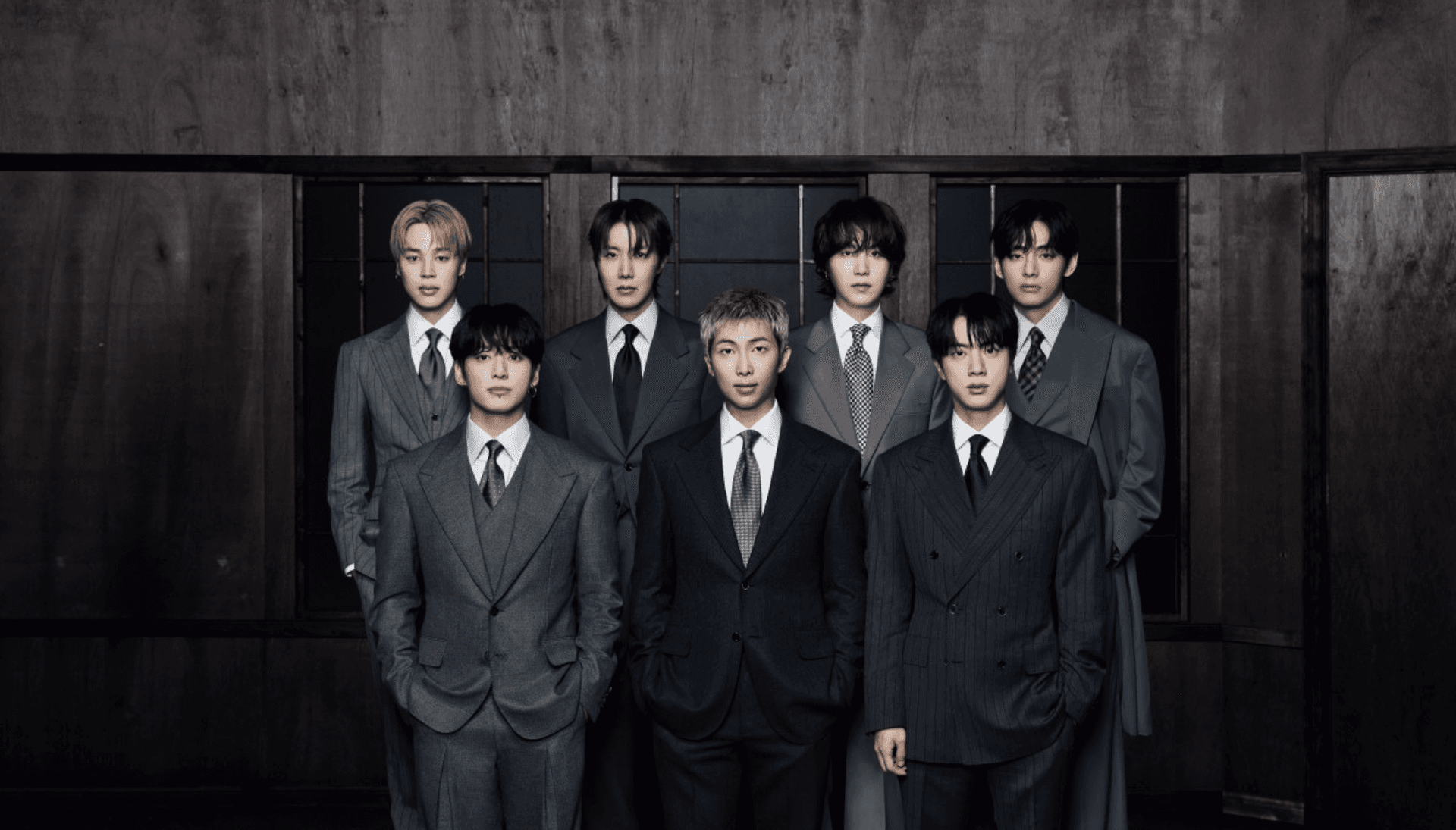
RM has spent years being the quiet force holding BTS together — but for most of that time, he was doing it the hard way. In a candid new interview, BTS's leader admitted he spent nearly a decade leading the group the wrong way, and how he finally found an approach that actually works.
The confession came during a July 22 appearance on Fashion Neurosis, a podcast hosted by British fashion designer Bella Freud. RM opened up about what it has meant to guide seven individuals — each from a different background, each with a distinct personality — toward a shared vision, and why that challenge still weighs on him after more than a decade.
The Crown Was Too Heavy to Carry Alone
RM didn't sugarcoat it. "I was too strong and authoritative as a leader for the first eight or nine years," he said, acknowledging that his early instinct was to control rather than collaborate. With seven members raised in different environments and carrying different dreams, the pressure of unifying them into one cohesive team pushed him toward a rigid style he now looks back on with some regret.
But as BTS grew — and as each member began to develop his own solo identity and voice — that approach stopped working. What the group needed wasn't someone telling them what to do. It needed someone willing to move when no one else would. RM described this shift through a simple but memorable image.
"Imagine everyone is lying on the sofa and the window is open," he said. "Someone has to close it. The person who gets up to close the window — that's what I think a leader is." It's an unglamorous definition of leadership, rooted not in authority but in quiet responsibility. Less command, more presence.
Even now, more than fourteen years after BTS debuted, RM says the role isn't easy. "It's still hard," he admitted — three words that carry weight coming from a man who has helped navigate one of the most successful and scrutinized musical acts in modern history.
Half a Lifetime, One Team
What keeps RM going is harder to define than any chart position. He told Freud that he has spent roughly half his life alongside his bandmates — and that those relationships have become something closer to family than colleagues. "I've spent half my life with the members," he said. "They're my second family."
He also revealed what cuts through the stress most effectively: hearing from the members themselves that they're glad he's their leader. "When they tell me they're happy that I'm their leader, all the stress disappears," RM said. It's a reminder that the bond inside BTS isn't purely professional — and that the emotional stakes are real, even as the scale of what they've built has become nearly impossible to comprehend from the outside.
These reflections come as BTS is riding one of the most dominant runs of their career. Their full-group album ARIRANG, released earlier this year after a nearly four-year hiatus brought on by mandatory military service, debuted at number one on the Billboard 200 and held that spot for three consecutive weeks. The lead single, "Swim," arrived at number one on the Hot 100 and stayed on the chart for 17 consecutive weeks — a rare feat for any act, and a statement that the group's appeal had only deepened during their time apart.
European Tour Sets a New Record
The numbers from their current world tour are equally striking. BTS recently wrapped ten shows across five European cities, drawing a combined audience of 717,000 fans. Two nights at the Stade de France in Saint-Denis, France drew 92,000 attendees per show — setting a new record for the largest single-concert crowd in BTS history. These aren't just attendance figures; they're a signal that BTS's return from military service didn't just restore their momentum. It amplified it.
The scale of that comeback — and the internal dynamics that made it possible — is now being explored in a new Netflix documentary. BTS: The Return, set to premiere on July 27, offers an inside look at the making of ARIRANG, including the Los Angeles songwriting camp where the album took shape over several intense months of collaboration. In the film's trailer, members speak with unusual frankness about the pressures of being BTS in 2026. "We shouldn't hear people saying 'BTS is done,'" Jimin says at one point. J-Hope admits he sometimes feels like music has become more like a factory than a creative outlet. Jin simply says, "It's a lot to handle." Jungkook adds that he doesn't see himself as particularly exceptional — a rare moment of self-doubt from one of the group's most confident performers.
A Documentary That Goes Beyond the Music
What makes BTS: The Return compelling isn't just the behind-the-scenes footage of album sessions — it's the honesty. Members who have spent years projecting confidence and energy in public settings are shown grappling with doubt, fatigue, and the existential question of what it means to still be BTS after all these years. RM sums it up plainly in the trailer: "I've been trying to figure out what makes us BTS."
The documentary was directed by Bao Nguyen, whose previous credits include the acclaimed music documentary The Greatest Night in Pop about the making of "We Are the World." Nguyen described the film not as a making-of project, but as "a story about brotherhood, about another kind of family — about finding themselves in the world." The film premieres globally on Netflix on July 27 at 4 PM KST.
For ARMY — the dedicated global fanbase that has followed BTS through their earliest days, through historic chart breakthroughs, through nearly four years of military enlistment and waiting, and now through this reunion — RM's reflections add another layer to a story that has always been about more than music. The group that grew up in public is still growing. And its leader is still learning how to carry the weight of the window that always needs closing.
How do you feel about this article?
저작권자 © KEnterHub 무단전재 및 재배포 금지
Music Charts & Data Analyst · KEnterHub
Music data analyst turned journalist. Im Garam covers K-pop through the numbers — chart performance, album sales, streaming milestones and touring economics — and writes the deep-dive reviews and industry analyses that put those numbers in context.
Comments
Please log in to comment