HIGHLIGHT Reclaims BEAST and Resumes Identity: What the Trademark Settlement Meant After the Comeback
Nine years after leaving Cube Entertainment, the group reaches a deal to perform as BEAST again — with 'Endless Ending' dropping April 16 as their first release under the original name
 By Park Chulwon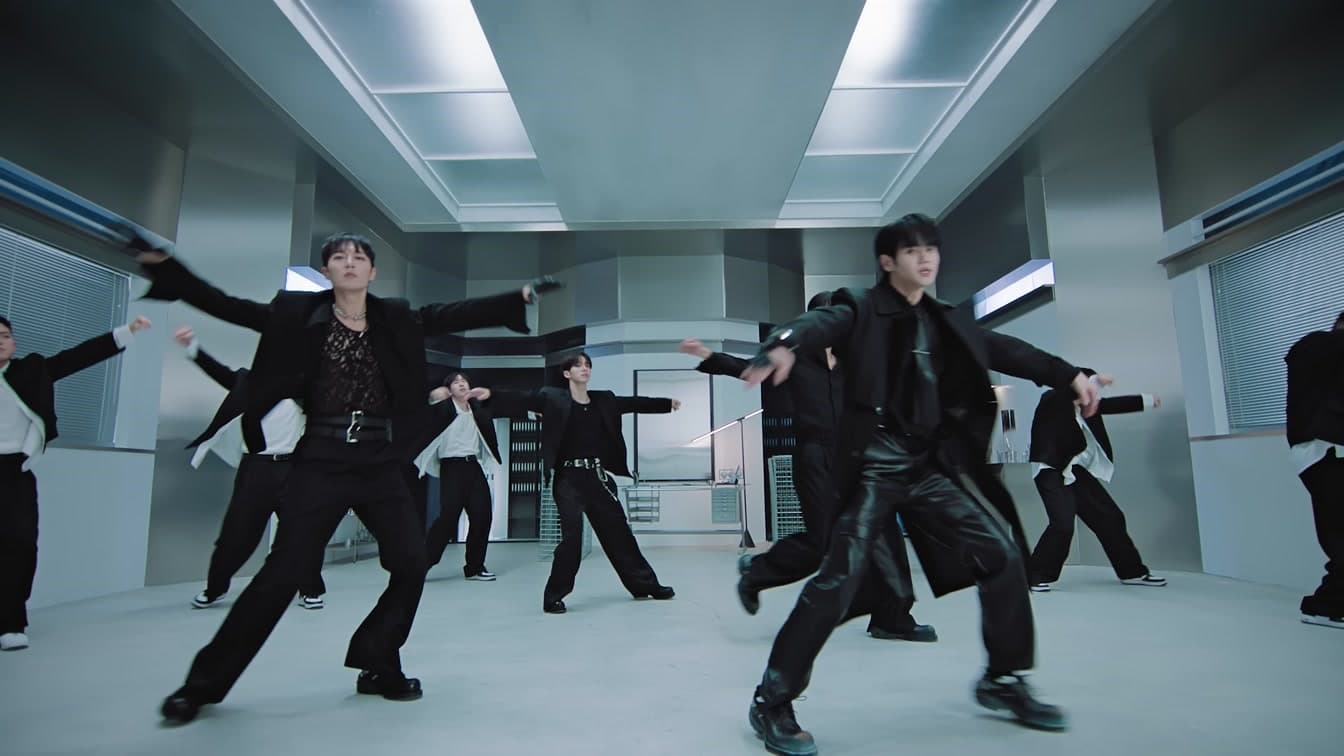
HIGHLIGHT reached a trademark agreement with Cube Entertainment on April 2, 2025, reclaiming the right to perform as BEAST (B2ST). That agreement was framed as a legal correction for artists who had built a legacy under another name for nine years, and it set a new baseline for K-pop name-rights disputes.
From that point, the group did not just announce intent: it moved from rights language to actual market activity. The pre-release single "Endless Ending" arrived under the BEAST name first, followed by the mini-album era title "From Real to Surreal", confirming the return to the original identity in recorded releases.
Who BEAST Was — and What Highlight Lost When They Left
BEAST debuted in October 2009 under Cube Entertainment with six members: Yoon Doojoon, Yong Junhyung, Yang Yoseob, Lee Gikwang, Son Dongwoon, and Jang Hyunseung. They became one of the defining second-generation boy groups of the 2010s through a recognizable, emotional K-pop signature and steady chart retention across releases.
In 2016, when contracts ended, four members chose to continue under their own label. Because Cube retained the BEAST trademark, they continued as Highlight. The rebrand was efficient from a legal standpoint, but it also separated the group from accumulated identity equity built into the BEAST brand.
Legal Framework: What the Agreement Changed
Trademark disputes in K-pop often force group branding away from creators’ histories. The BEAST case remains one of the most visible examples of why this still happens. The agreement restored name access and opened the path for BEAST-branded releases tied back to the group’s older catalog context.
From a practical perspective, the return to the original name also changed how future releases are positioned in both fan memory and platform discovery: BEAST-branded music can now sit in direct continuity with the group’s legacy profile rather than remaining split under a rebrand name.
What the Resolution Means for K-Pop Ownership Debates
In practice, this dispute reflects a wider structural challenge: group-name ownership has historically favored agencies, and recovery can be structurally costly for artists who leave. This case does not erase that imbalance, but it demonstrates that agency and artist interests can re-align when commercial and fan pressure converge with sustained audience support.
The 2025/2026 release cycle after the settlement, including BEAST-branded music activity, has made the legal win visible to both existing fans and wider industry observers.
Update (2026)
Updated 2026-06-15: Since the agreement, the group has proceeded with activity under BEAST for the comeback cycle, including releases and promotional activity linked to the "From Real to Surreal" campaign. This update reflects a completed brand transition phase rather than a hypothetical or planned change.
Updated 2026-06-15: This article has been updated to reflect implemented BEAST comeback developments after the April 2025 trademark settlement.
How do you feel about this article?
저작권자 © KEnterHub 무단전재 및 재배포 금지
Entertainment Journalist · KEnterHub
Entertainment journalist focused on Korean music, film, and the global K-Wave. Reports on industry trends, celebrity profiles, and the intersection of Korean pop culture and international audiences.
Comments
Please log in to comment