How BTS Turned OKDONGSIK's Pork Soup Into K-Pop's Most Powerful Food Diplomacy Moment of 2026
When Jin, RM, J-Hope, and V chose a Michelin-listed gomtang restaurant for their NYC comeback dinner, they proved that K-pop and K-food now share the same road
 By Jang Hojin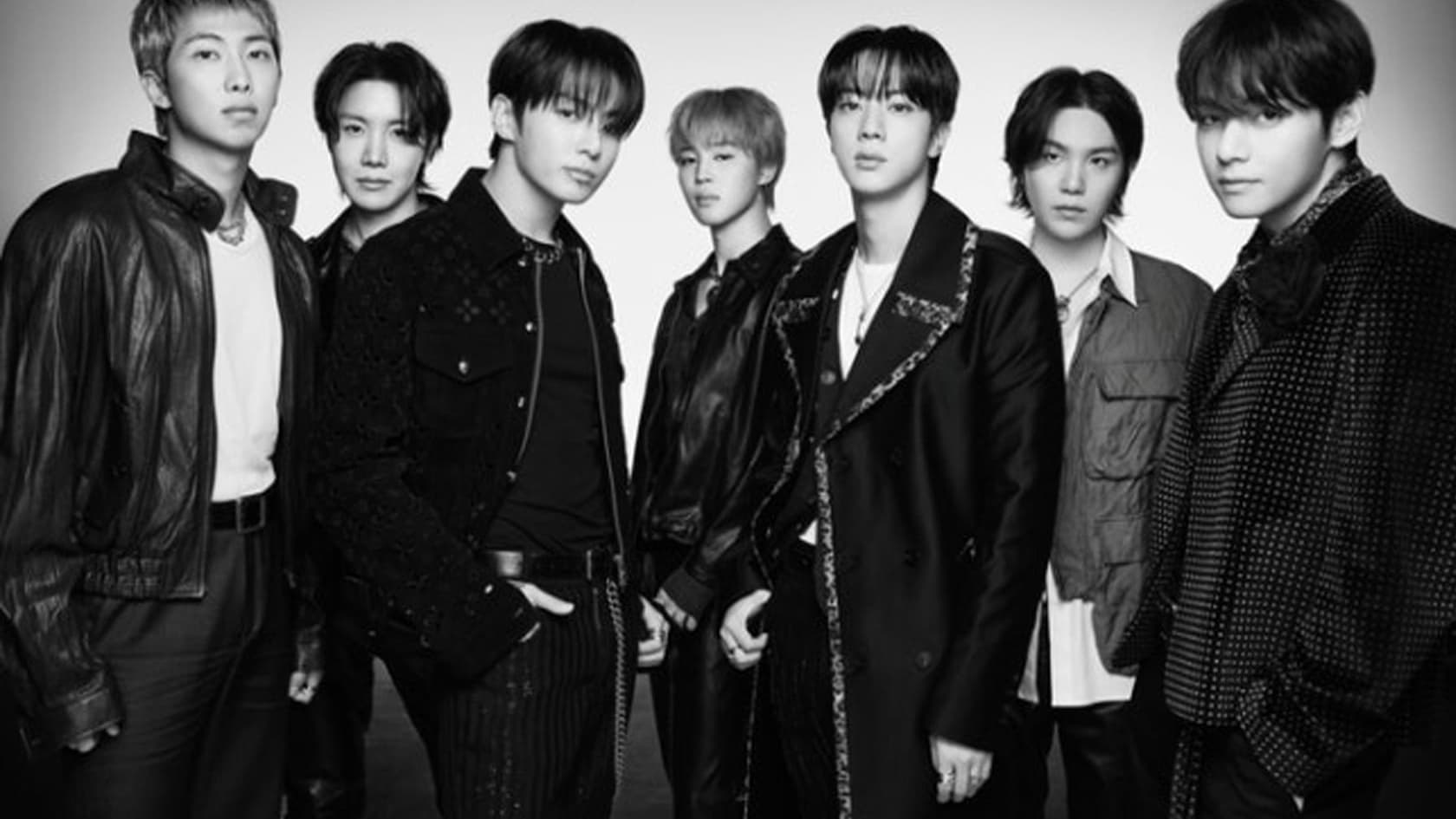
When Jin, RM, J-Hope, and V walked into OKDONGSIK's Manhattan location on March 23, 2026, they weren't just grabbing a late-night bowl of soup. They were completing a cultural loop that had been building quietly for years — the moment where K-pop's global reach and Korean fine dining's international ambitions finally converged in a single bowl of pork gomtang.
The visit came hours after the group's "Spotify X BTS: Swimside" fan event at Pier 17 in Manhattan, one stop in a breathtaking global comeback that swept Seoul, New York, and London in a single week. The stadium moments dominated the headlines, as they always do. But it's the quieter scene — four members in casual clothes, choosing a Michelin-listed pork soup restaurant in Koreatown — that reveals something more significant about how Korean culture actually travels the world.
BTS did not stumble onto OKDONGSIK by accident. According to chef and founder Ok Dong-sik, the visit was arranged in advance through the group's management, and he noted that one member had developed an interest in the restaurant after watching Netflix's Culinary Class Wars Season 2, where Ok appeared as a competitor. That connection — organic, unsponsored, rooted in genuine enthusiasm — is precisely what makes it so culturally significant. In 2026, K-pop and K-food are no longer parallel tracks. They are the same road.
From Hapjeong Side Street to Manhattan Koreatown
OKDONGSIK is not built on innovation or spectacle. It is built on one of Korea's most unglamorous dishes — pork gomtang, a milky-white broth simmered from pig bones, served simply with rice and kimchi. Chef Ok Dong-sik opened the original Seoul location in Hapjeong, Mapo District, in 2016 with a singular ambition: to demonstrate that one humble dish, executed with obsessive precision, could earn the same recognition as any high-concept tasting-menu restaurant in the city.
The Michelin Guide agreed. OKDONGSIK has been listed in the guide every year since 2018 — eight consecutive selections — an achievement that speaks to something rare in Seoul's hyper-competitive dining landscape: consistency over novelty. Other restaurants chase each new trend; OKDONGSIK just keeps making the same bowl of gomtang, and keeps getting better at it.
The international breakthrough came through Netflix. Chef Ok's appearance on Culinary Class Wars Season 2 introduced his story — and the concept of pork gomtang in New York — to an audience of millions globally, many of whom overlapped directly with K-pop fan communities already primed to celebrate Korean cultural exports. The restaurant went from Michelin-listed gem to international viral sensation before its NYC outpost had even officially opened. A pop-up launched in November 2025 tested the waters. The demand justified a permanent Manhattan location, scheduled to open in April 2026, just weeks after BTS's visit put the restaurant on every ARMY's radar simultaneously.
The Numbers Behind Korea's Culinary Soft Power
The BTS-OKDONGSIK moment fits into a larger structural shift that the Korean food industry has been quietly documenting. Korea's Ministry of Agriculture reported approximately a 10% increase in agri-food exports in 2025 alone, building on a multi-year trend driven by what analysts are calling the Hallyu food effect. The number of overseas outlets opened by Korean food companies has grown by roughly 25% since 2020 — a period that maps almost exactly onto K-pop's most explosive phase of global expansion.
These are not coincidental numbers. They reflect a deliberate interplay between entertainment and commerce that Korean brands have become increasingly sophisticated at navigating. But OKDONGSIK's case is different: no agency brokered the BTS connection. It emerged organically through a Netflix cooking show, a fan recommendation, and a group that chooses where to eat based on what they actually want.
That authenticity is the key variable. When K-pop stars endorse products through paid partnerships, the commercial uplift is real but clearly transactional. When BTS chooses to spend a post-concert evening at a Koreatown gomtang shop — and the chef reveals it was inspired by one member's viewing habits — the story carries the kind of credibility that no marketing budget can manufacture.
Why This Bowl of Soup Matters Beyond the Headlines
Chef Ok Dong-sik's own biography amplifies the resonance. A high-achieving student who once dreamed of becoming a doctor or pilot, he was redirected into culinary school during the 1997 IMF financial crisis — a national trauma that reshaped a generation's career trajectories. He worked up through hotel kitchens to become a senior executive chef, then left a stable position to bet everything on a humble bowl of pork soup that everyone around him reportedly advised against.
He opened anyway. The Michelin Guide found him within two years. Culinary Class Wars turned his story into television. BTS came to dinner. This is the kind of narrative arc — adversity, conviction, delayed recognition, sudden global visibility — that K-pop fan culture processes and celebrates instinctively. OKDONGSIK's story, told through the lens of the BTS visit, reads less like a restaurant profile and more like a K-drama about food.
By 2026, OKDONGSIK has expanded to six cities: Seoul, New York, Hawaii, Tokyo, Paris, and Los Angeles. That trajectory mirrors not Korean fine dining's historically cautious international path, but K-pop's own expansion playbook — build a loyal core audience, create a compelling narrative, then follow that audience wherever they live.
The Fans, the Restaurant, and the Feedback Loop
Within hours of Chef Ok confirming the BTS visit on his own channels, OKDONGSIK NYC began trending across K-pop fan communities. U.S.-based ARMY fans discussed visiting the restaurant, with many noting the serendipitous timing: a permanent NYC location opening in April 2026, just as BTS's comeback had placed Korea at the center of global cultural conversation. The restaurant could not have scripted a better launch window.
This feedback loop — K-pop fame generating food tourism, food tourism reinforcing Korea's cultural prestige, cultural prestige attracting new K-pop fans — has become one of the defining mechanisms of Korean soft power in the mid-2020s. The 2025 Global Hallyu Trend Analysis Report, released by Korea's Ministry of Culture, analyzed over 1.5 million data points across 30 countries and found that K-food was gaining momentum globally even as K-pop remained the leading Hallyu force. The key conclusion: the two categories are increasingly feeding each other's growth rather than competing for the same space.
A Michelin restaurant visit by BTS creates a news cycle. That news cycle creates reservations. Those reservations create revenue. That revenue funds expansion. The expansion puts Korean food in front of more people globally. The cycle repeats — and each iteration compounds.
What Comes Next
For Korean food entrepreneurs watching this story unfold, the strategic lesson is clear: getting your narrative into spaces where K-pop audiences congregate — Netflix, fan communities, behind-the-scenes content — may be the most cost-effective marketing strategy available in 2026. Organic discovery through shared cultural platforms creates something that paid endorsements cannot: genuine community ownership of a brand story.
BTS's global comeback continues to generate cultural momentum, with a UK number-one album and Netflix's BTS: The Return documentary drawing new international audiences. Each beat of the comeback creates fresh opportunities for the broader cultural ecosystem — restaurants included — to gain global visibility.
For OKDONGSIK specifically, April's permanent NYC opening now carries the implicit endorsement of one of the world's most followed music groups, at zero cost to either party. The chef's pork gomtang earned eight Michelin listings entirely on its own merits. But in 2026, it took four members of the world's most recognized K-pop group choosing it for a quiet post-concert dinner to make the world want a bowl. Korean soft power has never tasted better.
How do you feel about this article?
저작권자 © KEnterHub 무단전재 및 재배포 금지
Entertainment Journalist · KEnterHub
Entertainment journalist specializing in K-Pop, K-Drama, and Korean celebrity news. Covers artist comebacks, drama premieres, award shows, and fan culture with in-depth reporting and analysis.
Comments
Please log in to comment