How Choi Woong Turned Celebrity Tennis Serious
The actor’s reported open-division win shows why Korean celebrity sports culture is becoming more competitive.
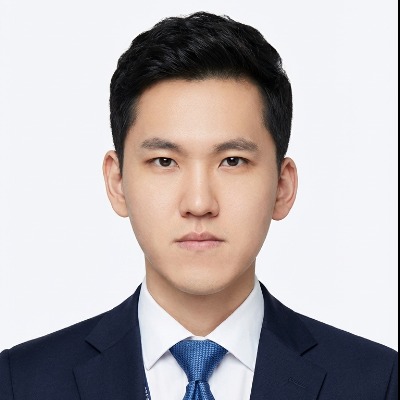 By Park Chulwon
Choi Woong’s tennis win is not just another celebrity hobby story.
The Korean actor, known for appearances in dramas including Guardian: The Lonely and Great God, Descendants of the Sun and 100 Days My Prince, has reportedly won the open division at the Yangpyeong Okcheon Cup after roughly four and a half years of tennis training. The May 31 victory, earned in doubles with South African coach Andy, comes one year after Choi drew attention for becoming the first male celebrity reported to win a national amateur rookie-division title. This article analyzes why Choi’s latest result matters: it shows how Korean celebrity sports culture is moving from image-building hobbies toward measurable participation in serious amateur competition.
The phrase “celebrity tennis” usually sounds light. It suggests charity matches, variety-show rallies or social-media snapshots from private courts. Choi’s result belongs to a different category because the open division is described by Korean reports as a level where former elite players, college or high-school player backgrounds and coaching-level competitors can appear. That makes the win less about a famous face holding a racket and more about whether entertainment figures can cross into a competitive sports community without being treated as guests.
From Rookie Division To Open Division
Choi’s tennis arc has a clear ladder. In 2025, reports said he placed third in a national rookie-division event, then won the KATA NH All One Bank Amateur Tennis Open rookie division in men’s doubles at Namyangju Army Academy courts. That title was widely framed as a first for a male celebrity and moved him up toward the open division.
The 2026 Yangpyeong Okcheon Cup result changes the scale of the story. Rookie division success can still be read as a strong recreational achievement. Open division success is different because it suggests the player can survive pace, tactics and pressure against opponents with deeper tennis backgrounds. So what? It turns Choi’s athletic image from a promotional side note into a record that amateur tennis audiences can evaluate on their own terms.
There is also a time factor. Reports say Choi reached this point after about four years and six months of playing tennis, while continuing acting work and training around professional schedules. That number matters because it makes the achievement feel earned rather than accidental. In recreational sport, consistency is the hidden statistic. The visible trophy arrives after years of invisible court hours.
Why The Open Division Signal Matters
But the division label alone does not tell the full story. Korean amateur tennis has its own status system, with players moving through experience tiers and tournament results. For a celebrity, entering that ecosystem creates a credibility test: the player must be judged by score, partner chemistry and match management, not by screen recognition.
Choi’s doubles partnership with coach Andy is important here. Doubles success is not simply about one athletic player overpowering opponents. It requires positioning, communication, serve-plus-one patterns, net decisions and the ability to protect a partner under pressure. Reports praised the pair’s tactical rhythm and focus in difficult moments. That matters because doubles exposes whether a player understands match flow or only has clean-looking strokes.
The win also lands in a broader celebrity-tennis wave. Actor Hong Soo-ah has been repeatedly cited in Korean reports for strong women’s amateur results, while performers such as Park Eun-seok have appeared in international or exhibition tennis contexts. These stories have helped tennis become a more visible lifestyle sport among entertainers. Choi’s open-division win raises the bar: instead of using tennis as a fashionable image, the celebrity has to meet the sport’s competitive hierarchy.
The Entertainment Value Of Real Difficulty
That difficulty is why fans respond. Celebrity sports stories often work because they make public figures seem disciplined and human. A drama role is curated. A match is less controllable. Even in amateur tennis, a weak second serve, mistimed poach or nervous return can immediately reveal the gap between image and skill.
Choi’s screen career gives the result a useful contrast. He debuted as a Bacchus commercial model in 2011 and built a steady acting filmography across dramas and film, rather than being known primarily as an athlete. The tennis result therefore adds a second public identity without replacing the first. It suggests a performer using off-screen discipline in a space where fame cannot win points by itself.
There is a market angle, too. Tennis has become a social sport with strong visual appeal in Korea, supported by court communities, gear culture and celebrity visibility. But a serious result helps the trend avoid becoming only aesthetic. When a recognizable actor wins at a higher amateur level, casual fans may enter through celebrity curiosity, while tennis fans can still debate the quality of the achievement. That overlap is where cultural impact happens.
What Comes Next For Choi Woong
Choi has reportedly said his current goal is to win a ranking open-division tournament. That is a useful next benchmark because it prevents the story from ending at one headline. A ranking event would test whether the Yangpyeong result can become part of a sustained competitive record.
The outlook is promising but should stay measured. The “first celebrity” language in Korean reports is framed as reported or known within the coverage, not as a formally audited national record. Still, the direction is clear. Choi Woong’s tennis rise matters because it shows a celebrity crossing from recreational branding into a results-based amateur sports ladder. If he keeps competing, the next story will not be whether an actor can play tennis. It will be how far a serious amateur can climb while the public happens to know his name.
Why The Timing Helps The Story Travel
The timing of Choi’s result also explains why it can move beyond a small sports note. Korean entertainment audiences are used to seeing actors reveal fitness routines, golf swings, boxing sessions or dance practice clips. Those images are usually framed as lifestyle proof: the star is disciplined, healthy and hard-working. Tennis gives the same signal, but with a more visible competitive ladder. A trophy in an established amateur division is easier to understand than a gym mirror photo.
That visibility matters for an actor whose public profile has been steady rather than explosive. Choi is not being introduced through one viral drama role here. He is being reintroduced through persistence. The tennis story lets readers connect his acting career to a second discipline that demands repetition, patience and a tolerance for losing points in public. So what? It refreshes a celebrity profile without needing scandal, romance or casting speculation.
It also fits a broader shift in how Korean entertainment news packages achievement. Fans increasingly respond to stories that show process, not only status. A casting announcement says an actor has a new job. A tournament result says an actor has been working at something when cameras were not necessarily focused on him. That difference is why the open-division detail carries weight. It creates a story of private effort becoming public evidence.
What Amateur Tennis Adds To Celebrity Branding
Tennis is especially useful for celebrity branding because it sits between elegance and endurance. It looks stylish in still photos, yet the game itself punishes poor timing, bad footwork and weak concentration. That dual quality makes it attractive for actors, models and entertainers, but it also makes serious results harder to fake. A player can look good holding a racket for a campaign. Winning against trained amateurs is another matter.
For Choi, the reported path from rookie division to open division gives the story structure. A one-time celebrity match can disappear quickly. A sequence of results creates continuity: third place, rookie title, open promotion, open title. Each step gives readers a reason to believe the next one was not random. This is the same logic that makes sports documentaries compelling. Audiences do not only want the final score; they want the climb that made the score feel inevitable in hindsight.
The doubles format also expands the branding story. Singles tennis often celebrates individual dominance, but doubles rewards listening, anticipation and shared risk. For an actor, those traits translate neatly back to the screen. Acting is collaborative. A scene depends on timing with another performer, just as a doubles point depends on spacing and communication. The comparison should not be overstated, but it helps explain why the story feels compatible with Choi’s main profession rather than separate from it.
The Limits Of The Claim
Still, the reporting needs careful language. Korean articles describe Choi’s result as a first or as the first known celebrity case at this level, but amateur tennis does not always maintain a single public database that entertainment readers can easily audit. That is why the strongest version of the claim is not “unquestionably unprecedented.” It is that Choi has been reported by Korean outlets as reaching a rare celebrity milestone in a serious amateur tier.
That distinction protects the analysis from hype. The real significance does not depend entirely on an absolute record. Even if another entertainer somewhere had quietly reached a comparable result, Choi’s achievement would still matter because it is visible, recent and linked to a documented progression from 2025 to 2026. The public effect comes from the combination of recognizability, competitive level and repeat coverage.
There is another limit: this is still amateur sport. Choi’s victory should not be confused with a professional tennis breakthrough. The better interpretation is more specific. He has crossed a credibility threshold inside recreational competition, and that is exactly why the story works. It keeps the scale human. The achievement is impressive because it feels difficult yet reachable enough for ordinary tennis fans to understand.
How This Could Influence K-Entertainment Coverage
Choi’s win may encourage more entertainment coverage of celebrity sports as performance rather than pastime. That would be a useful shift. Instead of only asking which stars play tennis, golf or soccer, coverage can ask how they train, what level they compete at and whether their results improve over time. The focus becomes discipline and community participation, not just aesthetics.
That approach could also benefit smaller sports communities. When a celebrity enters a real amateur event, the sport gains attention from readers who might not otherwise follow tournament structures. Tennis clubs, coaches and local events can become part of the cultural conversation. The challenge is to keep that attention respectful. Celebrity coverage should not crowd out ordinary competitors who make the event possible.
For Choi, the next year will define whether this remains a bright anecdote or becomes a durable second lane in his public identity. A ranking open-division title would strengthen the argument that he is not merely a famous participant but a serious competitor within his available category. Even without that next trophy, the current result has already shifted the baseline. It shows that a Korean actor’s sports story can be assessed through progression, level and evidence, not only through charm.
The Practical Benchmark
The clearest benchmark now is repetition under harder conditions. One open-division title proves that Choi can peak on the right day with the right partner. A second strong result would show that his game travels across draws, venues and opponent styles. That is the point at which celebrity novelty fades and competitive expectation begins.
For readers, that benchmark is useful because it keeps the story honest. The headline is exciting, but the next question should be specific: can Choi keep producing results when opponents know his strengths, target his weaknesses and treat him as a real threat? That is where amateur tennis becomes a more serious test of celebrity discipline.
The evidence remains cumulative.
How do you feel about this article?
저작권자 © KEnterHub 무단전재 및 재배포 금지
Entertainment Journalist · KEnterHub
Entertainment journalist focused on Korean music, film, and the global K-Wave. Reports on industry trends, celebrity profiles, and the intersection of Korean pop culture and international audiences.
Comments
Please log in to comment