How EBS's The Last Humanity Cracked Netflix Top 5
Yoo Seung-ho, BIBI and Lee Eun-ji help turn a science survival experiment into one of Korea's buzziest new reality shows.
 By Park Chulwon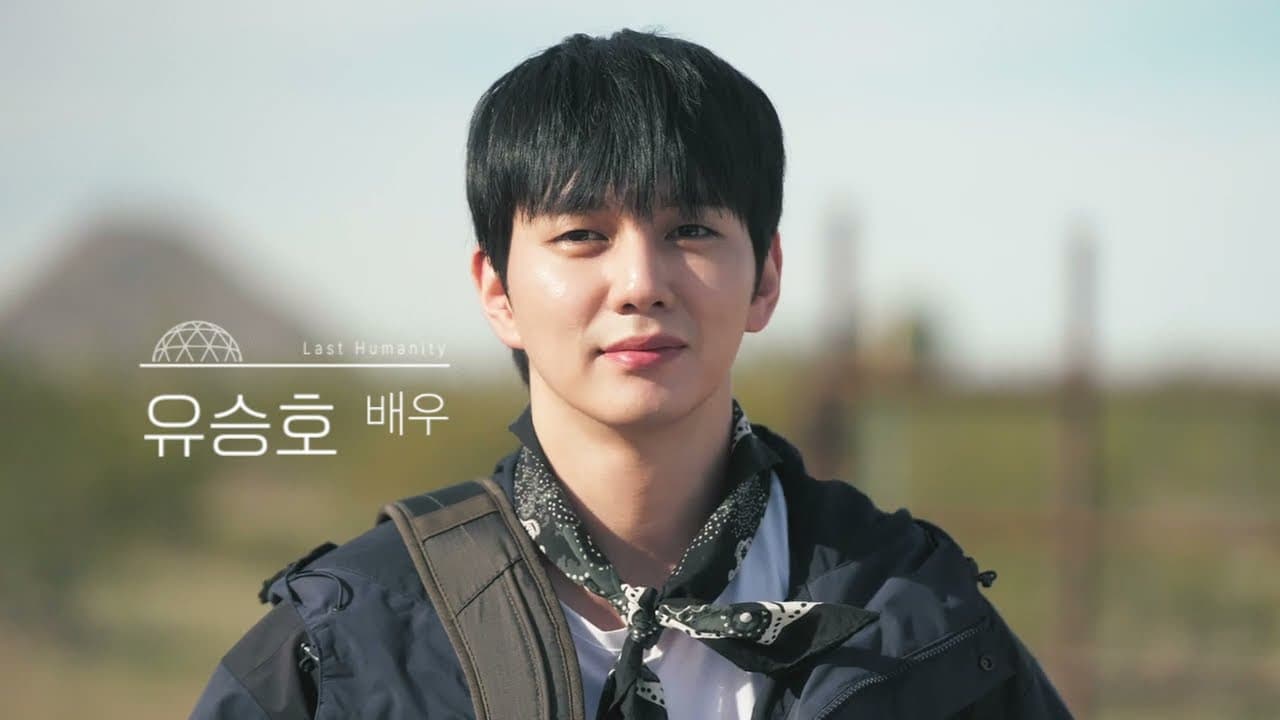
EBS has found an unlikely streaming hit with The Last Humanity, a science survival reality series led by actor Yoo Seung-ho, singer-actress BIBI and comedian Lee Eun-ji. The public broadcaster's anniversary project has climbed into Netflix Korea's daily Top 10, giving a knowledge-focused program the kind of visibility usually reserved for dramas, celebrity variety shows and big commercial formats.
The reason the rise matters is simple: this is not a standard celebrity travel show or a pure documentary. The Last Humanity asks seven cast members to survive inside a fictional future where the Earth's systems begin to fail in 2038, then turns real science into the main tool for solving each mission. For international viewers who know Korean entertainment through K-dramas, idol content or dating shows, the program offers a different lane for the Korean wave: educational television with the pace and tension of survival reality.
According to Korean reports citing EBS and Netflix rankings, the show reached No. 5 on Netflix Korea's Today Top 10 Series list on June 8 and was later described by local outlets as moving as high as the Top 4 after its first episode. That early response is notable because the list was crowded with entertainment-driven titles, including dramas and popular variety programs. EBS, long associated with public education, is suddenly competing in the same conversation as mainstream streaming releases.
Why This EBS Experiment Is Getting Attention
The Last Humanity is built around a near-future survival premise, but its hook is not just danger or celebrity discomfort. The cast must use scientific thinking to secure water, manage oxygen, understand ecosystems and make decisions under pressure. That format lets the show explain science without stopping the momentum for a lecture, which is a difficult balance for educational entertainment.
The first episode sent the seven participants into the Arizona desert, where their immediate task was to find or create drinkable water in temperatures reported to be above 40 degrees Celsius. Instead of treating the challenge as a simple endurance test, the program showed the cast wrestling with filtration, distillation and problem-solving under harsh conditions. BIBI drew attention for successfully starting a fire, earning the playful nickname of a fire girl in Korean coverage, while Yoo Seung-ho stood out for calm focus and careful decision-making.
The celebrity cast is only half of the design. Yoo, BIBI and Lee Eun-ji are joined by specialists whose backgrounds change the rhythm of the show: neuroscientist Jang Dong-sun, chemistry professor Jang Hong-je, otolaryngologist and web novelist Lee Nak-jun, and Earth scientist Kim Han-gyeol. That mix gives the program a natural source of tension. The scientists bring method and theory, while the entertainers bring instinct, humor and audience familiarity.
For overseas viewers, the cast combination also makes the concept easier to enter. Yoo Seung-ho is a familiar face to K-drama fans, BIBI has built a global audience through music and acting, and Lee Eun-ji is known in Korea for quick comic timing. Their presence gives the series a human center before the science becomes technical.
The Biosphere 2 Setting Gives The Show Its Scale
The series becomes more distinctive once the cast reaches Biosphere 2, the huge closed ecological facility in Arizona. Korean reports describe it as the world's largest closed ecosystem experiment facility, built in 1991 to test whether humans could live in a self-contained environment. Its history includes a famous two-year experiment in which eight people lived cut off from the outside while attempting to maintain their own ecological system.
That real location gives The Last Humanity more weight than a studio-built survival set. Inside the facility are different environments, including rainforest, ocean, savanna and desert areas. The second episode, scheduled for June 11 on EBS, sends the cast into the base after an alarm warns of a problem with internal pressure and a mysterious system named Noos gives them a mission to find the facility's lung.
The phrase may sound like science fiction, but the mission fits the show's larger idea. The participants are not only trying to win a game; they are learning how a living system breathes, circulates and survives. That turns the base into what Korean coverage called almost another cast member, because its hidden mechanics shape every choice the humans make.
The production scale has also become part of the conversation. Reports note that the series was filmed on location in Arizona, with EBS using the real desert and Biosphere 2 rather than relying only on sets or computer graphics. For a broadcaster best known for public-service programming, that level of location production signals a serious attempt to compete for younger viewers who expect cinematic visuals from streaming content.
From Public Broadcasting To Netflix Buzz
The Netflix ranking is the clearest sign that the strategy is working. On June 8, The Last Humanity placed fifth on Netflix Korea's daily series chart, behind titles that included dramas and entertainment programs. Some later coverage described the show as reaching the Top 4 after a single episode, suggesting that curiosity did not stop at its premiere.
EBS framed the result as proof that public-interest content can still travel when the format is strong enough. Korean outlets quoted the broadcaster as saying the response appears connected to the way the program lets viewers experience science as a survival tool rather than a list of facts. That explanation captures the show's central advantage: it makes science feel immediate, because every concept is tied to a practical problem.
The timing also helps. Korean reality programming has expanded globally through competition shows, dating formats and celebrity travel series, but science-centered reality remains less common. The Last Humanity arrives at a moment when viewers are used to hybrid formats, and it adds a climate-crisis frame that feels more urgent than a typical variety premise.
The series is not selling doom for shock value. Its fictional year of 2038 gives the story a dystopian edge, but the content keeps returning to cooperation, observation and adaptation. That makes the show accessible to fans who want entertainment, while still giving EBS room to ask larger questions about water, air, food, energy and the fragile systems that support daily life.
What Comes Next For The Cast
The next test will determine whether the show can turn early curiosity into sustained viewing. Episode 2, titled around the mission to open the base's lungs, follows the cast as they explore Biosphere 2 and look for a way to stabilize the facility under time pressure. The setup promises more teamwork, more conflict between instinct and expertise, and a closer look at the ecosystems inside the glass structure.
For Yoo Seung-ho, the program offers a chance to show a less polished side than viewers usually see in scripted dramas. For BIBI, it extends her growing presence across music, acting and variety. For Lee Eun-ji, it gives her a high-concept setting where comedy can release tension without weakening the stakes.
The broader significance is bigger than any one cast member. If The Last Humanity holds its Netflix momentum, it could encourage more Korean broadcasters to package factual themes in formats that feel native to streaming audiences. Climate, science and survival are not easy topics for casual viewing, but EBS has found a way to make them feel dramatic without stripping out their substance.
The Last Humanity airs Thursdays at 10:50 p.m. on EBS 1TV in Korea and is released on Netflix every Friday. Its early rise shows that Korean entertainment's next export story may not only come from romance, music or competition, but from a public broadcaster asking what it would actually take for people to survive together.
How do you feel about this article?
저작권자 © KEnterHub 무단전재 및 재배포 금지
Entertainment Journalist · KEnterHub
Entertainment journalist focused on Korean music, film, and the global K-Wave. Reports on industry trends, celebrity profiles, and the intersection of Korean pop culture and international audiences.
Comments
Please log in to comment