How Korean Became Global Pop Music's Newest 'Cool Language'
From Trisha Paytas to Vietnamese rap — artists worldwide are choosing Korean for the same reason K-pop once chose English
 By Park Chulwon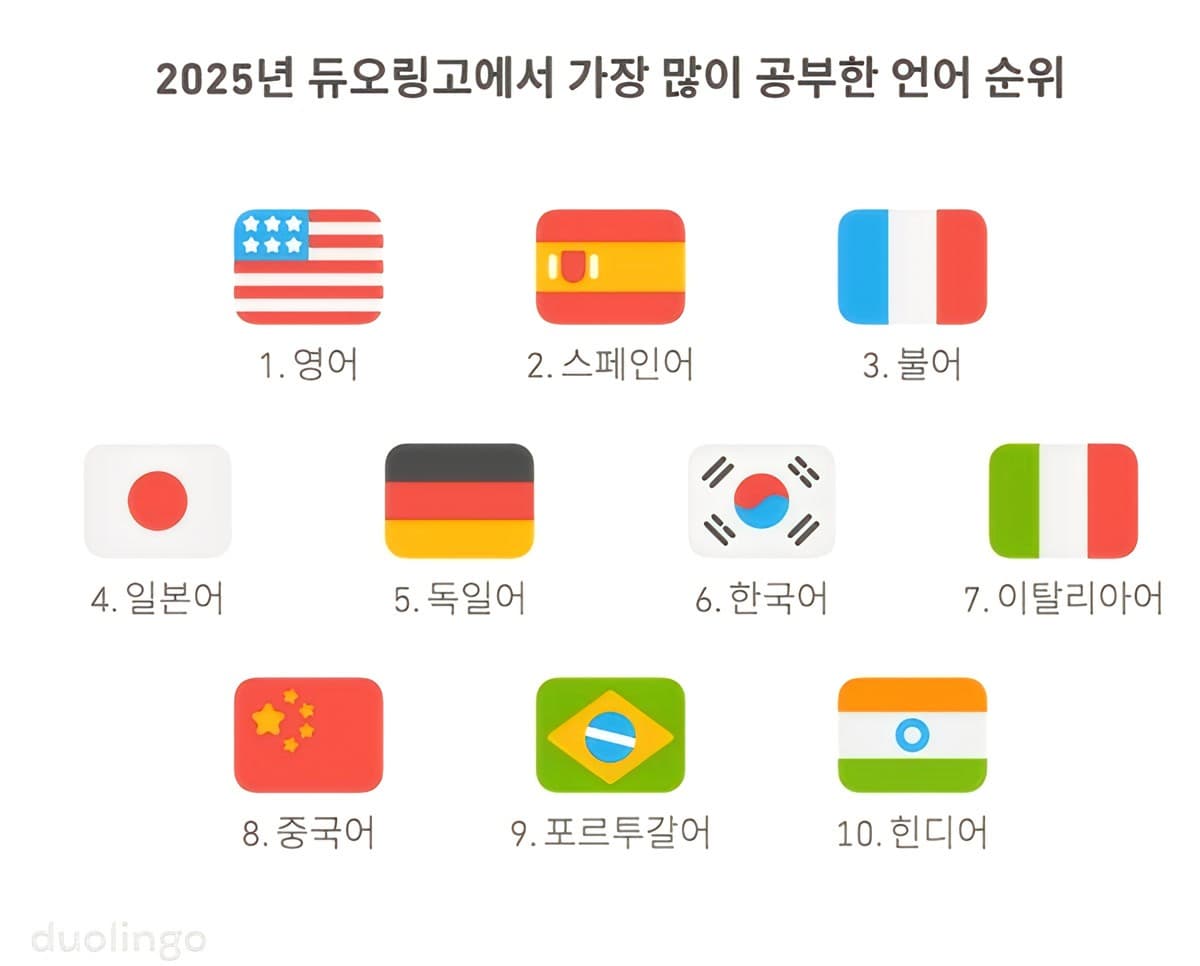
When American singer Trisha Paytas released her latest single, she did something unexpected: she sang every single word in Korean. Not a token phrase, not a catchy hook — the entire 2-minute, 4-second track, titled "사랑해" (I Love You), unfolds entirely in a language most of her Western fans have never studied. The chorus — "사랑해, 사랑해, 천 번을 말해도 부족해" — rippled across social media as fans translated the lyrics and marveled at the authenticity of the choice. The music video fills its scenes with Hangul signage. This was not a novelty stunt. It was a creative decision. And Paytas is far from alone.
Across musical cultures that share almost nothing — American pop, Japanese hip-hop, Vietnamese rap — something is quietly converging. Artists are choosing Korean not because their labels are in Seoul, but because Korean has acquired something rare and difficult to manufacture: cultural cool. The same gravitational pull that once sent K-pop idols reaching for English hooks has reversed direction. Korean has become the new aspirational language in global pop music.
From Latin to English to Korean: The History of the Musical Lingua Franca
The term "lingua franca" — literally, the Frankish tongue — describes a language adopted as a common bridge between people who share no native tongue. Latin held that role across medieval Europe. English inherited it in the modern era, becoming the default register for global commerce, diplomacy, and pop music alike. For decades, English phrases in K-pop songs signaled aspiration and international ambition. Groups like H.O.T. in the 1990s and BIGBANG in the 2000s wove English lines into their hooks to project cosmopolitan appeal to domestic Korean fans — the cool factor that English once carried.
Now that equation has inverted. Korean is being embedded in foreign-language songs not as a gesture toward Korean audiences, but as a shorthand for a specific cultural energy no English phrase can replicate. A Korean hook now carries associations: K-pop choreography, parasocial fandom intensity, the aesthetic precision of idol culture, and the vast global youth communities organized around it. For a non-Korean artist, choosing Korean is no longer a translation exercise. It is a brand signal.
Korean's rising cultural status is also measurable in language learning data. According to Duolingo's 2025 Year in Review, Korean ranked as the sixth most studied language globally — above Italian, Chinese, and Portuguese. This positions Korean not merely as a pop culture curiosity but as a language millions of people are actively pursuing, driven overwhelmingly by K-pop and K-drama content.
Three Cases Across Three Continents
The pattern emerges most clearly from three specific examples — spanning Japan, Vietnam, and the United States — each revealing a different dimension of how Korean has embedded itself into non-Korean creative cultures.
In Japan, rapper Chiba Yuuki released "안녕하세요" (Annyeonghaseyo), building the track around a repeating Korean hook. The song was produced by Korean producer Lil Moshpit — a transnational creative partnership that signals how porous the border between K-pop and neighboring music cultures has become. In a country where J-pop has historically maintained a fiercely guarded identity distinct from Korean pop culture, Chiba Yuuki's choice to anchor his hook in Korean was a quietly significant cultural move. The track generated substantial social media engagement in Japan, with the "annyeonghaseyo" hook driving both repeat listens and challenge content.
In Vietnam, the most dramatic case unfolded. Rapper SevenNight appeared on "Rap Viet" — the country's competitive rap show — and performed "괜찮아" (Gwaenchana / It's Okay), a track built around a Korean hook. The song exploded across Southeast Asian social media, and then something even more remarkable happened: K-pop idols joined the conversation. aespa member Karina participated in the "괜찮아" challenge, and her video alone accumulated 6.85 million views on YouTube. What began as a Vietnamese rap battle entry had been amplified by the very K-pop machine it was borrowing from — completing a cultural feedback loop that no one in the global music industry would have predicted five years ago.
And in the United States, Trisha Paytas's "사랑해" circulated not as a curio from a K-pop newcomer but as a decision by a well-established American entertainer with millions of followers. On social media, the song traveled across communities far beyond the dedicated K-pop fandom, reaching viewers who responded with recognition rather than confusion — people who already knew what "사랑해" meant without needing a translation.
The Industry Verdict: Korean Is the New Hit Cheat Code
Industry observers have arrived at a clear interpretation. One music insider, speaking to Korean press, described the trend directly: artists from "musical roots, systems, and sensibilities entirely different from Korea's are choosing Korean as a hit cheat code." The quote captures something precise — Korean in a pop song is not just a linguistic choice. It is a commercial calculation, a creative shorthand, and a cultural affiliation signal rolled into one.
The comparison that resonates most historically is the role English once played in K-pop. In the 2000s, Korean groups embedded English phrases — "fire," "beautiful," "let's go" — into their hooks not to reach Western audiences, but to project cosmopolitan energy to Korean listeners. That English carried specific associations: Hollywood, MTV, and the aspirational cool of Western popular culture. Today, that cultural weight has transferred. Korean now carries its own associations — fandom intensity, artistic discipline, global community — and those associations are valuable to artists who are not Korean.
The viral mechanics reinforce the dynamic. When a Vietnamese rapper chooses a Korean hook and then watches K-pop idols amplify it through their own challenge content, the song benefits from two separate fandoms simultaneously. The hook acts as a bridge, not just between languages, but between entire cultural ecosystems. That is a marketing advantage that no amount of English-language lyrics could have delivered five years ago.
What Comes Next
The trajectory points toward deepening rather than fading. Korean sitting at #6 on Duolingo's global learning charts is not a static data point — it reflects a generation of learners who grew up with K-dramas and fancams, who are now maturing into audiences and artists carrying Korean as a fluency rather than a curiosity. As that cohort grows, the appeal of Korean-language content will extend further into non-Korean creative markets.
For K-pop agencies, the implication is an unexpected secondary dividend of the Korean Wave: the language itself has become a premium cultural asset, one that non-Korean artists are now willing to work to access. For the analysts who once described Korean music as a regional genre with inherent limits, the current evidence suggests the ceiling was always imaginary. When Trisha Paytas sings "사랑해" to millions of followers and the internet responds with recognition rather than confusion, the lingua franca has not merely arrived. It has already begun its next chapter.
How do you feel about this article?
저작권자 © KEnterHub 무단전재 및 재배포 금지
Entertainment Journalist · KEnterHub
Entertainment journalist focused on Korean music, film, and the global K-Wave. Reports on industry trends, celebrity profiles, and the intersection of Korean pop culture and international audiences.
Comments
Please log in to comment