How Tzuyang’s 215-Menu Hong Kong Run Reframes Mukbang TV
The Tzuyangmyeotkki numbers show how creator-led eating content is turning into data-driven K-variety.
 By Park Chulwon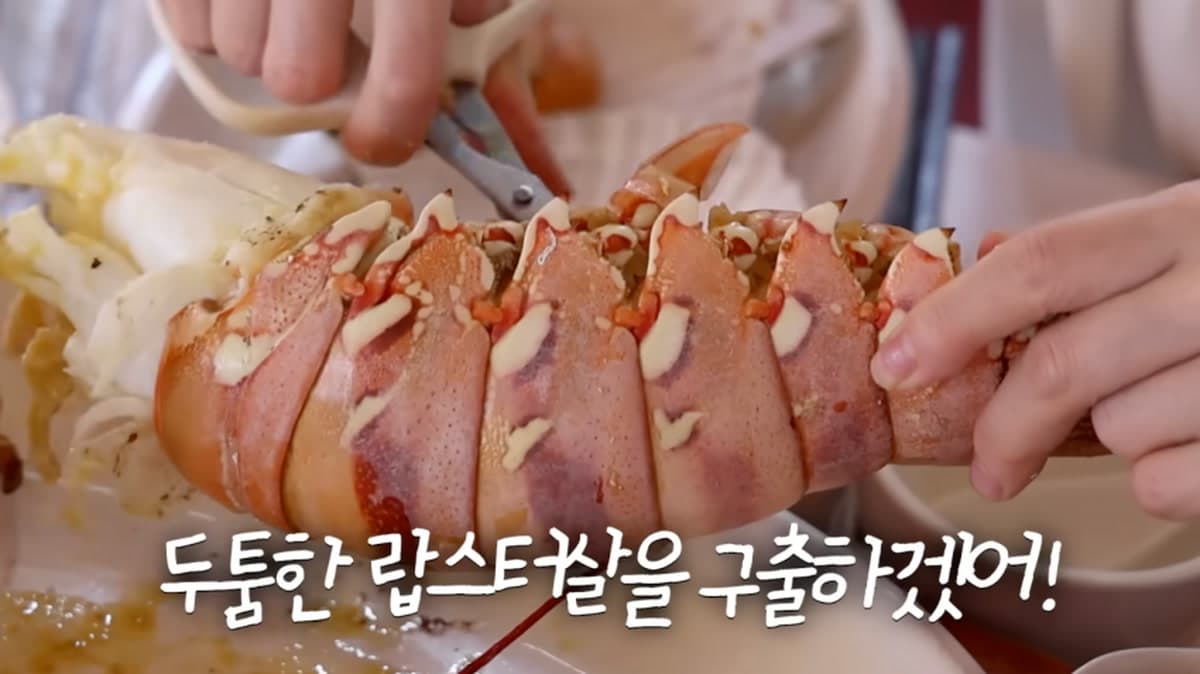
Tzuyang’s Hong Kong numbers turned a travel episode into an entertainment format case study. According to data released by NXT for the ENA, Kstar and NXT co-produced variety show Tzuyangmyeotkki, the mukbang creator and her on-screen helpers covered 25 meals and 215 menu items across a two-night, three-day Hong Kong shoot, with snacks eaten on the move excluded from the count. The headline is funny because the scale is absurd. But the bigger point is industrial: this is creator-led television translating a YouTube-native spectacle into measurable travel variety. This article analyzes why Tzuyang’s 25-meal Hong Kong run matters for K-variety, food tourism and the next phase of mukbang as a cross-platform entertainment product.
Why the Numbers Matter
The Hong Kong data gives Tzuyangmyeotkki something most food variety shows only imply: a scoreboard. NXT’s list breaks the trip into 10 meals and 59 menu items on the first day, nine meals and 66 menu items on the second, and six meals with 90 menu items on the final day. Some dishes eaten by Park Myung-soo and Jung Joon-ha were reportedly included, but the coverage around the release emphasized that most of the volume was handled by Tzuyang.
That breakdown changes the way viewers read the program. A normal travel-food show sells atmosphere, local access and host chemistry. This one sells escalation. The episode becomes a challenge format hidden inside a restaurant crawl, and every number gives the audience a reason to compare scenes rather than simply watch them pass.
But scale alone is not enough. Mukbang has always depended on excess, and excess can become repetitive quickly. The notable twist here is density: fewer meals on the final day produced more menu items. That turns consumption into pacing, which is exactly what television needs.
The Hong Kong Arc as Data-Driven Variety
The day-by-day pattern is the clearest evidence that the show is building an arc rather than collecting random meals. The final day had the fewest meal stops but the highest menu count, which means the episode’s energy moved from endurance to concentration. For a creator like Tzuyang, whose core appeal already rests on stamina and appetite, that structure gives producers a way to renew surprise without changing the basic premise.
The chart also shows why the program is easy to clip for social platforms. A viewer does not need to know every restaurant or every dish. The key story is instantly legible: the trip became more compressed, but the food count rose. That is a clean digital hook.
Creator IP Enters the TV Schedule
The format works because Tzuyang is not being inserted into a conventional show as a guest. The show is built around her creator identity. Her YouTube channel lists more than 13 million subscribers, and that scale gives broadcasters a ready-made audience expectation before the first TV episode airs. Viewers know the promise: she can eat far beyond ordinary variety-show logic.
Television then adds what YouTube alone cannot always provide: a structured cast, destination planning, broadcast rhythm and a recurring time slot. Tzuyangmyeotkki airs Saturdays at 7:50 p.m. on ENA, Kstar and NXT, placing a creator-native premise into a traditional weekend entertainment window. That is the strategic experiment. The show is not asking TV viewers to understand mukbang from scratch; it packages mukbang as travel, comedy and logistics.
There is also a useful supporting-role design. The “meokbaraji” helpers are not merely eating partners. They function as managers of impossible appetite, reacting to cost, fatigue and local recommendations. In Hong Kong, Park Myung-soo and Jung Joon-ha gave the spectacle a comedy frame. In the Tokyo arc, Choo Sung-hoon and Kim Jae-joong bring a different promise: premium restaurants, local familiarity and celebrity hospitality.
Food Tourism, Cost and the Next Hook
The move from Hong Kong to Tokyo shows how the program can scale without repeating itself. Hong Kong was framed through quantity and variety: 25 meals, 215 menu items and uncounted snacks. Tokyo is being teased through price and quality, including a preview in which Choo Sung-hoon introduces a high-end yakiniku restaurant and a chateaubriand order reportedly priced around 130,000 won for 150 grams. Related coverage said one Tokyo restaurant bill reached roughly 800,000 won.
Those numbers are more than shock value. They shift the viewer question from “How much can Tzuyang eat?” to “What happens when unlimited appetite meets premium dining?” That is a smarter sequel hook because it changes the pressure placed on the helpers. In Hong Kong, the challenge was volume. In Tokyo, the challenge becomes generosity, budget and culinary curation.
This is where food tourism enters the equation. A travel show can turn restaurants into destinations, but creator-led mukbang adds a fantasy of exhaustive sampling. Instead of choosing one signature dish, the host appears to consume the whole menu. For tourism-minded viewers, that creates a strange but effective map: not a realistic itinerary, but a maximum-intensity preview of what a city can offer.
The Risk Behind the Spectacle
The format still has a vulnerability. Mukbang’s global popularity has always carried debate around overconsumption, health and food waste. Academic and public-health discussions often note that eating-broadcast content can be entertaining and socially comforting, but also controversial when excess becomes the main appeal. Tzuyangmyeotkki cannot ignore that context forever.
The show’s best defense is transparency and framing. By releasing the data, acknowledging that some items were shared, and turning the “helpers” into comic witnesses rather than silent enablers, the program gives viewers a way to process the absurdity as production design. That does not remove every concern. It does make the format more readable as variety entertainment rather than a simple binge spectacle.
The Hong Kong count therefore matters because it gives K-variety a replicable template. Start with a creator whose digital identity is already clear. Add a city with strong food culture. Build the episode around measurable escalation. Then use celebrity helpers to convert appetite into story. If the Tokyo arc can turn higher prices and premium menus into a fresh version of the same engine, Tzuyangmyeotkki may become more than a novelty. It could become a working model for how Korean television absorbs creator IP without losing what made it popular online.
How do you feel about this article?
저작권자 © KEnterHub 무단전재 및 재배포 금지
Entertainment Journalist · KEnterHub
Entertainment journalist focused on Korean music, film, and the global K-Wave. Reports on industry trends, celebrity profiles, and the intersection of Korean pop culture and international audiences.
Comments
Please log in to comment