Huh Young-man Pauses Baekban Journey After 7 Years
 By Jang Hojin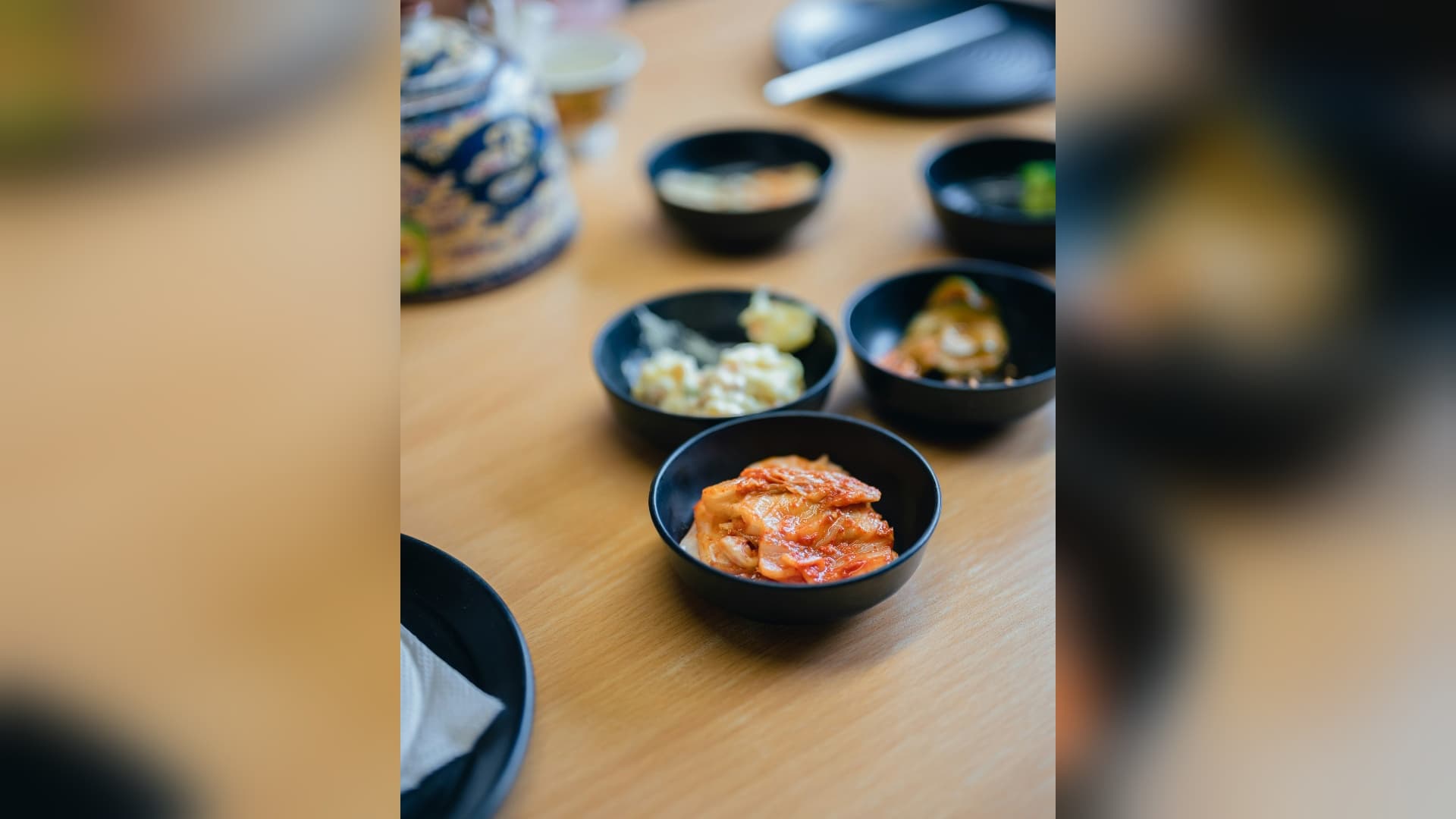
Huh Young-man's seven-year food journey on TV Chosun is pausing at a moment that feels both abrupt and deeply reflective. The veteran cartoonist and host is stepping back from public activities because of health concerns, and Sikgaek Huh Young-man's Baekban Journey will close its first season with a special episode airing June 21 at 7:50 p.m. KST.
The decision was made with Huh's recovery as the priority. His company said earlier this week that a health issue had emerged and that he was following medical advice while focusing on treatment and rest. It also said he would suspend outside activities for the time being, a significant announcement for a public figure whose career has stretched across comics, film adaptations, television, and Korean food culture.
For viewers outside Korea, Huh Young-man is more than a TV personality. Born in Yeosu and active since the 1970s, he became one of Korea's most recognizable cartoonists through works including Gaksital, Fly Superboard, Beat, Tazza, and Sikgaek. Several of his titles have moved beyond print into film, television, and popular memory, making him part of the bridge between Korean comics and mainstream screen culture.
A Food Show With a Long Memory
Baekban Journey began in 2019 and built its identity on something quieter than celebrity cooking competitions or restaurant spectacle. Huh traveled across Korea to visit local eateries, often focusing on modest tables, regional flavors, and the people who kept those places alive. The Korean word “baekban” refers to a simple home-style meal, but the program treated that simplicity as cultural memory rather than background scenery.
Over seven years, the show visited 1,329 restaurants and introduced 2,131 meals, according to TV Chosun figures cited in Korean reports. It also welcomed 365 guest diners, creating a record of conversations as much as a catalog of dishes. The numbers matter because they show the scale of the work: this was not a short promotional food program, but a long-running map of everyday Korean dining.
The season-ending special, titled The Baekban We Loved: Seven Years of Delicious Records, will revisit that history. It is expected to look back at the 17-dish southern-style table from Gangjin, South Jeolla Province, featured in the first episode; a perilla oil makguksu spot that became widely known after appearing on the show; and the current state of the ironworking neighborhood around Mullae-dong, where the program previously found food stories in an industrial setting.
Those choices underline what made the series distinctive. It was not only about whether the food looked appetizing. The show was interested in why a meal belonged to a place, what kind of labor made it possible, and how a small restaurant could become a memory for viewers who might never visit in person.
Why Season 1 Is Ending Now
TV Chosun and Huh's company described the finale as a season-one conclusion, not a permanent disappearance of the format. The language leaves open the possibility of a return in a new form, but the immediate reason is clear: Huh's health comes first. Korean reports quoted his company as saying he had developed a health problem and was concentrating on treatment and recovery under medical guidance.
That framing has shaped the tone around the special. Rather than presenting the episode as a conventional cancellation or schedule change, the production is positioning it as a chance for viewers to look back with gratitude. The production team said it would support Huh's recovery and asked audiences to look forward to a future season in a new form.
The timing is poignant because Huh is approaching 80, an age noted by Korean outlets in their coverage of the decision. For most hosts, a seven-year travel-food show would already be a major commitment. For Huh, it was also an extension of the sensibility that made Sikgaek beloved: an eye for food as a story of place, labor, memory, and ordinary dignity.
That sensibility is why the show appealed to viewers beyond standard food-program audiences. Each episode carried the rhythm of a local visit: the guest, the table, the owner, the region, and Huh's own reactions. The result was a program that often felt less like a guidebook than a record of Korea's lived landscape.
The Cartoonist Behind the Table
Huh's presence gave Baekban Journey its authority because food had already been central to his creative life. Sikgaek, his influential food-themed comic, helped shape the way many Korean readers thought about dishes not as isolated recipes but as stories connected to region, family, season, and identity. The TV show effectively brought that worldview into documentary-variety form.
His earlier works also help explain why the news carries such weight. Tazza became a major film franchise and cultural reference point; Gaksital found new life as a screen adaptation; and Fly Superboard remains familiar to generations who encountered it through animation. Huh is not simply the host of one show stepping away for health reasons. He is an artist whose work has been woven into Korean popular culture for decades.
That makes the season-one finale feel like a pause in a larger career, not just the end of a broadcast cycle. It also explains why fans responded with concern rather than ordinary disappointment. The most important next chapter is not a new programming slot, but Huh's recovery.
The special will include highlights from guest appearances and messages from restaurant owners who became part of the program's seven-year archive. That element may be the most fitting farewell for the season. Baekban Journey was built on the idea that a meal is never only food; it is the person who cooks it, the place that shaped it, and the guest who remembers it.
What Viewers Can Expect From the Special
The June 21 broadcast is expected to be retrospective rather than investigative. Viewers should expect a curated return through key locations, memorable tables, and the emotional texture of Huh's travels around Korea. For longtime fans, the appeal will be recognition. For newer viewers, it may work as a compressed introduction to why the program lasted as long as it did.
The show also arrives at a moment when Korean food culture has become increasingly global. International audiences may know Korean cuisine through barbecue, kimchi, street food, or K-drama dining scenes, but Baekban Journey has always pointed to something more rooted: the lunch counter, the neighborhood table, the elderly owner with a recipe that rarely appears in global trend lists.
That is the legacy the special is likely to emphasize. Over 1,329 restaurants and 2,131 meals, Huh Young-man helped turn everyday Korean dining into a televised archive. The first season now ends because health has to take precedence. But the record it leaves behind remains unusually rich: seven years of meals, conversations, local pride, and the belief that the most ordinary table can still carry a country's story.
How do you feel about this article?
저작권자 © KEnterHub 무단전재 및 재배포 금지
Entertainment Journalist · KEnterHub
Entertainment journalist specializing in K-Pop, K-Drama, and Korean celebrity news. Covers artist comebacks, drama premieres, award shows, and fan culture with in-depth reporting and analysis.
Comments
Please log in to comment