j-hope's MONA LISA and the Art of the BTS Solo Era: Chart Records, Remix Strategy, and What Comes Next
With a record-tying 7th Billboard Hot 100 entry and a strategic remix EP, j-hope demonstrates how a BTS member builds a solo legacy while the group's reunion approaches
 By Park Chulwon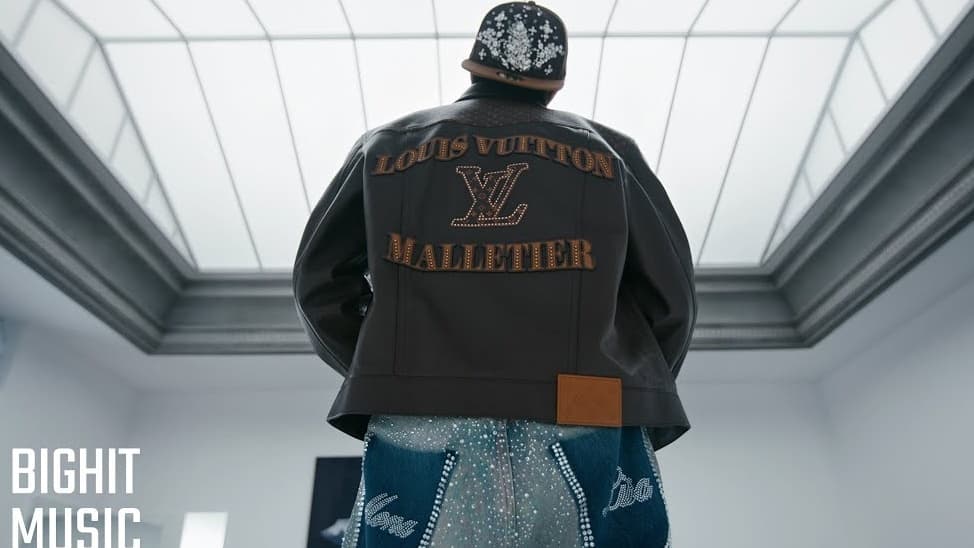
When j-hope released MONA LISA on March 21, 2025, it entered the Billboard Hot 100 at No. 65 — the highest debut by a K-pop act on the chart in 2025. Four days later, he followed it with a remix EP featuring three versions of the track. By the time the week of March 29 arrived, the MONA LISA era had become a case study in how a BTS member navigates the solo landscape while the group's full reunion looms in the near future.
The song's chart performance represents more than a number. At No. 65 on its debut week and No. 1 on the Digital Song Sales chart, MONA LISA ties j-hope with Jungkook as the K-pop soloist with the most Billboard Hot 100 entries — seven apiece. It also debuted at No. 9 on the Billboard Global Excl. U.S. chart, his first solo entry in that chart's top 10. These milestones arrive during a year when BTS members are returning from mandatory military service, making each solo release both an artistic statement and a form of audience maintenance before the group's anticipated reunion.
The Architecture of MONA LISA's Success
MONA LISA is a love song that uses the Mona Lisa painting as a metaphor for celebrating a person's unique beauty. The production sits at the intersection of contemporary pop and the cinematic, melodic style that distinguished j-hope's 2023 album hope on the street material. The song reached No. 1 on iTunes' Top Songs charts in over 70 countries within hours of release, indicating that j-hope's global fanbase — built across years of BTS activity and his solo work — mobilized immediately and effectively.
The March 25 remix EP deepened the release cycle in ways that demonstrate a sophisticated understanding of how streaming algorithms work. The EP included a Band Remix, featuring live-sounding drum performances and electric guitar riffs that altered the song's sonic texture significantly, and an Afropop Remix, which introduced jazz-influenced chord progressions and a groove built from diasporic musical language. These were not superficial variations. Each remix version extended the song's presence on streaming platforms by offering genuinely different listening experiences for different audience segments.
Remix Culture as Strategic Longevity
The decision to release a remix EP just four days after the original song reflects an understanding of how contemporary pop releases sustain momentum in a streaming landscape where algorithmic freshness decay is aggressive. A single song peaks in discovery and then recedes; a remix gives the algorithm new assets to surface to new listeners who may have missed the first wave. For j-hope, whose fanbase spans multiple demographic cohorts and geographic markets, offering a Band Remix and an Afropop Remix is also an acknowledgment that different segments of his audience respond to different sonic textures.
The Band Remix's live-band instrumentation gestures toward the rock and pop markets in North America and Europe that have historically been harder to penetrate through K-pop. The Afropop Remix, with its diasporic rhythmic language, speaks to the growing intersection between African pop markets and the Korean entertainment industry — a relationship that has been quietly developing as K-pop's global footprint expands into new territories. Together, the remix choices map j-hope's ambitions beyond the K-pop bubble rather clearly.
The BTS Member Solo Calculus in 2025
To understand what MONA LISA represents, it helps to understand the position j-hope occupies in 2025. He completed his mandatory military service in October 2024, returning before most of his bandmates. This made him one of the first BTS members available to promote solo work in the post-service period, ahead of the group's anticipated full reunion that would materialize later in the year.
The pressure and opportunity facing each returning BTS member is unique in the history of pop music. They return to a global fanbase — the ARMY — that has kept its loyalty intact through two years of member absences, simultaneous solo activities, and enormous geopolitical and personal transitions. The challenge for j-hope is not whether ARMY will support his work; it is whether he can expand his audience beyond that core. MONA LISA's Hot 100 debut, while benefiting from ARMY mobilization, also registered on Digital Song Sales and Global streaming charts in ways that suggest cross-demographic reach.
What the Numbers Leave Unsaid
Chart positions tell only part of the story. What they cannot capture is the cultural conversation that a song generates in its first weeks — and MONA LISA generated considerable conversation. The Billboard new music poll awarded it nearly 90% of the vote from readers, a figure that reflects both the scale of j-hope's fanbase and the song's resonance with listeners outside the K-pop core audience. The song's MV teaser, with its Louis Vuitton visual language and cinematic aesthetic, accumulated tens of millions of views in its first 24 hours, reinforcing j-hope's dual position as a music artist and global fashion ambassador.
As the week of March 29 drew to a close, the MONA LISA era had established j-hope's solo identity clearly: a BTS member who has built genuine global credibility through consistent quality, with the capacity to move Hot 100 needles that most solo K-pop artists cannot. The months ahead — which would include the full BTS group reunion and j-hope's ongoing solo projects — would test whether that credibility could compound further. The evidence from March suggested it could.
How do you feel about this article?
저작권자 © KEnterHub 무단전재 및 재배포 금지
Entertainment Journalist · KEnterHub
Entertainment journalist focused on Korean music, film, and the global K-Wave. Reports on industry trends, celebrity profiles, and the intersection of Korean pop culture and international audiences.
Comments
Please log in to comment