Jeong Ho-young Brings Mala To MBC Seafood Clip
MBC Entertainment highlights Jeong Ho-young's flatfish aged-kimchi sushi and mala maeuntang segment.
 By Baek Seoyun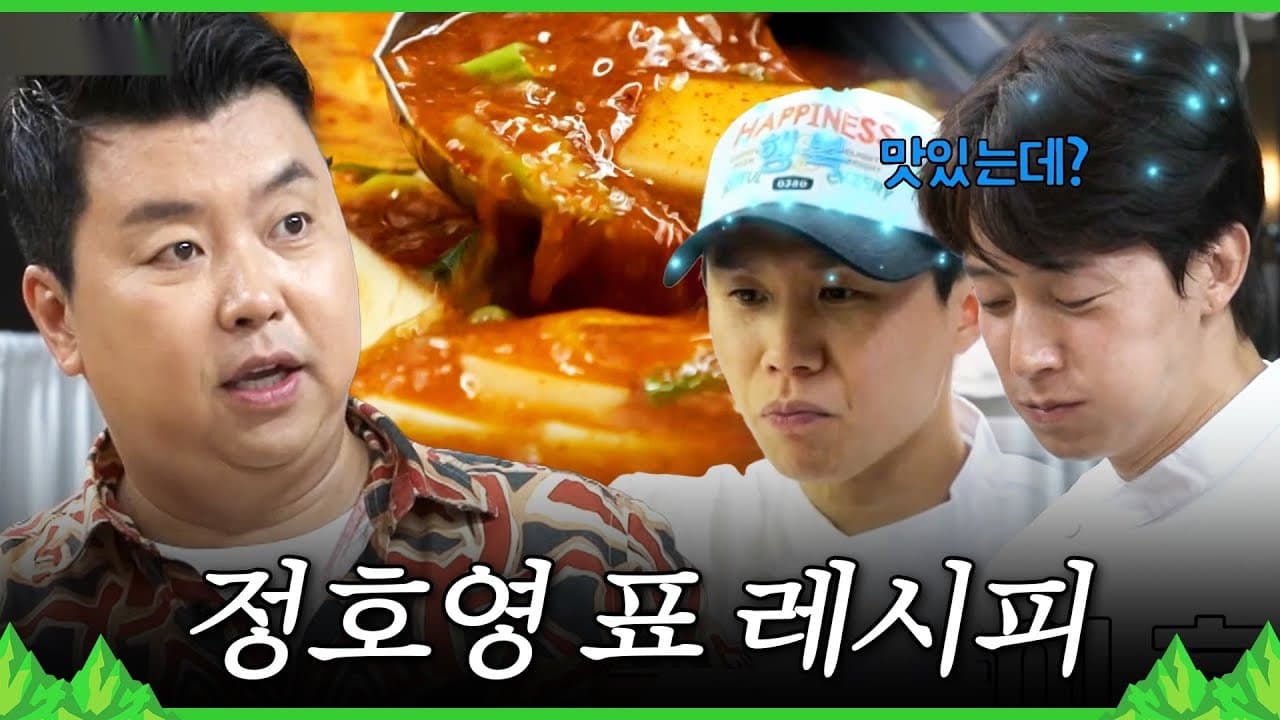
MBC Entertainment's official YouTube channel has spotlighted a food-entertainment clip that turns a familiar Korean seafood dish into a sharper variety moment. The new Best Peak upload features chef and television personality Jeong Ho-young teaching a menu built around flatfish aged-kimchi sushi and a mala-spiked maeuntang, or spicy fish stew. The clip, listed as an MBC broadcast segment from July 12, is a compact example of how Korean broadcaster channels are using official YouTube videos to extend the life of food-focused variety content beyond the original airing.
The premise is simple but effective: take a seafood format that viewers recognize, then introduce a trendy flavor language that changes the expectation. Maeuntang already carries a strong Korean identity as a hot, spicy, seafood-based stew, while mala brings the numbing heat associated with Sichuan-style seasoning and a younger dining trend in Korea. By placing those ideas next to flatfish and aged kimchi, the MBC clip gives Jeong a clear teaching hook. Viewers are not only watching a recipe; they are watching a celebrity chef translate restaurant-style imagination into broadcast-friendly steps.
Jeong Ho-young Uses Familiar Seafood As The Hook
Featured on MBC Entertainment's official YouTube channel, the video title centers Jeong Ho-young and the question of adding mala to maeuntang. That framing matters because Jeong's television persona is built on approachable expertise. He is a chef viewers can recognize from variety programs, but he also carries enough professional credibility to make a recipe clip feel more than decorative. When a broadcaster puts his name in the title, it is signaling that the appeal is partly culinary and partly personality-driven.
The pairing of flatfish aged-kimchi sushi with mala maeuntang also gives the segment a two-part structure. One side suggests a neat, bite-sized dish using fish and fermented flavor; the other suggests a warming stew with a bolder spice profile. That contrast is useful for a short official clip because it gives viewers multiple reasons to stay. Some may be curious about the sushi combination, while others may click because the idea of mala in Korean fish stew sounds unusual enough to test.
Food variety clips often work best when the recipe idea can be understood instantly. This one clears that bar. Even without a full written recipe in the source description, the title communicates the dramatic elements: flatfish, aged kimchi, sushi, mala, and spicy stew. Those keywords are sensory and specific. They suggest texture, heat, fermentation, and seafood freshness before the viewer even presses play. For a YouTube upload, that is efficient packaging.
Jeong's role is also important in a broader K-entertainment context. Celebrity chefs in Korea do not function only as kitchen experts. They often become recurring variety figures, reacting to guests, explaining food culture, and making professional technique feel conversational. This clip sits in that space. It is not positioned as a formal cooking school video; it is an entertainment highlight that uses instruction as the engine of the scene.
Mala Meets Maeuntang In A Broadcast-Friendly Twist
The mala element is the most attention-grabbing part of the upload. Korean food television has long relied on spicy stews, seafood soups, and fermented side dishes as visually and emotionally familiar material. Mala changes the rhythm because it adds a flavor trend that many younger viewers associate with customizable hot pot, street food, delivery menus, and bold restaurant concepts. When the title asks whether mala belongs in maeuntang, it creates a small culinary debate that fits naturally inside a variety clip.
That debate is useful because it does not require controversy. It is playful, low-stakes, and sensory. Viewers can imagine the result even if they do not cook the dish themselves. Would the numbing spice overpower the fish? Would aged kimchi deepen the broth? Would the heat make the stew feel more modern or distract from the seafood? These questions are exactly the kind of small hooks that make food clips circulate on official broadcaster channels.
The flatfish aged-kimchi sushi component provides balance. Aged kimchi brings acidity and depth, while flatfish suggests a cleaner seafood base. Placed next to a spicy stew, it lets the clip present contrast rather than one continuous flavor note. That kind of menu pairing is valuable for television because it gives producers visual variety: sliced fish, rice, kimchi, broth, heat, and chef reaction can all become separate beats.
MBC's title also avoids making the segment sound too technical. It sells the recipe through a question and a surprise. That is a common strategy for food entertainment: the professional chef may know the method, but the audience is invited through curiosity rather than instruction alone. In this case, Jeong becomes the guide to a flavor combination that sounds risky enough to be memorable but familiar enough to feel possible.
Why Official Food Clips Matter For K-Variety
Official food clips occupy a slightly different lane from idol performances or drama teasers, but they are still part of the K-entertainment ecosystem. Broadcaster YouTube channels have learned that cooking segments can travel well because they do not depend on a viewer knowing a full plot or cast history. A strong dish idea, a recognizable host, and a clear thumbnail can reach fans of variety, food, and Korean culture at the same time.
That is where Jeong Ho-young's presence helps. His profile connects the clip to the celebrity-chef side of Korean television, a category that has grown through programs where chefs are expected to be teachers, competitors, and entertainers. Viewers may first recognize him from another show, then stay for a recipe. Others may arrive through searches for seafood, kimchi, or mala and encounter him as an MBC personality. The official upload supports both paths.
The clip also reflects the way Korean broadcasters repurpose broadcast material for digital audiences. A segment that may have been one part of a larger program becomes a standalone content unit on YouTube. The title, thumbnail, and description have to do the work of context. By naming Jeong, identifying the dishes, and linking back to the program page, MBC gives the clip enough identity to stand alone while still pointing viewers toward the broader show.
For international audiences, food clips can be especially effective because they require less translation than talk-heavy variety scenes. Even when viewers miss some dialogue, ingredients, gestures, plating, and reactions remain legible. A dish like mala maeuntang also carries cultural layering that can be understood visually: Korean stew tradition meeting a pan-Asian spice trend. That makes the video more accessible than many short entertainment uploads.
A Small Clip With Practical Replay Value
The strongest potential for the MBC upload is replay. Recipe-adjacent videos are often revisited differently from celebrity news clips. Viewers may return to check the dish name, rewatch the cooking order, or share the idea with someone who enjoys seafood. Because the title includes both the sushi and stew elements, the video can live in search results for multiple food interests. That practical usefulness gives it a longer tail than a one-time teaser.
The clip also gives Jeong Ho-young another piece of digital visibility as a chef who can bridge professional cooking and entertainment pacing. In television terms, that balance matters. A chef who explains too much can slow a variety segment down, while a personality without technique may not hold food-focused viewers. Jeong's appeal comes from occupying the middle ground: enough authority to teach, enough ease to fit the broadcaster's entertainment rhythm.
MBC Entertainment's upload ultimately shows how a modest food segment can be packaged as K-variety content with clear digital hooks. It has a recognizable chef, a sensory title, a trendy spice twist, and a seafood menu that looks specific rather than generic. The video does not need to announce a major event to be useful for coverage. It captures a broadcaster making food television searchable, shareable, and easy to revisit.
For viewers following Korean entertainment beyond idols and dramas, Jeong Ho-young's flatfish aged-kimchi sushi and mala maeuntang clip is a reminder that variety programming often lives through small, memorable formats. A single question in the title, "mala in maeuntang," is enough to frame the segment. From there, the official MBC video lets Jeong's chef identity and the dishes' strong flavor profile carry the story.
How do you feel about this article?
저작권자 © KEnterHub 무단전재 및 재배포 금지
K-Drama & TV Correspondent · KEnterHub
Television and drama correspondent covering Korean series from first script reading to finale. Baek Seoyun tracks casting news, OTT release strategies, and the creative teams behind Korea's biggest shows, with a particular interest in how K-dramas travel to global audiences.
Comments
Please log in to comment