Joo Hyung Jin Revives Autumn Night With Film Romance
 By Ricky Joo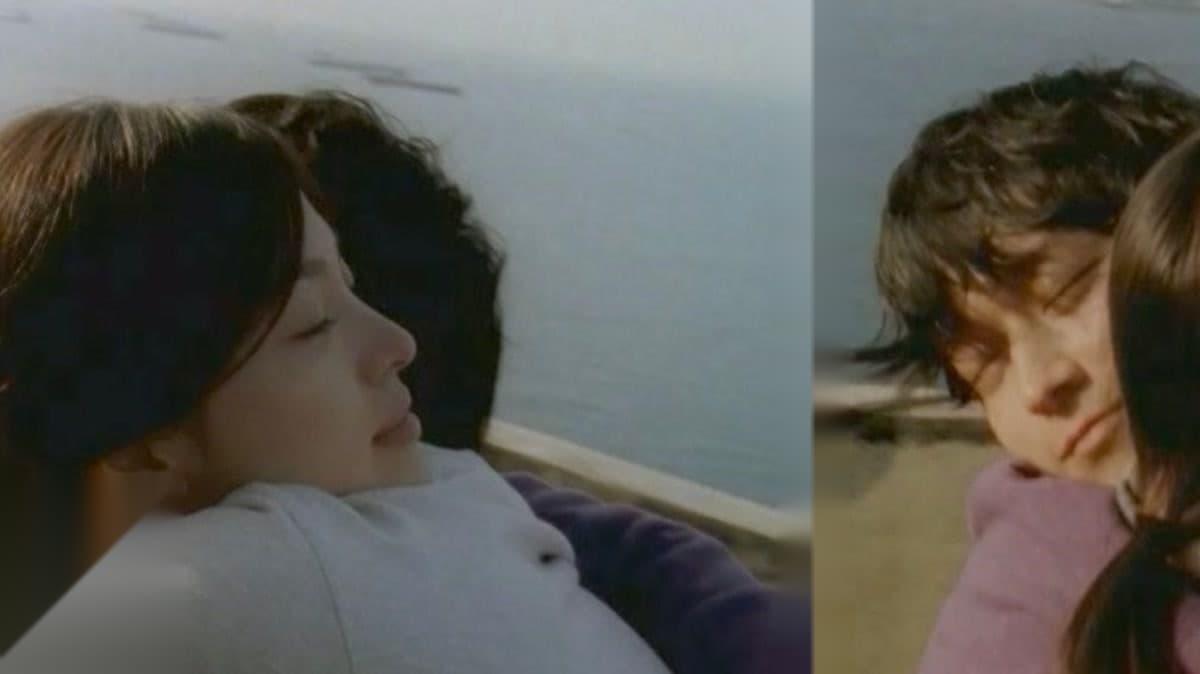
Joo Hyung Jin has turned “Autumn Night” into a meeting point for music, memory and film romance. The singer released the official music video through 1theK on Sep. 29, pairing his remake of the Davichi-associated ballad with newly edited footage from “Love For Sale,” the project film starring Gang Dong Won and Song Hye Kyo.
The result is a release built on layered recognition. Ballad listeners may know “Autumn Night” as a song from Davichi’s 2016 mini album “50 X HALF.” Film and drama fans may be drawn first by the sight of Gang Dong Won and Song Hye Kyo, whose “Love For Sale” scenes return in a different emotional frame. For Joo, the combination gives the remake a stronger visual identity than a standard performance clip might have offered.
A Remake With a Cinematic Frame
Korean reports describe “Autumn Night” as a remake produced again by Rocoberry, the hitmaking team behind the original song. That continuity is significant because remakes work best when they preserve the emotional grammar of the source while giving the new vocalist space to leave a distinct mark. The checked reports emphasize Joo Hyung Jin’s powerful vocal style and the lyrics’ feeling of unreachable love, a combination that naturally suits a music video centered on fading memory and romantic distance.
The visual source, “Love For Sale,” belongs to the omnibus film “Camellia,” a Korea-Thailand-Japan project. The story is set in a near-future Busan where love can be bought and sold, and it follows a man and woman who lose memories of each other before being drawn together again. That premise makes the footage unusually compatible with a ballad about longing. Instead of using celebrity appearances as simple star power, the MV can lean on a story world where love is fragile, transactional and still somehow persistent.
Reports also add a personal note: Gang Dong Won is said to have suggested the use of the footage for Joo Hyung Jin, his longtime friend. That detail gives the release a warmer context. The MV is not just a licensing exercise or a nostalgic edit; it is presented as a collaboration shaped by an existing relationship, with a well-known actor helping a friend’s music find an evocative visual language.
Why Gang Dong Won and Song Hye Kyo Matter Here
Gang Dong Won and Song Hye Kyo remain names with strong search power across Korean entertainment, but their presence in this release is more than headline bait. “Love For Sale” carries a specific kind of cinematic mood, including futuristic melancholy, lost intimacy and the ache of people trying to recover feeling in a world that commodifies it. Those themes line up with the “Autumn Night” remake better than a generic montage would.
For fans, the MV offers a rare chance to revisit the actors’ shared screen atmosphere in a new format. For music listeners, it gives Joo’s vocal interpretation a narrative companion. Ballads often ask listeners to create their own mental images; this release provides one without crowding the song. The remembered lovers on screen become a mirror for the lyric’s unreachable affection, while Joo’s voice carries the present-tense ache.
The 1theK upload also gives the release practical reach. As with other official MV uploads on the channel, the video can circulate through K-pop discovery habits even though the song itself is closer to the Korean ballad and OST tradition than to idol performance pop. That matters for a remake whose appeal depends on multiple audiences finding it: listeners who remember Davichi’s catalog, fans of Joo’s vocals, and viewers drawn by the film connection.
A Seasonal Ballad Strategy
The late-September timing gives “Autumn Night” a natural seasonal frame. Korean music coverage often treats autumn as a strong window for reflective ballads, and this release leans into that atmosphere without needing a loud concept. The title itself invites images of cooling air, memory and quiet regret, while the “Love For Sale” footage adds a visual texture of distance and yearning.
No verified chart data or audience metrics were available in the checked sources at the time of writing, so the release is best understood through its positioning. It is a remake with recognizable creative lineage, a music video with major film faces, and a personal backstory involving Gang Dong Won’s reported suggestion. Those elements give the song several routes into public attention while keeping the emotional center focused on Joo’s interpretation.
The remake choice also places Joo Hyung Jin inside a familiar Korean release pattern: returning to a respected song with a new voice and a new season. Remakes can be risky because listeners may already have an emotional attachment to the earlier version. This one offsets that risk by adding a film-based MV concept, giving audiences something new to discuss beyond direct vocal comparison.
Rocoberry’s continued involvement helps maintain continuity with the 2016 track. When the original creator returns for a remake, the arrangement can be adjusted for a different singer while preserving the melodic sentiment that made the song memorable in the first place. In Joo’s case, reports emphasize a more forceful vocal color, which can shift the song from delicate recollection toward fuller dramatic expression.
The Busan-set “Love For Sale” context gives the MV an additional Korean cultural layer. It connects music to cinema, Seoul-centered star power to a Busan-set future, and an older screen project to a new streaming-era music video. That layered reuse is exactly the kind of detail that can make a remake feel purposeful rather than merely recycled.
Because the video uses already meaningful screen images, the release can also reach viewers who approach Korean entertainment through actors first and music second. That crossover pathway is valuable for a ballad remake, especially one built around atmosphere rather than choreography or spectacle.
The broader takeaway is that “Autumn Night” shows how Korean music releases can revive existing material by changing the frame around it. A familiar song becomes new when a different vocalist, a cinematic memory and a seasonal release window converge. For Joo Hyung Jin, the MV offers a clear statement: he is not simply covering a beloved ballad, but rebuilding its atmosphere for listeners who may come for the actors, stay for the emotion, and leave with his voice attached to the song.
How do you feel about this article?
저작권자 © KEnterHub 무단전재 및 재배포 금지
New Music & Comebacks Reporter · KEnterHub
New-music reporter covering K-pop comebacks as they drop. Ricky Joo tracks official channel premieres, music video releases and debut showcases, breaking down what each comeback signals about an artist's next chapter — often within hours of release.
Comments
Please log in to comment