Jung Dae Hyun Brings Spring Back
 By Park Chulwon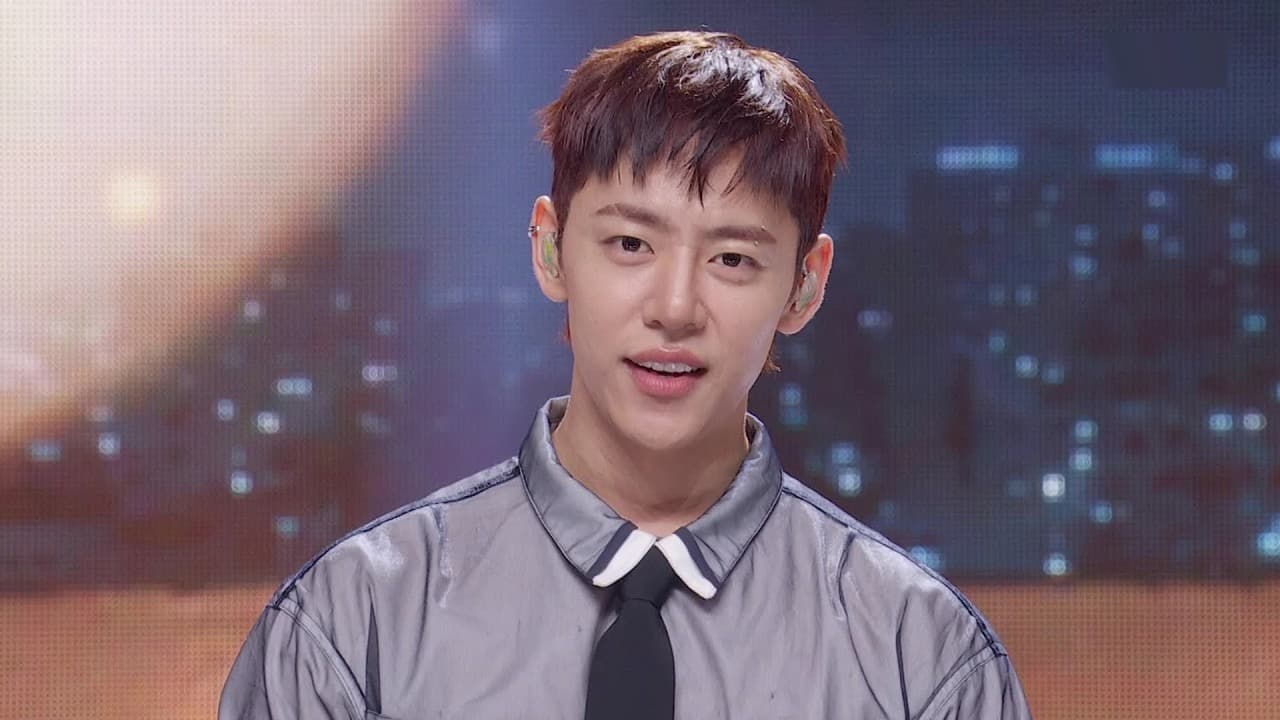
Jung Dae Hyun's “Spring After Spring” is moving from music-drama storytelling into live-stage focus. The singer's official comeback performance, uploaded through Mnet K-POP from M COUNTDOWN episode 936, gives fans a new way to read the title track from his second mini album PUZZL(OV)E: not only as a recorded ballad-pop release, but as a stage built around vocal restraint, emotional recovery, and the idea of happiness returning after loss.
The Mnet clip identifies the performance as “JUNG DAE HYUN - Spring After Spring,” with the Korean title “나비란” placed in the source title. That detail is important because the song's Korean name carries the metaphor that has shaped the comeback. In Korean coverage tied to the release, Dae Hyun explained the title through the flower-language idea that happiness can come flying back, and he connected the track to a narrator who learns the meaning of love only after letting someone precious go.
That makes the broadcast stage more than a routine promotional stop. It is the compact live version of a comeback built around love as a puzzle: self-pity, affection received from others, first love, and love for fans. The second mini album's title, PUZZL(OV)E, makes that structure explicit. The Mnet performance places the central piece, “Spring After Spring,” in front of a wider K-pop audience and lets Dae Hyun's voice carry the emotional argument.
Spring After Spring Turns Happiness Into A Comeback Theme
“Spring After Spring” works because its central metaphor is easy to understand but emotionally flexible. Spring can mean renewal, return, memory, or a second chance. By repeating the season in the English title, the song suggests that happiness is not a single arrival. It may come back in cycles, after regret, after distance, or after a person finally understands what love meant.
That theme is especially suited to Jung Dae Hyun. Fans know him first as a vocalist, and a song like this depends on phrasing more than spectacle. A performance can become powerful through small decisions: where he softens a line, where he lets the chorus open, and where the camera allows the expression to hold. The official M COUNTDOWN stage gives those details a clean broadcast frame.
The song's Korean title also gives the performance a poetic anchor. “나비란” can lead listeners toward the image of a butterfly, which naturally fits the idea of happiness flying in. That does not require the stage to over-explain itself. The title, the seasonal English phrase, and Dae Hyun's vocal delivery all point in the same direction: a comeback about waiting for feeling to return in a changed form.
This is a useful contrast to many July releases that lean on speed, choreography, or summer brightness. Dae Hyun's stage asks for a slower kind of attention. Instead of competing through scale, it competes through sincerity. In a crowded comeback calendar, that can be a strength because it gives the performance a distinct emotional lane.
PUZZL(OV)E Adds Context To The Stage
The broader album context helps explain why “Spring After Spring” has been promoted with both performance and narrative material. Search results and official social posts around the release identify PUZZL(OV)E as Jung Dae Hyun's second mini album, with “Spring After Spring” as a key track. Streaming listings also place the song alongside album cuts such as “One” and “Name,” reinforcing that the comeback is being presented as a themed project rather than a one-off stage.
According to Korean media coverage citing MA Entertainment, the album was designed to hold different forms of love, including self-directed emotion, love from others, first love, and love for fans. That description gives the performance a wider frame. When Dae Hyun sings “Spring After Spring” on a music-show stage, he is not only promoting a title track; he is presenting the album's emotional center.
The comeback also uses visual storytelling. Korean reports around the “Spring After Spring” music video described it as a music-drama-style production and noted that a longer independent-film-like full version was planned. The video narrative reportedly marked Dae Hyun's return to acting mode after several years, adding another layer to the release. The Mnet stage strips that story down to its musical core.
That shift from drama to stage is valuable. A narrative music video can explain the emotional world of a song, but a live broadcast stage tests whether the song can stand with minimal context. “Spring After Spring” benefits from both. The drama format gives fans story material to discuss, while the Mnet clip gives them a performance to replay and share.
A Vocalist's Return In A Broadcast Frame
Jung Dae Hyun's career history makes the stage feel like a continuation rather than a reset. He first became familiar to many K-pop listeners as a main vocalist in B.A.P, and his solo work has often been judged through that vocal identity. A comeback such as “Spring After Spring” draws on that recognition while allowing him to define a more personal emotional color.
That is why the official Mnet clip matters. Broadcast stages give solo artists a public checkpoint. Fans can see how the song is arranged for television, how the artist handles the camera, and how the recorded emotion translates into a live-performance setting. For a singer whose strength is expression, those details are the article.
The stage also gives international fans a reliable source. Mnet K-POP's YouTube channel provides the official upload, while the video description points viewers toward TVING streaming and the regular M COUNTDOWN schedule. Fans who cannot watch the Thursday broadcast live can still participate through the official clip, which is important for a solo comeback with a global fan base.
Official uploads also help avoid the fragmentation that happens when performances circulate only through reposts. A clear source title, episode number, artist name, and song name make the clip easy to find. For “Spring After Spring,” that search clarity supports both Korean and English queries, including “나비란,” “Jung Dae Hyun,” and “Spring After Spring.”
Why This Stage Could Keep The Song Moving
The next phase of the comeback will depend on how fans connect the song's message to Dae Hyun's current artistic identity. The strongest hook is not only that he has returned with a new stage, but that the comeback has a coherent emotional concept. Happiness, regret, love, and renewal are easy themes to understand across languages, and a vocalist-led performance can make them feel immediate.
Fan communities are likely to use the Mnet clip as a compact introduction. It is shorter and more direct than a long-form music-drama video, but it still carries the title track's mood. That makes it practical for sharing: one link, one stage, one central vocal performance. For new listeners, it can become the first step into the full PUZZL(OV)E release.
The performance also gives Dae Hyun's comeback a useful balance between intimacy and visibility. The song's theme is personal, but the stage is public. That combination is often where solo comebacks find their strongest footing. Fans can feel that the song belongs to the artist's story while still seeing it validated on a major broadcast platform.
For now, “Spring After Spring” has gained exactly what a title track needs after release: an official stage that can travel. The Mnet upload brings Jung Dae Hyun's comeback into a clean performance frame, connects it to the emotional architecture of PUZZL(OV)E, and gives fans a shareable source for a song built on the promise that happiness can return, even after the season seems to have passed.
How do you feel about this article?
저작권자 © KEnterHub 무단전재 및 재배포 금지
Entertainment Journalist · KEnterHub
Entertainment journalist focused on Korean music, film, and the global K-Wave. Reports on industry trends, celebrity profiles, and the intersection of Korean pop culture and international audiences.
Comments
Please log in to comment