K-Heritage's 50% Sales Jump Shows the Korean Wave's New Retail Layer
 By Seung Jung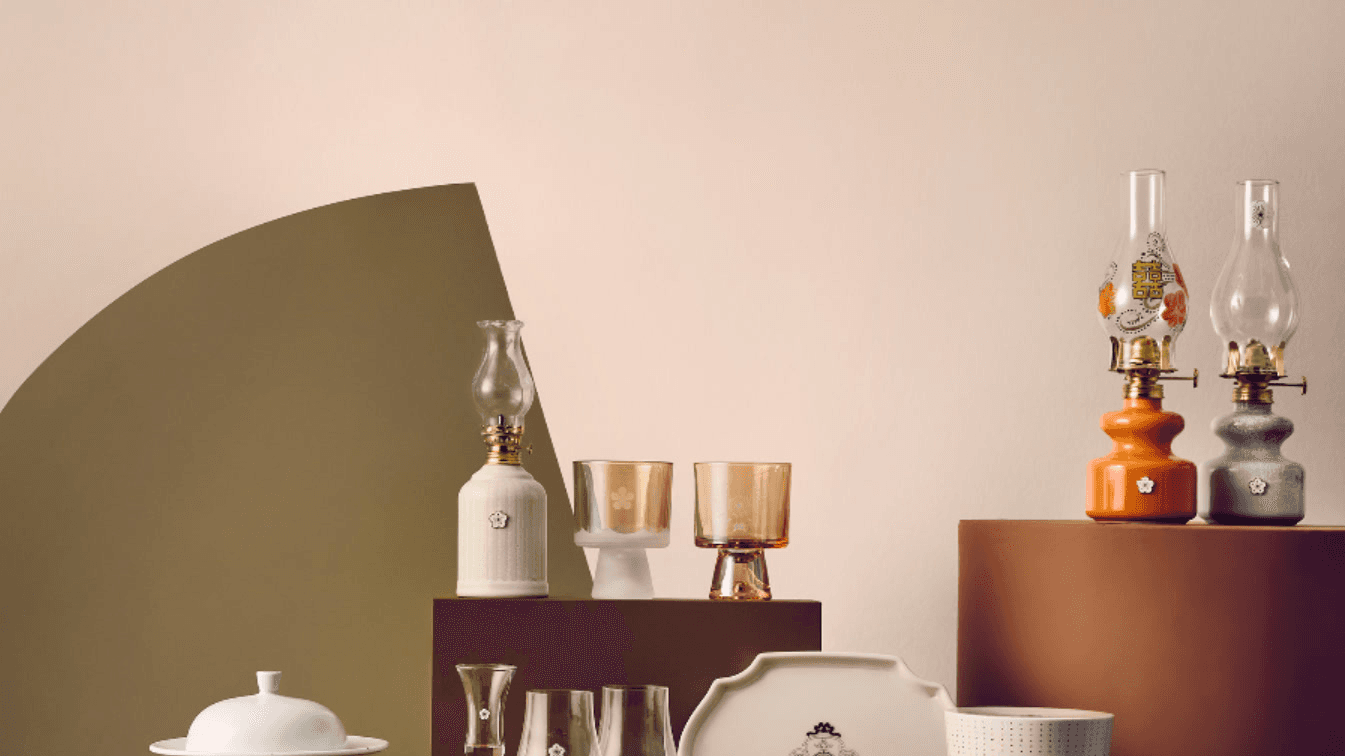
K-Heritage sales jumped nearly 50 percent in the first half of 2026, turning traditional cultural goods into one of the clearest retail signals of the Korean Wave's next phase.
The Korea Heritage Agency's cultural merchandise brand recorded about 9.09 billion won in online and offline sales during the first six months of the year, up from roughly 6.07 billion won in the same period of 2025, according to Korean media reports citing the agency. That 49.7 percent increase is not just a strong retail result. It suggests that Korean heritage design is moving beyond museum-shop nostalgia and into the same lifestyle economy that has already carried K-pop, K-drama, K-beauty and Korean food into global consumer habits.
This article analyzes how K-Heritage's sales surge gives traditional culture a measurable commercial role inside the broader K-culture market. The core question is not whether palace motifs can sell as souvenirs. They already do. The more important question is whether heritage-based products can become repeatable cultural IP, distributed through airports, online stores, department-store pop-ups and global shipping channels.
From Palace Souvenir to Cultural IP
K-Heritage did not appear suddenly in 2026. The Korea Heritage Agency has spent years building a product line around national heritage content, including royal court patterns, folk paintings, traditional craft techniques and palace architecture. The agency operates offline sales points at major tourist and cultural sites such as Gyeongbokgung Palace, Deoksugung Palace, the National Palace Museum of Korea and Incheon International Airport, while also running the K-Heritage Store online.
That distribution mix matters. A palace shop captures tourists already inside a heritage setting, but an airport store and a multilingual online mall convert that emotion into exportable consumption. In 2024, the agency said it reorganized the K-Heritage Store to attract global customers, adding English, French, Chinese and Japanese service, overseas payment options and delivery links through Korea EMS. So the 2026 growth is not merely a demand story. It is also an infrastructure story.
The product logic has also changed. Rather than selling tradition as something distant or ceremonial, K-Heritage packages it as practical design: keyrings, hand towels, wine stoppers, fans, cups, tableware, sachets and palace-inspired accessories. That shift is commercially important because everyday objects can travel farther than formal heritage displays. They turn culture into use, and use into memory.
The Numbers Show an Acceleration
But brand positioning only becomes significant when the data moves with it. K-Heritage's recent sales curve shows a clear acceleration from a modest public-culture retail program into a measurable consumer business. Reported annual sales stood at about 4.76 billion won in 2021, then rose to 8.37 billion won, 11.08 billion won, 11.88 billion won and 16.1 billion won in 2025. The first-half 2026 figure of 9.09 billion won already equals about 56 percent of the previous full-year record.
The strongest sub-signals are even more revealing. The online K-Heritage Store reportedly grew from about 1.18 billion won in the first half of 2025 to around 2.2 billion won in the first half of 2026. The Incheon Airport Korean Traditional Culture Center rose from about 1.4 billion won to 2.66 billion won. Collaboration products increased by roughly 61.3 percent year over year. Those three figures point in the same direction: demand is strongest where heritage meets mobility, digital access and partnership design.
That is why the growth should be read differently from a normal souvenir boom. A tourist may buy a magnet once. A consumer who follows K-culture through music, animation, fashion and travel can buy heritage design repeatedly, especially when products are refreshed around events, pop-ups and cultural moments.
Why K-Culture Needed a Heritage Layer
The timing is important because the Korean Wave has spent years expanding from entertainment into adjacent markets. K-pop built fandom behavior. K-dramas built visual familiarity with Korean places and lifestyles. Korean food and beauty products turned that familiarity into household consumption. Heritage goods add a different layer: they connect contemporary attention to older symbols, from palace architecture to folk painting and royal motifs.
The Korea Times reported in January that K-Heritage reached a record 16.1 billion won in 2025, partly helped by the popularity of the Netflix animated film KPop Demon Hunters. That detail is useful because it shows how fictional pop culture can redirect consumers toward traditional symbols. When fans encounter tigers, hats, palace imagery or court aesthetics through entertainment, a heritage store can translate that attention into licensed, designed and purchasable objects.
There is a risk here. If heritage goods become only trend merchandise, the cultural depth can flatten quickly. The better commercial path is not to paste old patterns onto random products, but to explain why those motifs matter while making the product desirable on its own. The official K-Heritage pages emphasize royal court culture, daily-life tradition, craft artists and intangible heritage producers. That framing gives the goods a stronger base than trend-chasing alone.
Retail Channels Are Becoming Cultural Stages
Another reason this moment matters is the widening retail map. Visit Korea announced a July 16-30 K-culture heritage event at Shinsegae Centum City in Busan, tied to the 48th UNESCO World Heritage Committee meeting. The event combines crafts, hanbok and K-merch, with a K-Goods Shop featuring heritage-inspired stationery, keyrings, household goods, decor and limited-edition products. That is not a museum shelf. It is department-store cultural programming.
This tells us where the market is going. Heritage retail is being placed where tourism, luxury shopping, pop-up culture and national branding already overlap. Incheon Airport captures travelers at departure. Multilingual e-commerce captures overseas fans after they return home. Department stores create curated discovery for domestic and international visitors. Together, these channels make K-Heritage less dependent on one-time palace traffic.
The commercial lesson is simple: heritage sells best when it is treated as living design, not as a static archive.
That lesson also explains why collaboration products are rising. Partnerships with brands, platforms and cultural institutions allow heritage motifs to enter categories that a public agency would not naturally dominate alone. Done carefully, that can create a healthier design ecosystem around Korean cultural IP.
What Comes Next
If the first-half pace continues, K-Heritage could challenge the 20 billion won annual mark in 2026. That projection should be treated as a possibility, not a guarantee, because seasonal tourism, event timing and product launches can shift second-half demand. Still, the sales base is now large enough to make the question credible.
The bigger outlook is strategic. K-Heritage has a chance to become a bridge between soft power and commerce: not as a replacement for entertainment exports, but as the physical layer that lets global fans own a piece of Korean cultural memory. The next test will be quality control. If the products stay well-designed, well-explained and globally accessible, the 2026 surge may not be a spike. It may be the start of heritage IP becoming a serious part of the K-culture economy.
How do you feel about this article?
저작권자 © KEnterHub 무단전재 및 재배포 금지
Senior Entertainment Correspondent · KEnterHub
Senior entertainment correspondent with a wide-angle view of Korean show business. Seung Jung covers celebrity news, variety television and award season, and writes the interviews and features that connect individual stories to the larger currents of Korean entertainment.
Comments
Please log in to comment