K-Pop ASMR Is Evolving — Fans Now Decide What They Hear
From Kang Daniel's Tingle Interview to ILLIT and KISS OF LIFE's Tingle Room, how Mnet Plus turned fan participation into the format itself
 By Park Chulwon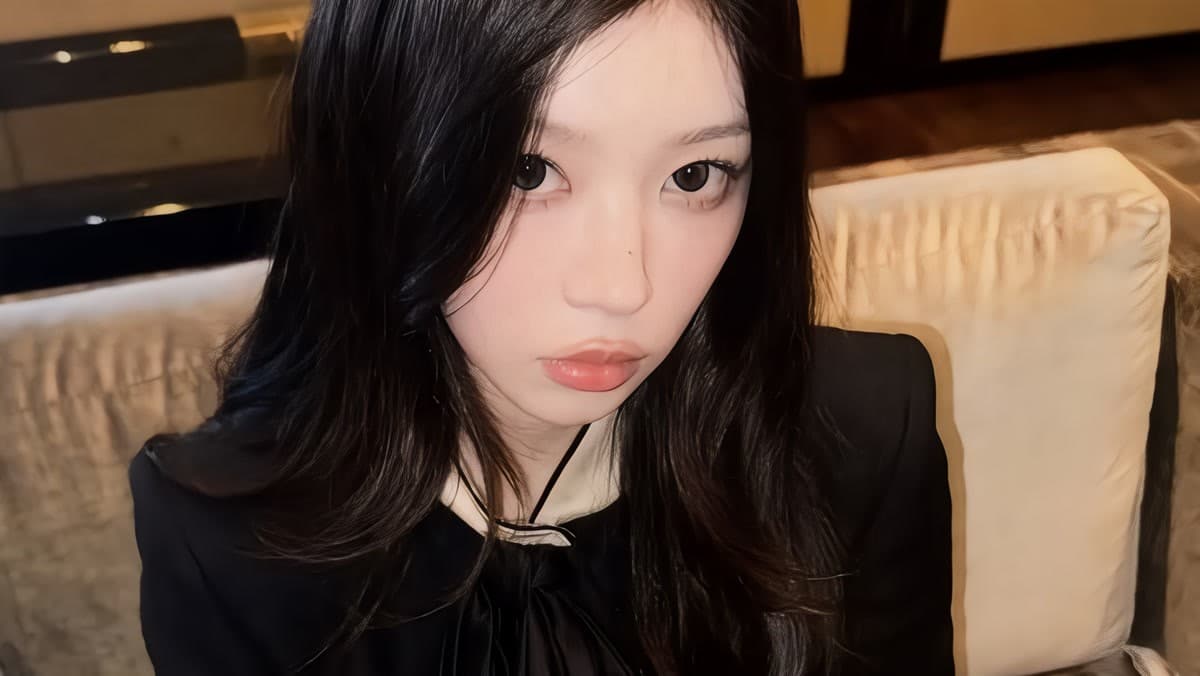
Something different happens when a K-pop idol whispers. The performance context dissolves — the synchronized choreography, the stage lighting, the crowd of thousands — and what remains is a voice, a microphone, and a deliberately constructed sense of closeness that fans describe with words like "comforting" and "intimate." K-pop idol ASMR has been part of the fandom landscape for years. But on April 13, 2026, that last phrase becomes literal: Mnet Plus launches Tingle Room, a first-person roleplay ASMR series where the concept for each episode is chosen not by producers, but by fan vote.
KISS OF LIFE's Belle appears in the debut episode; ILLIT's Moca follows as the second artist. That two of K-pop's most culturally active current acts anchor the launch is not coincidental — it reflects a content strategy years in development at one of the genre's most influential platforms, and a broader industry renegotiation of who gets to decide what fan content looks like.
How the Format Built Toward This Moment
K-pop idol ASMR occupies a distinctive niche in fandom culture. It combines the relaxation triggers that made ASMR a global YouTube phenomenon — soft speech, tactile sounds, close microphone proximity — with the parasocial dynamics that K-pop systematizes more deliberately than almost any other entertainment form on earth. The combination produces something specific: familiarity plus sensory calm, parasocial warmth without the demands of an active performance setting.
The institutional roots on Mnet trace back to 2020, when the M2 channel's Tingle Interview invited artists including Kang Daniel, ATEEZ, and Stray Kids to answer fan questions in whispered ASMR style. The content worked not because ASMR was new, but because filtering it through familiar idol personalities produced something distinct — a format where intimacy was the product and performance was secondary. The format evolved into Tingle Sseollong, which expanded into conversation-based storytelling while retaining the close-microphone intimacy that defined the original.
Tingle Room is the format's third evolution, and its most structurally ambitious. Where previous iterations placed idols in producer-determined situations, Tingle Room hands conceptual authorship to fans: a "first-person roleplay ASMR" experience where the viewer enters as a participant rather than an observer, and the scenario is determined by fan vote before production begins. The fan is no longer the audience. The fan, in a meaningful sense, is now also the writer.
The Platform Behind the Strategy
Understanding why this format is launching now requires understanding what Mnet Plus has become. The mobile-first global K-pop platform has grown to more than 40 million registered users and a peak of 20 million monthly active users within three years of its launch — numbers that situate it as one of the most significant dedicated K-entertainment platforms globally.
The growth has been fueled less by passive content consumption than by what the company calls the "Fanteractive" model: the idea that fans who participate in content creation, voting, and platform-specific missions develop deeper engagement than fans who only watch. At the 2024 MAMA Awards, over 70 million votes were cast through the platform; the Boys Planet II finale generated 3.5 million votes in a single day, at moments reaching 70,000 votes per second. These are not just performance metrics — they are evidence that participation has become the primary product, with content functioning as the occasion for it.
Tingle Room applies this logic to ASMR. When a fan votes on whether Belle's debut episode features a late-night study companion scenario or a rainy-afternoon café roleplay, that vote creates investment before a single frame is recorded. The content becomes something the fan helped author — which changes how it is received, shared, and emotionally registered when it finally arrives.
Why Belle and Moca Are the Right Artists for This Format
The selection of KISS OF LIFE's Belle as the debut Tingle Room artist is grounded in demonstrated audience appetite. Belle has generated organic ASMR content that has circulated widely across TikTok and fan-curated social spaces, where her vocal quality — precise, tonally distinctive, deliberately paced — has established her as a natural fit for the format. Her Tingle Room appearance is institutional recognition of something fans had already decided: she belongs in this space. The formalization is the news; the aptitude was never in question.
Moca's role is structurally different. Described by fan communities as an "ASMR prospect" — someone whose calm vocal register and subtle expressiveness suggest significant untapped potential — her episode arrives as an answer to questions fans have been asking since ILLIT's debut in 2024. She has not yet produced the sustained formal ASMR content that Belle has, which means Tingle Room becomes the site of a first formalization. The combination of a proven performer and an anticipated debut is deliberate programming: Belle validates the format; Moca generates anticipation for what the format can still become.
What This Signals for K-Pop Content Strategy
Mnet Plus's 2026 content expansion includes a fourfold increase in original programming, with fan engagement mechanisms built into formats across categories. Tingle Room fits within a portfolio logic that recognizes different emotional registers and different consumption contexts. ASMR is high-intimacy, relatively low-production-cost content that indexes strongly toward late-night, mobile-first viewing — which aligns directly with K-pop fandom's behavioral patterns globally.
The broader industry implication is that the fan-authorship model Tingle Room introduces may not stay confined to ASMR. K-pop's relationship with fan participation has historically been structured around voting and response: fans express preferences, companies execute on them. Tingle Room moves that relationship one step closer to genuine co-creation, where fan input shapes not just which artist appears, but what the content actually is. If the format performs strongly — in views, in platform engagement, in the kind of social sharing that extends reach beyond existing fandoms — the logic will almost certainly migrate to other content categories where fan participation has so far been limited to reaction rather than creation. The whisper, it turns out, is also a direction.
How do you feel about this article?
저작권자 © KEnterHub 무단전재 및 재배포 금지
Entertainment Journalist · KEnterHub
Entertainment journalist focused on Korean music, film, and the global K-Wave. Reports on industry trends, celebrity profiles, and the intersection of Korean pop culture and international audiences.
Comments
Please log in to comment