KickFlip Turns M COUNTDOWN Into a Breakout Signal
 By Jang Hojin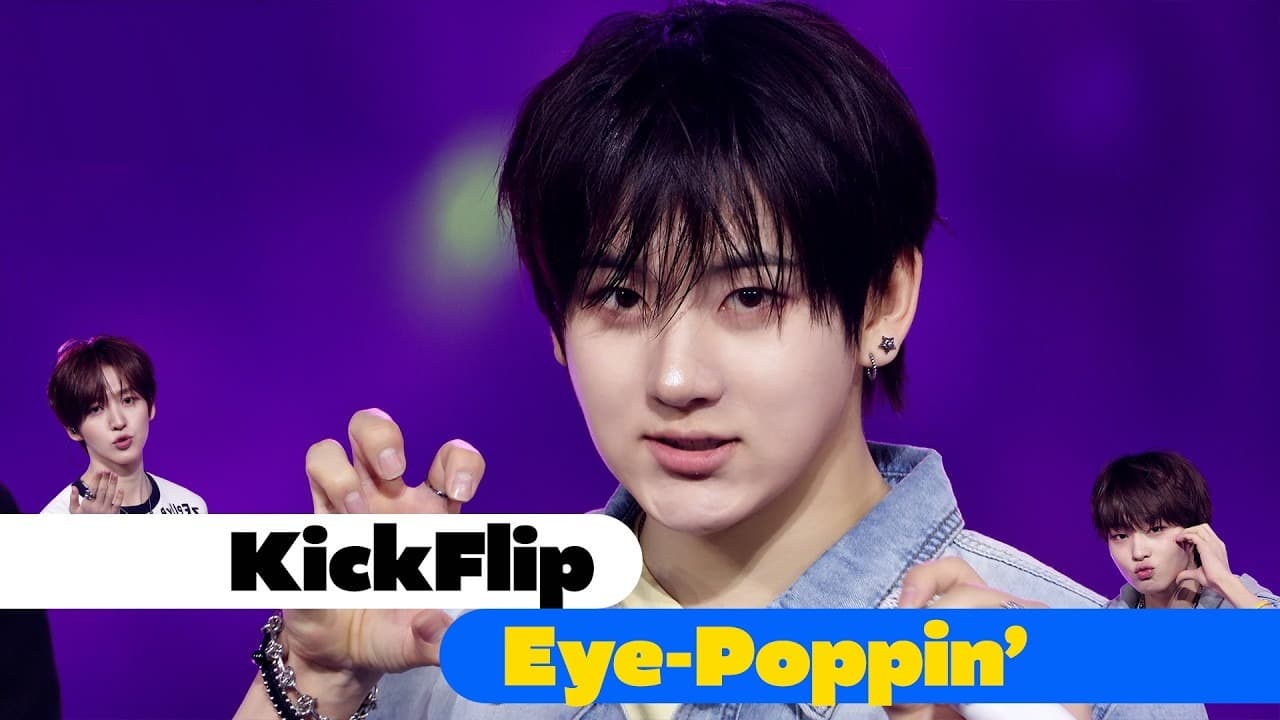
According to Mnet K-POP's official YouTube channel, KickFlip appeared on M COUNTDOWN with the stage for Eye-Poppin'. The upload puts KickFlip's performance of Eye-Poppin' in the center of the latest broadcast conversation around M COUNTDOWN EP.931, giving fans a clean official version to revisit after the June 4, 2026 program. For international viewers who follow K-pop through performance clips as much as through studio releases, the official stage matters because it fixes the lighting, camera direction, live arrangement, styling, and broadcast framing into one shareable reference point.
The clip is not only a replay asset. It works as a compact statement about where KickFlip is being positioned in the current K-pop cycle. Mnet's weekly chart show remains one of the most visible stages for groups trying to turn a release into repeat attention, and a high-resolution official upload lets that moment travel beyond the original TV slot. In an era when music show performances are clipped, compared, translated, and analyzed within hours, the YouTube version becomes part of the campaign itself.
Why This Stage Carries More Weight Than A Routine Upload
The most immediate value of the video is clarity. Fans can study choreography lines, vocal texture, facial expression, and transitions without relying on unofficial recordings or short social edits. That distinction is especially important for newer or momentum-building acts, because an official broadcast clip gives casual viewers a standardized first impression. It shows what the production team wanted the audience to notice: the opening formation, the center changes, the point choreography, the color of the set, and the moments where the camera settles long enough for personality to register.
For KickFlip, that event framing is useful because Eye-Poppin' depends on immediate impact: a title, a hook, and a visual attitude that need to register before the viewer scrolls away. The official M COUNTDOWN X Mega Concert label also gives the stage an event quality rather than presenting it as a normal weekly performance. That framing can help the clip stand apart in a crowded feed where many groups release dance practices, shorts, fancams, behind-the-scenes videos, and challenge clips at the same time. Because this is an official broadcast upload, it becomes a safer reference for media coverage and for fans who want to link the performance without relying on fragmented reposts.
The performance also shows how music shows continue to serve several audiences at once. Domestic viewers may read the stage as part of the Thursday evening broadcast rhythm, while global fans often encounter it first through YouTube recommendations, fan translations, and social media discussion. That split audience changes the role of the stage. It must communicate quickly to people who already know the song, but it also has to make sense to viewers who are meeting the artist through a single thumbnail and title.
Performance Details That Shape The Fan Conversation
For KickFlip, the broadcast format highlights the practical discipline behind a short stage. A three- or four-minute clip has little room for narrative explanation, so every cut has to carry information. The camera needs to establish the group, isolate the hook, follow the member who drives the line, and return to the full formation before the energy drops. When those pieces line up, the performance can feel bigger than its runtime, and that is the type of clip fans tend to replay.
Eye-Poppin' benefits from this kind of repeat viewing because the official upload gives the track a visual rhythm. Even when a listener already knows the melody, the stage can reframe the song through movement and styling. A crisp performance clip can make a chorus feel sharper, make a transition easier to remember, or give a single gesture enough emphasis to become a social media talking point. That is why official music show uploads often function like a second release window for a song.
The stage also gives fan communities material for comparison without turning the discussion into pure numbers. Viewers can talk about whether the styling matches the song, how the camera work supports the choreography, and which sections feel built for a concert setting. Those conversations can be more durable than a one-day reaction because they invite fans to keep returning to the clip with different questions: how the arrangement lands, how the group manages spacing, and how the performance reads to someone who does not know the broader comeback story.
What The Upload Signals For The Wider Promotion Cycle
The broader promotional signal is straightforward: Mnet is giving the stage an official platform, and that helps convert a televised appearance into searchable content. For acts working in a crowded K-pop calendar, that searchable afterlife is crucial. A broadcast moment that disappears after airing can still create buzz, but an official YouTube upload allows the same moment to support playlisting, media references, fan edits, and late discovery across different time zones.
That matters because K-pop promotion is now measured through layers of attention rather than a single chart result. Music show appearances, YouTube views, social clips, comments, streaming behavior, and fan community posts all reinforce one another. A strong official performance does not guarantee a commercial outcome on its own, but it gives the campaign a reliable visual anchor. It is the version fans can send to a friend and say, this is the stage to watch first.
The next question is whether the stage can become a reference point for new listeners who discover KickFlip through performance first and catalogue second. If the clip continues to circulate, the most important impact may be cumulative rather than instant. Official performance videos build familiarity one replay at a time: a chorus becomes easier to identify, a member's stage presence becomes easier to recognize, and the song gains a visual memory that travels with it. For KickFlip, this M COUNTDOWN upload is therefore more than a broadcast archive. It is a promotional checkpoint that can keep the conversation active after the studio lights go down.
How do you feel about this article?
저작권자 © KEnterHub 무단전재 및 재배포 금지
Entertainment Journalist · KEnterHub
Entertainment journalist specializing in K-Pop, K-Drama, and Korean celebrity news. Covers artist comebacks, drama premieres, award shows, and fan culture with in-depth reporting and analysis.
Comments
Please log in to comment