KickFlip’s Sales Keep Climbing — and JYP’s 5th-Gen Bet Is Paying Off
Three albums in, the LOUD-born boy group hasn’t plateaued once. Here’s what the numbers reveal.
 By Jang Hojin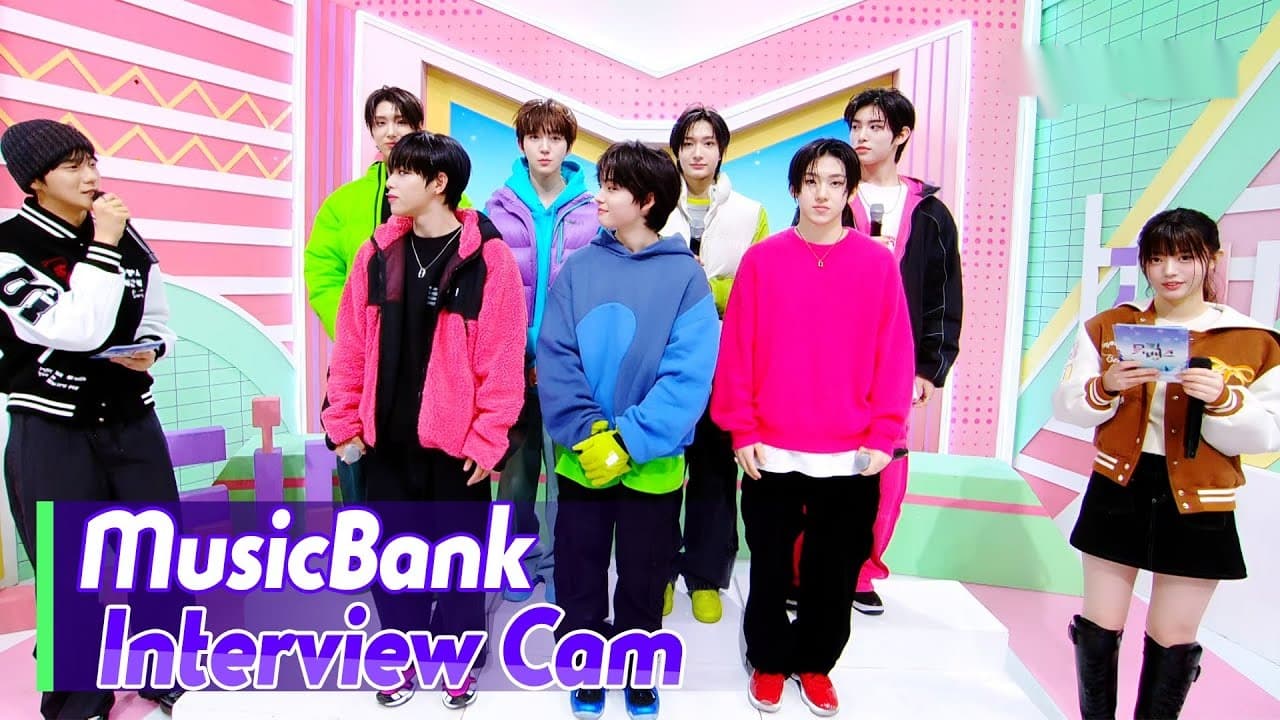
In January 2025, a seven-member boy group called KickFlip walked out of JYP Entertainment's training system and into one of the most competitive debut landscapes K-pop has ever produced. Their first mini album "Flip It, Kick It!" moved 276,881 copies in its opening week on Hanteo. By September, their third release "My First Flip" had crossed 403,066 — a 46% increase in just eight months. Now, with a pre-release single "Twenty" already through its music show cycle and a fourth mini album "My First Kick" locked for April 6, KickFlip is doing something that most rookie groups never manage: growing faster than the industry can categorize them.
The numbers deserve scrutiny. In a market where first-year groups routinely plateau or decline after debut hype fades, KickFlip has posted strictly ascending sales across every release. That trajectory placed them third among all rookie group albums on Hanteo in 2025, behind only CORTIS and Hearts2Hearts. For a group born from a survival show — SBS's LOUD — rather than years of traditional pre-debut marketing, this consistency is not accidental. It is the product of a deliberate strategy that reveals how JYP Entertainment has recalibrated its approach to building boy groups in the post-Stray Kids era.
The Sales Curve That Defies Gravity
K-pop's rookie economy operates on a well-documented pattern: explosive debut driven by pre-debut hype, a modest second release that tests core fandom strength, and then a decisive third comeback that determines whether a group will ascend or stagnate. KickFlip has cleared all three gates with increasing velocity.
The jump from 276,881 to 340,655 between debut and second release — a 23% increase — already outperformed industry norms. Most boy groups experience a dip on their second release as the curiosity-driven debut audience filters out. KickFlip's second album didn't just hold; it grew. The third release pushed further to 403,066, adding another 18% and firmly establishing a fandom — WeFlip — that isn't just loyal but actively expanding.
For context, compare this to JYP's previous generation flagship. Stray Kids' first three Korean mini albums sold approximately 118,000, 136,000, and 186,000 copies respectively in first-week Hanteo sales. Their breakout didn't come until their fifth or sixth release. KickFlip is already outpacing that curve by their third comeback, arriving at the 400,000 threshold that took Stray Kids years to reach.
"Twenty" and the Art of the Pre-Release Strategy
The decision to release "Twenty" as a standalone pre-release single on March 9 — nearly a month before the album — reflects a promotional strategy that has become increasingly common among 5th-generation groups but that KickFlip executed with particular precision. Rather than dropping the single as a simple teaser, the group committed to a full music show cycle: M Countdown on March 12, Music Bank on March 13, Show! Music Core on March 14, Inkigayo on March 15, and Show Champion on March 18.
The song itself carries thematic weight that resonates beyond its melody. "Twenty" captures the group's real-time experience of turning 20 — a milestone birthday in Korean culture that marks the transition to legal adulthood. The original Korean source article described it as a "clumsy declaration of independence," and that framing is deliberate. In an industry where manufactured personas are the norm, KickFlip's willingness to perform vulnerability — the awkwardness and uncertainty of growing up under public scrutiny — has become a defining brand characteristic.
This authenticity-first approach connects directly to their survival show origins. LOUD, which aired on SBS in 2021, was co-produced by JYP and P NATION (Psy's label). The show emphasized raw talent and personality over polished trainee aesthetics. That DNA has carried through into KickFlip's promotional identity: six members performing "Twenty" with hand microphones on music show stages, stripping away the elaborate choreography that typically defines boy group comebacks. It was a conscious choice to let the song and the singers carry the moment.
JYP's 5th-Generation Gambit
KickFlip doesn't exist in isolation. They are the centerpiece of JYP Entertainment's strategy for the current generation transition — a transition that every major K-pop label is navigating simultaneously. SM has aespa and RIIZE. HYBE has ILLIT and &TEAM. YG has BABYMONSTER. Each represents a significant investment in the next wave of artists that will sustain these companies' revenue streams as their 3rd and 4th-generation acts enter military service, pursue solo careers, or approach contract renewal windows.
JYP's approach with KickFlip has been distinctly different from its competitors. Where SM invested heavily in worldbuilding concepts and HYBE leveraged multi-label synergies, JYP has doubled down on what has historically been its core competency: high-frequency, personality-driven content cycles. KickFlip has released four mini albums (including the upcoming "My First Kick") in roughly 15 months since debut. That pace — a new release every 3.75 months on average — is aggressive even by K-pop standards.
The strategy carries risk. Rapid release schedules can exhaust both artists and audiences. But the sales data suggests KickFlip's fandom is not only keeping pace but accelerating. Each release cycle has functioned as an acquisition event, converting casual listeners into album purchasers at a rate that outstrips natural fandom growth curves.
The Amaru Variable and What It Reveals
One of the most telling details about KickFlip's current moment is what's happening off-stage. Member Amaru announced he would sit out "My First Kick" promotions to focus on treatment and recovery — a decision that the group and JYP communicated transparently rather than obscuring behind vague "health reasons" language. The six remaining members have continued promotions without diminishing intensity.
This openness about member health — and the demonstrated ability to maintain promotional schedules with reduced lineups — reflects a broader shift in how 5th-generation groups handle the physical toll of K-pop's demands. Where previous generations often concealed member absences or forced returns before full recovery, the current generation's labels have learned (sometimes through public backlash) that transparency and patience yield better long-term outcomes for both artist wellbeing and fan trust.
For KickFlip specifically, six-member "Twenty" stages proved that the group's appeal isn't contingent on any single member's presence — a structural resilience that bodes well for a long career in an industry where military service, health issues, and personal schedules inevitably disrupt group activities.
What April 6 Will Tell Us
The release of "My First Kick" on April 6 will function as a critical data point for multiple stakeholders. For JYP Entertainment, it will confirm whether KickFlip's ascending sales curve can survive a fourth consecutive release — the point at which even strong rookie groups historically experience their first plateau. For the 5th-generation boy group market, it will test whether the 400,000 first-week ceiling is a temporary barrier or a launchpad toward the 500,000 tier that separates mid-tier successes from genuine frontrunners.
And for KickFlip themselves — six members in their early twenties, navigating fame, adulthood, and a teammate's absence simultaneously — "My First Kick" is something simpler and more personal than a sales benchmark. It is the next step in a career that, fifteen months in, has already rewritten JYP's playbook for how fast a boy group can grow. Whether the industry is ready for what comes after remains to be seen. The numbers, so far, suggest it should be.
How do you feel about this article?
저작권자 © KEnterHub 무단전재 및 재배포 금지
Entertainment Journalist · KEnterHub
Entertainment journalist specializing in K-Pop, K-Drama, and Korean celebrity news. Covers artist comebacks, drama premieres, award shows, and fan culture with in-depth reporting and analysis.
Comments
Please log in to comment