KiiiKiii Jiyu's Unexpected Resume Is Why Death Game 2 Already Has Everyone Talking
Netflix's brain survival show returns with a tournament format — and a K-pop idol with a baduk ranking no one saw coming
 By Park Chulwon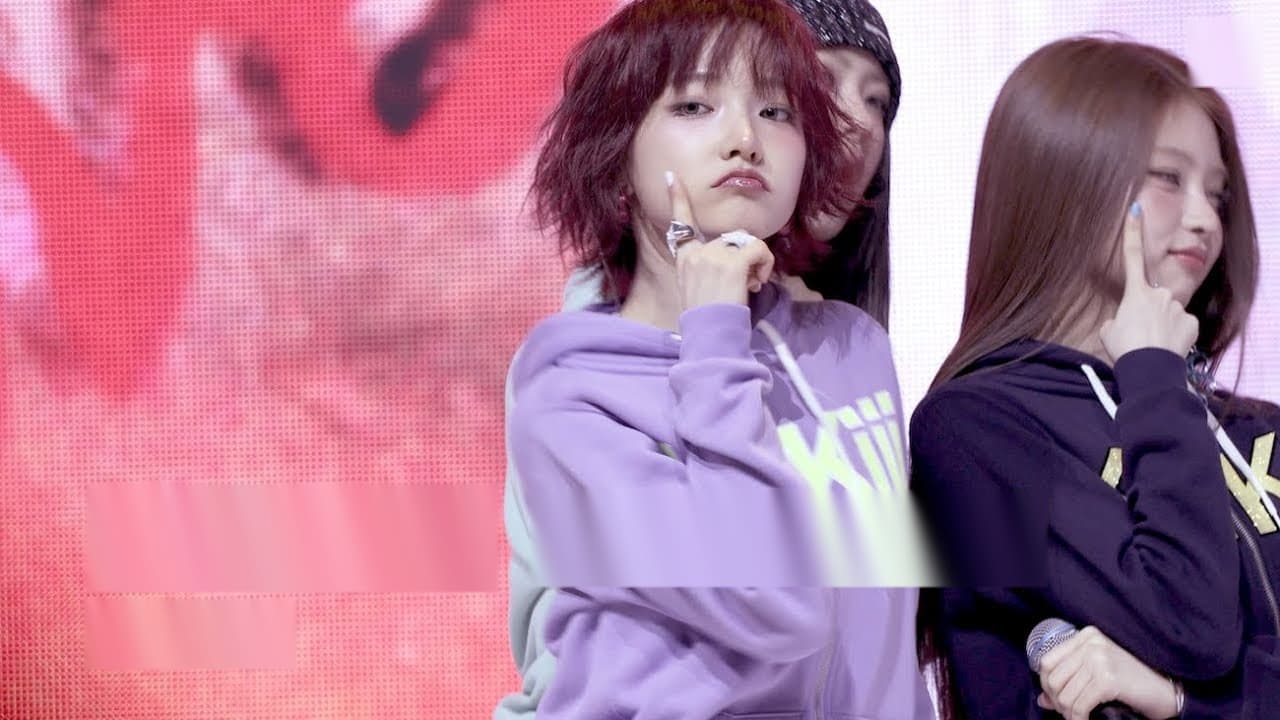
Netflix's most unpredictable Korean variety show is back — and it wasted no time raising the stakes. Death Game 2: The Last Winner (데스게임2: 최후의 승자) premiered on April 22, and within a single episode it delivered the psychological tension, unexpected revelations, and fierce competition that made the first season a hit.
But the biggest surprise of the premiere wasn't a twist in the game. It was the backstory of one of the new contestants: KiiiKiii's Jiyu, a K-pop idol whose resume turned out to be far more layered than anyone in the room anticipated.
From Season 1 Success to a Bigger Stage
The first season of Death Game wrapped up on April 1 after a run that built a dedicated following around its unlikely combination of intellectual competition, sharp strategy, and sharp personalities. When it ended, the unlikely champion was Pengsoo — the giant penguin mascot beloved by Korean audiences — who outlasted a field that included a Mensa member with an IQ of 156 and a KAIST artificial intelligence researcher.
Season 2 doesn't just continue that story. It rethinks the structure entirely. Under director Kwon Dae-hyun, the format has shifted from a series of individual one-on-one matches to a full tournament system designed to crown a single Last Winner across multiple rounds. The new structure includes preliminary rounds — where several players compete simultaneously for survival — as well as team matches requiring genuine cooperation to advance, and the classic one-on-one deathmatches from Season 1.
Kwon Dae-hyun described the change in terms of purpose: "Season 1 was about discovering the players' characters and their potential. Season 2 will be a battlefield focused solely on victory." The shift in framing is not subtle. Where the first season had the feel of an introduction — audiences learning who these people are — Season 2 begins already knowing the cast, and the games are designed to push them further.
A Cast Full of Familiar Faces and Wild Cards
Eight veterans from Season 1 return: Hong Jinho, comedian and rapper DinDin, IVE member Gaeul, Pengsoo, actor Park Sung-woong, comedian Seo Chul-goo, Mensa-qualified Yurisah, and KAIST AI researcher Heo Sung-beom. For audiences who watched the first season, seeing this group reunite in tournament format — where every match matters more — is its own draw.
Three new participants join them. Travel YouTuber Kwak Tube, who runs a channel with 2.15 million subscribers and recently became a first-time father, arrives with surprising confidence for someone crossing over from travel content. Park Hee-sun, who competed on Netflix's Single's Inferno 5 and is simultaneously enrolled at Carnegie Mellon University and attending Seoul National University as a visiting student, walks in with a competitive edge sharpened by very different kinds of pressure.
And then there is KiiiKiii's Jiyu.
The K-pop Idol With a Baduk Black Belt
KiiiKiii (키키) is a K-pop girl group, and Jiyu is its leader. That's the version of her that most people showed up expecting to see on Death Game 2. What they did not expect was the full picture.
Jiyu is a graduate of Busan Foreign Language High School — already a mark of academic seriousness. More surprising: she holds a first-dan rank in baduk, the ancient Korean strategy board game (known internationally as Go), which demands deep pattern recognition, long-term planning, and the ability to hold multiple competing strategies in mind simultaneously. First-dan is a serious competitive achievement, not a casual hobby.
She also cited IVE's Gaeul — her label senior and a Season 1 veteran — as a point of inspiration before the competition. "I'll win with the same tenacity that I bring to competitions," she said, making clear that this is not a celebrity cameo but a genuine attempt at going deep in the tournament.
The combination of idol performance background and board game discipline is unusual in K-entertainment circles, and it created an immediate question for viewers: does her baduk training translate into the kind of probabilistic, multi-step thinking that Death Game rewards? Episode 1 did not give a definitive answer — but it established her as someone worth watching closely.
Episode 1: The Preliminary Round Begins
The season opened with a preliminary round, placing Jiyu alongside Kwak Tube, Yurisah, Heo Sung-beom, and Park Hee-sun in a match called "운명전쟁39" (Fate War 39) — a game that blends probability calculation with psychological pressure, the kind of challenge that rewards both raw intelligence and mental composure under stress.
Yurisah picked up where she left off. The Mensa qualifier, who demonstrated dominant number-reading ability during Season 1, moved to the front of the field almost immediately and held that position through most of the episode. Her ability to process multiple outcomes simultaneously and commit to the optimal path before others have even framed the question is difficult to counter.
Kwak Tube entered with declared confidence. "I watch brain survival shows more than travel programs," he announced, positioning himself as someone who has studied this format rather than wandered into it. Whether that self-assessment holds up under actual tournament pressure remained unresolved by the episode's end — both he and Heo Sung-beom found themselves on the wrong side of the outcome, their elimination becoming the episode's cliffhanger.
Park Hee-sun made her presence felt early, declaring her intent directly: "I will win with the same tenacity as when I won in love" — a reference to her Single's Inferno 5 experience that landed as both a competitive statement and a piece of wry self-awareness about the different arenas she is navigating simultaneously.
MC Jang Dong-min Sets the Tone
Alongside announcer Park Sang-hyun, comedian and entertainer Jang Dong-min steps in as MC for Season 2, replacing the commentary setup from the first season. Jang Dong-min's presence brings a different kind of energy — he understands both the entertainment mechanics of variety and the competitive intensity the format demands.
His Season 2 preview statement set expectations high: "Look forward to seeing a new legend surpassing Hong Jinho." Hong Jinho — whose reputation in competitive gaming circles precedes him — was one of the defining characters of Season 1. That framing suggests Season 2 intends to build its own defining moments rather than repeat the first season's.
What the Second Season Is Really About
Beyond the upgraded format and expanded cast, Death Game 2 is attempting something that few Korean variety shows have managed: sustained intellectual drama that works as entertainment without condescending to its audience. The best moments of Season 1 came when strategic thinking became visible — when you could watch someone reason in real time and feel the weight of their choices.
The tournament structure makes those stakes higher. Every match now has downstream consequences. Losing in a preliminary does not just mean going home from a single episode — it means being shut out of the path to the final entirely. The pressure is structural, not just situational.
For IVE's Gaeul, returning as a Season 1 veteran, that pressure is personal. She knows the format, she knows how these games work, and she enters Season 2 with an established reputation that can either help or become a target. For Jiyu, the pressure is the inverse — unknown quantity, unexpected credentials, and a label senior to live up to in the same tournament bracket.
Death Game 2: The Last Winner drops new episodes every Wednesday at 5 p.m. KST on Netflix. After a premiere that delivered on multiple levels — new format, surprising contestants, and a first episode that ended on a genuine cliffhanger — Season 2 already looks like it intends to be more than a sequel. It looks like it has something to prove.
How do you feel about this article?
저작권자 © KEnterHub 무단전재 및 재배포 금지
Entertainment Journalist · KEnterHub
Entertainment journalist focused on Korean music, film, and the global K-Wave. Reports on industry trends, celebrity profiles, and the intersection of Korean pop culture and international audiences.
Comments
Please log in to comment