Kim Jung-nan Puts ATEEZ Fandom on TV
 By Seung Jung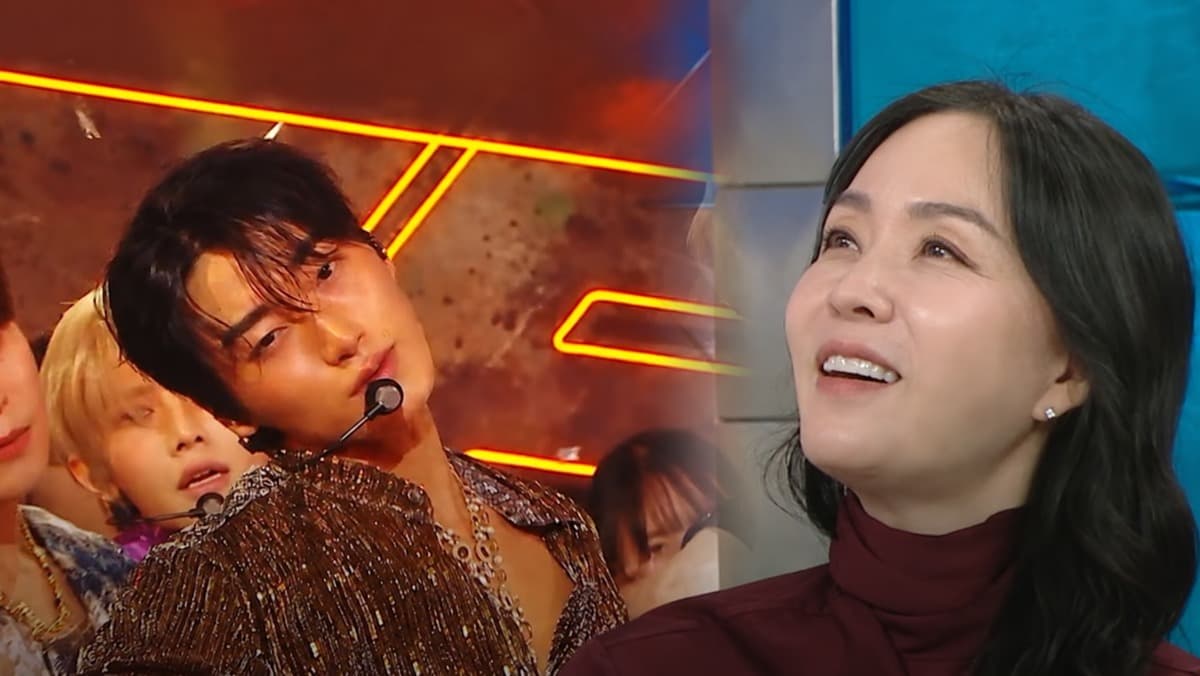
Kim Jung-nan turned a short Radio Star clip into a reminder of how visible adult idol fandom has become in Korean entertainment. In a video uploaded by MBC Entertainment on September 30, 2026, the actress spoke warmly about ATEEZ, explaining that the group's music suited her taste and that attending one of their concerts left her deeply satisfied.
The moment did not stay as a simple talk-show anecdote. Korean reports on October 1 said Radio Star ranked first in its national time slot, and the scene in which Kim discussed her life as a successful fan, including her affection for ATEEZ and the game Diablo, reached a peak minute rating of 4.4% according to Nielsen Korea figures cited by local outlets.
That response gives the clip a wider K-entertainment meaning. Kim was not promoting a new album or appearing as part of an idol campaign. She was speaking as a longtime fan whose taste crosses generations, from SHINee and BTS to ATEEZ. The result was a broadcast moment that treated fandom as a lived cultural habit rather than a young person's passing trend.
Kim Jung-nan’s ATEEZ Concert Story
In the MBC Entertainment clip, Kim described how ATEEZ's music caught her attention because its darker, dystopian color felt different from other groups. She said the group's sound matched her taste, and after previously mentioning that interest in her own content, she was invited to an ATEEZ concert. Her reaction on Radio Star was clear: she was happy to attend and came away with what she described as a 200% satisfying performance experience.
The strongest part of the exchange was its specificity. Kim did not speak about K-pop in vague terms. She pointed to ATEEZ's musical color, talked about preferring some earlier songs even as newer tracks trend, and showed the kind of listening history that fans recognize immediately. That is why the moment felt less like celebrity small talk and more like one fan explaining why a group stayed with her.
Park Mi-sun also appeared in the segment as someone whose taste overlaps with Kim's, and the two were shown as friends who can understand each other's fan language. Their exchange gave the clip a relaxed energy. Instead of framing idol fandom as unusual for established entertainers, the conversation treated it as part of their everyday interests, alongside animation, games and shared recommendations.
That tone matters. K-pop fandom is often reported through record sales, chart achievements and online metrics, but the Radio Star clip showed another layer: older viewers and working entertainers who consume idol music as fans, attend concerts and keep up with evolving group identities. For ATEEZ, being discussed in that context reflects how the group has built a musical signature recognizable beyond its core fandom.
A Peak-Minute Moment for Radio Star
The ratings detail gives the story measurable weight. Reports from BNT News and iMBC said the September 30 episode of Radio Star, featuring Park Mi-sun, Kim Jung-nan, Kim Sae-rom and Kim Su-mi, ranked first in its national time slot. The highest-rated minute was the segment where Kim opened up about her successful fan life, including the ATEEZ concert story and a separate anecdote about receiving a shield engraved with her name from the company behind Diablo.
A 4.4% peak minute is not only a number for broadcast performance. It shows that viewers responded to the mix of sincerity, humor and cultural fluency. Kim's story combined several identities at once: respected actress, longtime friend, game fan, idol fan and television guest. That combination made the segment feel more textured than a standard variety-show confession.
The episode also included more personal conversations, including Park Mi-sun discussing her cancer treatment and Kim speaking about her own past surgery and the support she received from Park. Those parts gave the broadcast emotional depth, while the fandom stories brought a lighter but still meaningful look at how the guests find joy, connection and recovery through culture.
For international readers, the clip is also a useful snapshot of Radio Star's long-running appeal. The program often works best when celebrity guests move between laughter and honest disclosure without making either mode feel forced. Kim's ATEEZ story fit that pattern: it was funny, specific and revealing, but it also said something about the comfort people find in music and fan communities.
Why This ATEEZ Mention Resonates
ATEEZ has spent years building an identity around intense performance, dramatic world-building and a sound that often leans darker and more cinematic than bright mainstream pop. Kim's description of being drawn to that distinctive color lines up with how many fans talk about the group. She was not merely saying she liked an idol group; she was identifying a musical atmosphere that made them stand apart.
That kind of recognition is valuable because it travels differently from promotional praise. When an actor known to general television audiences explains why a group's music fits her taste, the comment can reach viewers who may not follow K-pop closely. It gives them an entry point: not every listener has to know the full lore or discography to understand that ATEEZ has a strong, recognizable identity.
The moment also normalizes multi-generation fandom. Korean reports noted that Kim has followed idols across eras, including SHINee, BTS and ATEEZ. That progression mirrors the way many fans actually move through K-pop: they discover one group, keep listening, then find new artists as the industry changes. Rather than replacing one fandom with another, they build a personal map of music, performances and memories.
For ATEEZ, the clip offers a small but useful cultural signal. The group is not only being watched by its core fandom; it is being named on mainstream entertainment television by a public figure who can articulate why their sound works for her. In a crowded idol market, that kind of organic recognition can matter as much as a formal promotional appearance.
The Radio Star segment ultimately worked because it felt lived-in. Kim Jung-nan sounded like someone who listens, attends concerts and remembers what moved her. The fact that viewers responded strongly enough to make the scene the episode's highest-rated minute suggests that audiences are ready to see fandom treated with warmth rather than distance.
As the clip circulates on YouTube, it gives both Radio Star and ATEEZ fans a shareable moment. It is a variety-show conversation, a ratings highlight and a small portrait of how K-pop fandom can cross age, profession and genre boundaries. That is why a few minutes of Kim Jung-nan talking about ATEEZ became more than a celebrity anecdote: it became a clear example of fandom's place inside everyday Korean entertainment culture.
How do you feel about this article?
저작권자 © KEnterHub 무단전재 및 재배포 금지
Senior Entertainment Correspondent · KEnterHub
Senior entertainment correspondent with a wide-angle view of Korean show business. Seung Jung covers celebrity news, variety television and award season, and writes the interviews and features that connect individual stories to the larger currents of Korean entertainment.
Comments
Please log in to comment