Kim Won-hoon's Wanghong Makeover Has Fans Stunned
 By Jang Hojin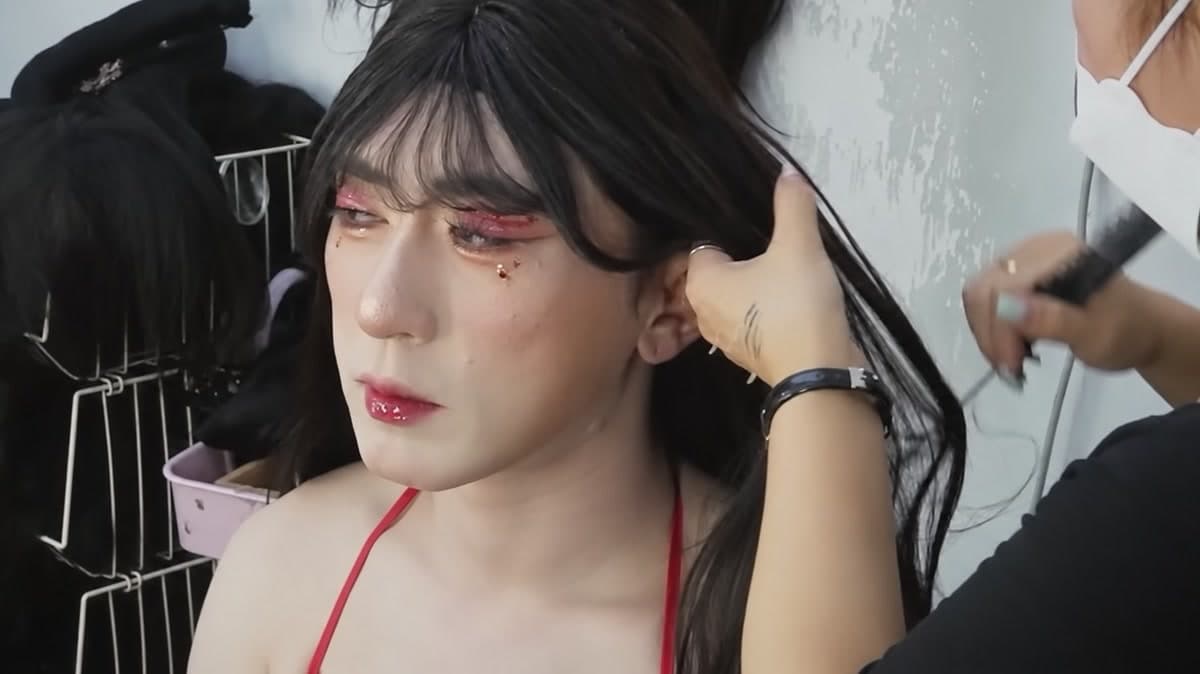
Kim Won-hoon has turned a beauty trend into one of the strangest comedy moments of the week. The comedian joined the growing wave of Korean celebrities trying wanghong makeup, a highly stylized Chinese influencer look, and his dramatic transformation has pushed the trend from glamorous curiosity into full variety-show spectacle.
The latest buzz began after Kim shared a transformation clip on social media on July 2, deliberately inviting viewers to react harshly to the result. Instead of a standard makeover reveal, the post became a joke-driven comment event, with fellow entertainers and fans responding to the contrast between Kim's familiar comic image and the polished, doll-like styling associated with the wanghong look.
From Glamorous Challenge to Comedy Shock
Wanghong, a Chinese term often used for internet-famous influencers, has become familiar to Korean audiences through makeover content built around heightened facial definition, elaborate hair, ornate costumes and fantasy-style photo shoots. In Korean entertainment coverage, the trend has been framed less as everyday beauty advice and more as a visual experiment: What happens when a celebrity steps completely outside the image viewers know?
Actor Han Ga-in helped bring the trend into Korea's entertainment conversation earlier this year. On March 12, she uploaded a video to her YouTube channel in which she traveled into the full wanghong look, explaining that she wanted to try the trend because it was becoming popular. The result presented her with traditional Chinese-inspired styling, rich accessories and a heightened beauty concept that made the video easy to share.
Broadcaster Park Ji-yoon also joined the conversation by posting her own wanghong-style photos from a Shanghai trip. According to Korean reports, she said she had hesitated before sharing the images because other celebrities' photos looked so impressive, but eventually decided to reveal the result after articles about the trend had already appeared.
Those early examples leaned toward fascination and beauty. Kim Won-hoon's entry changed the mood. By applying the same kind of dramatic styling to a comedian known for playing with awkwardness and self-mockery, the trend became less about transformation as fantasy and more about transformation as a punchline.
That shift explains why the reaction traveled quickly. The image is not only surprising; it also asks viewers to compare two versions of the same public figure. One is Kim as audiences recognize him from sketches and variety appearances. The other is an unexpectedly delicate, heavily styled version that seems designed to break that image as loudly as possible.
Why Kim Won-hoon's Post Worked
Kim did not simply upload a polished makeover and wait for compliments. He framed the reveal as an open invitation for mockery, which gave friends, colleagues and fans permission to play along. That framing is important because it turned the comment section into part of the performance rather than a separate reaction after the fact.
Reports note that singer Lyn and comedian Um Ji-yoon left short, startled responses, while fitness creator Shim Euddeum and model Song Hae-na added more openly teasing comments. The specific wording varied in tone, but the shared message was clear: the transformation was funny, unsettling and memorable enough that other public figures wanted to react in public.
Kim followed the clip with additional images showing the process and result of the makeover. One photo also included Choi Hong-man, the former fighter and entertainer whose height of more than two meters made the visual joke even larger. In the image described by Korean media, Choi stands with Kim and Jo Jin-se, creating an exaggerated contrast between the ornate styling and the physical comedy of the group shot.
The three are connected through Wavve's original variety program Gulliver's Travels, which adds another layer to the moment. The title itself already suggests scale, odd encounters and comic displacement, making a photo that pairs a towering Choi with transformed castmates feel like an extension of the show's playful identity.
For Kim, the makeover also fits a broader pattern in Korean comedy, where performers often use beauty, fashion and idol-style presentation as tools for image reversal. The joke is not that makeup itself is strange. The joke is the distance between a performer's established persona and the unexpected seriousness of the styling.
A Trend That Crossed Gender Lines
One reason the story stands out is that wanghong makeup coverage in Korea initially focused heavily on female celebrities. Han Ga-in's video worked because viewers were interested in how an actor already known for her classic beauty would look after entering an even more stylized visual system.
Kim Won-hoon and Choi Hong-man push the trend into a different zone. Their participation suggests that the format has become recognizable enough that male entertainers can use it for comedy without needing a long explanation. Viewers know the visual grammar: pale, perfected skin, enlarged eyes, carefully shaped features, soft hair and costume elements that evoke a fantasy portrait rather than a daily look.
That recognition is what lets the joke land quickly. A male comedian entering that visual world creates immediate contrast, but it also shows how flexible the trend has become inside Korean entertainment. It can be sincere, glamorous, awkward, funny or intentionally excessive depending on who is using it and how they frame the reveal.
The trend also reflects the way Korean celebrity culture now absorbs visual ideas from multiple digital markets. Beauty and styling concepts move quickly across Chinese platforms, Korean YouTube, Instagram, fan communities and entertainment news sites. Once a look becomes recognizable, celebrities can remix it for their own audiences, turning a regional online style into a cross-border variety topic.
For English-language readers, wanghong makeup may be easiest to understand as a makeover format designed for maximum visual impact. It is not subtle styling. It is built to photograph dramatically, to look different from the subject's usual image and to produce the kind of before-and-after shock that moves well on social platforms.
Why This Became More Than a Makeover
Kim Won-hoon's post gained traction because it had several shareable elements at once. There was a recognizable trend, a celebrity willing to make himself the joke, reactions from other entertainers, and a connection to a current variety project. Each detail made the story easier for entertainment sites and fan communities to discuss.
The tone of the reactions also helped. Fans described the result in mixed terms, finding it pretty, funny and slightly frightening at the same time. That combination is exactly the kind of ambiguity that fuels online conversation: viewers are not simply admiring or rejecting the image, but trying to decide what they are looking at.
Kim's willingness to lean into that ambiguity is the key. By asking for negative comments, he removed the pressure to respond politely and turned the reveal into a shared gag. It made the post feel less like a celebrity testing a beauty trend and more like a comedian designing a reaction trap for his own followers.
The larger trend is unlikely to stop with one viral post. Once a makeover format proves it can generate both glamour and comedy, more entertainers are likely to test it in videos, variety segments and social-media promotions. The next version may be more polished, more chaotic or more deliberately absurd.
For now, Kim Won-hoon's wanghong transformation shows how quickly a visual trend can change meaning once it enters the hands of comedians. What began as a glamorous influencer-style challenge has become a tool for self-parody, cast chemistry and cross-cultural entertainment buzz. That is why the image is being discussed not just as a makeover, but as a perfectly timed variety moment.
How do you feel about this article?
저작권자 © KEnterHub 무단전재 및 재배포 금지
Entertainment Journalist · KEnterHub
Entertainment journalist specializing in K-Pop, K-Drama, and Korean celebrity news. Covers artist comebacks, drama premieres, award shows, and fan culture with in-depth reporting and analysis.
Comments
Please log in to comment