Kim Yechan Reimagines Lee Young-hyun's Ballad
 By Ricky Joo
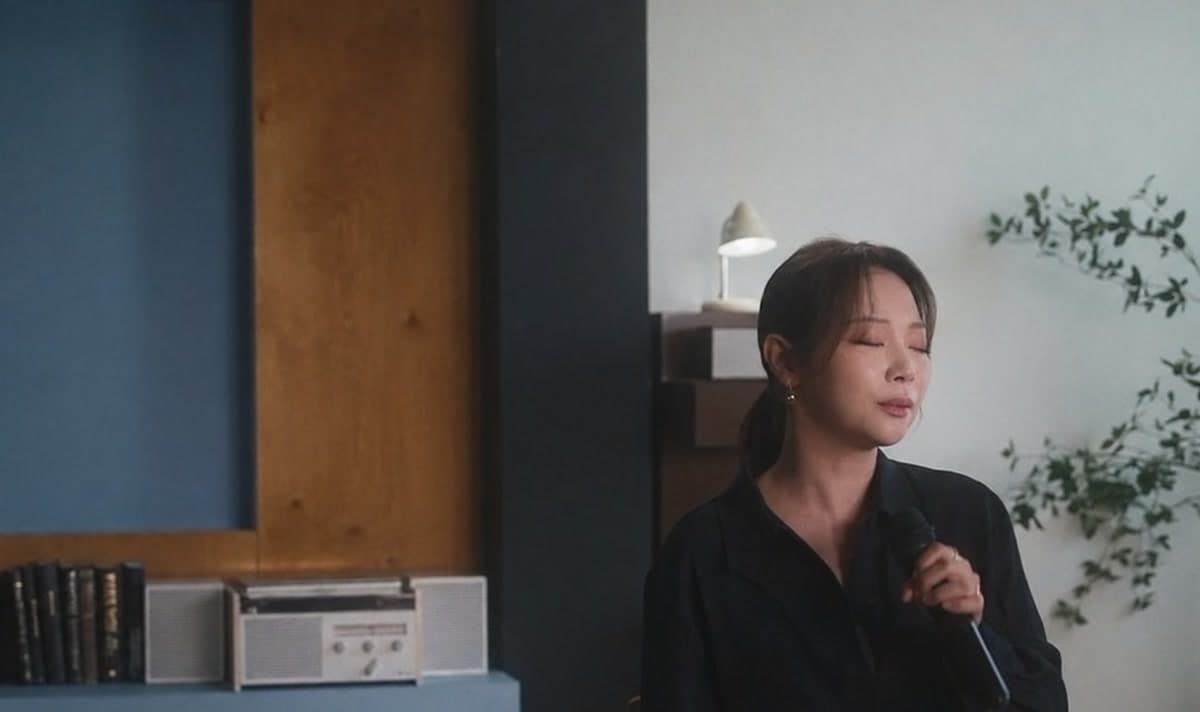
Kim Yechan has released the official music video for “Sorry, But I Love You,” a new interpretation of Lee Young-hyun’s well-known ballad. Uploaded by 1theK, the video accompanies a release that connects the singer’s recent television recognition with a classic Korean vocal showcase.
The official 1theK upload identifies the song as “Sorry, But I Love You (미안해, 사랑해서...),” and the video was posted on October 14. 1theK's official upload shows that the music video went live at 6 p.m. on October 14, while the digital release was scheduled for the same evening. The timing places the YouTube premiere and the digital release within the same immediate discovery window for listeners.
A remake built around vocal interpretation
The song was originally released by Lee Young-hyun as the title track of her first solo album in 2009. Its emotional center is the direct expression of separation, regret and lingering longing. By choosing that material, Kim Yechan is working with a song whose appeal depends less on novelty than on how convincingly a new singer can reshape its emotional temperature.
The remake's arrangement begins by building the feeling calmly before rising more dramatically in the latter half. That structure gives the vocalist room to control the song rather than simply overpower it. The early restraint can draw listeners into the narrative, while the later escalation creates the release expected from a major ballad performance.
Kim Yechan’s public profile has been strengthened by televised singing competitions. Coverage of the release identifies him as a contestant who reached the final seven of Sing Again 4, while also noting his win on ENA’s Undercover. Those results provide context for the remake: it is not an attempt to introduce an unknown voice, but a chance for an already visible vocalist to establish a more personal recording identity.
That context also changes how the title should be heard. A line such as “Sorry, but I love you” can sound simple on paper, yet the performance has to communicate the contradiction inside it. Apology and attachment occupy the same phrase. A singer with a strong technical foundation can make that tension audible through breath, pacing and the decision about when to let the arrangement expand.
Why the 1theK video expands the song’s reach
According to 1theK’s official channel description, its uploads serve as official music-video distribution and count toward music-show views. The platform therefore gives Kim Yechan’s remake a recognized home that is easy for domestic and international K-pop listeners to find. It also places the video alongside other new releases, allowing listeners who first arrive through a playlist or channel search to encounter the song without relying on unofficial reposts.
The visual release matters because ballads are often judged through repeated listening. A music video gives a first emotional frame, but the song’s longer life will depend on whether audiences return to the audio, share the performance and compare Kim Yechan’s version with Lee Young-hyun’s original. The remake has a built-in conversation: longtime listeners bring their memory of the 2009 song, while newer fans hear the composition through a current vocalist.
That intergenerational quality is one of the strongest reasons the release can travel beyond the immediate television audience. Fans who followed Kim Yechan through competition programs have a reason to support his next step. Listeners familiar with Lee Young-hyun have a reason to evaluate the new arrangement. Both groups meet at the same question: what emotional color does Kim Yechan add to a song already associated with powerful feeling?
The song gives particular weight to his wide range, firm vocal projection and detailed technique. Those descriptions are especially relevant here because the song’s structure rewards control. The opening needs enough space for the words to register; the climax needs enough force to justify the remake’s dramatic promise. The contrast can make the performance feel shaped rather than merely loud.
From competition recognition to recorded identity
For Kim Yechan, “Sorry, But I Love You” functions as a bridge between recognition and continuity. Competition programs can introduce a singer to a large audience very quickly, but an official single tests whether that attention can become a sustained relationship. A remake is a sensible first step because the material gives listeners an immediate emotional reference while leaving the performer responsible for the new interpretation.
The song also gives him an opportunity to show a mature side. The emotional vocabulary is not built around a cheerful hook or a performance challenge; it is centered on the aftermath of love. If the vocal rises naturally from quiet reflection to a larger final passage, the track can communicate growth without needing an elaborate concept.
Digital availability at 6 p.m. and the official music video’s circulation on 1theK create several paths for discovery. Fans can watch the visual, move to streaming services and discuss the remake’s differences from the original. Those actions are important for a ballad because its momentum is often built gradually through recommendations, cover attempts, short clips and repeated listening rather than through one explosive dance trend.
The remake can also encourage listeners to revisit the original. When a familiar song is re-recorded, comparisons are natural, but they do not have to be competitive. Lee Young-hyun’s version provides the historical and emotional reference point; Kim Yechan’s version can show how a younger vocalist responds to the same melody after a different set of performance experiences. That exchange keeps the older song active while giving the new release its own reason to exist.
For fans who first encountered Kim Yechan on television, the official video offers a more permanent object than a single broadcast stage. A competition appearance can be replayed by viewers, but an official music video is a recorded statement that remains searchable and shareable. It gives the audience a way to follow his progress through a release that is attached to his name rather than only to a program episode.
The song’s emotional restraint may ultimately become its advantage. At a time when many releases compete for attention through speed and spectacle, a carefully staged ballad asks listeners to stay with the voice. If the arrangement’s gradual rise is matched by a precise performance, the song can build an audience through trust: fans return because they want to hear how the feeling unfolds again.
Kim Yechan’s next challenge will be to turn the remake’s initial curiosity into a durable musical signature. The song gives him a respected foundation, but the audience will ultimately remember the choices he makes inside it: how he starts, how he holds back, and how he lets the final emotion arrive.
With its official 1theK video and carefully staged emotional rise, “Sorry, But I Love You” presents Kim Yechan as a vocalist ready to move beyond competition-stage recognition. The remake honors a familiar song while making room for a new chapter, and its reception will show how strongly listeners connect with his interpretation.
How do you feel about this article?
저작권자 © KEnterHub 무단전재 및 재배포 금지
New Music & Comebacks Reporter · KEnterHub
New-music reporter covering K-pop comebacks as they drop. Ricky Joo tracks official channel premieres, music video releases and debut showcases, breaking down what each comeback signals about an artist's next chapter — often within hours of release.
Comments
Please log in to comment