Ku Hye-sun Turns Patented Hair Roller Into Retail Venture
 By Jang Hojin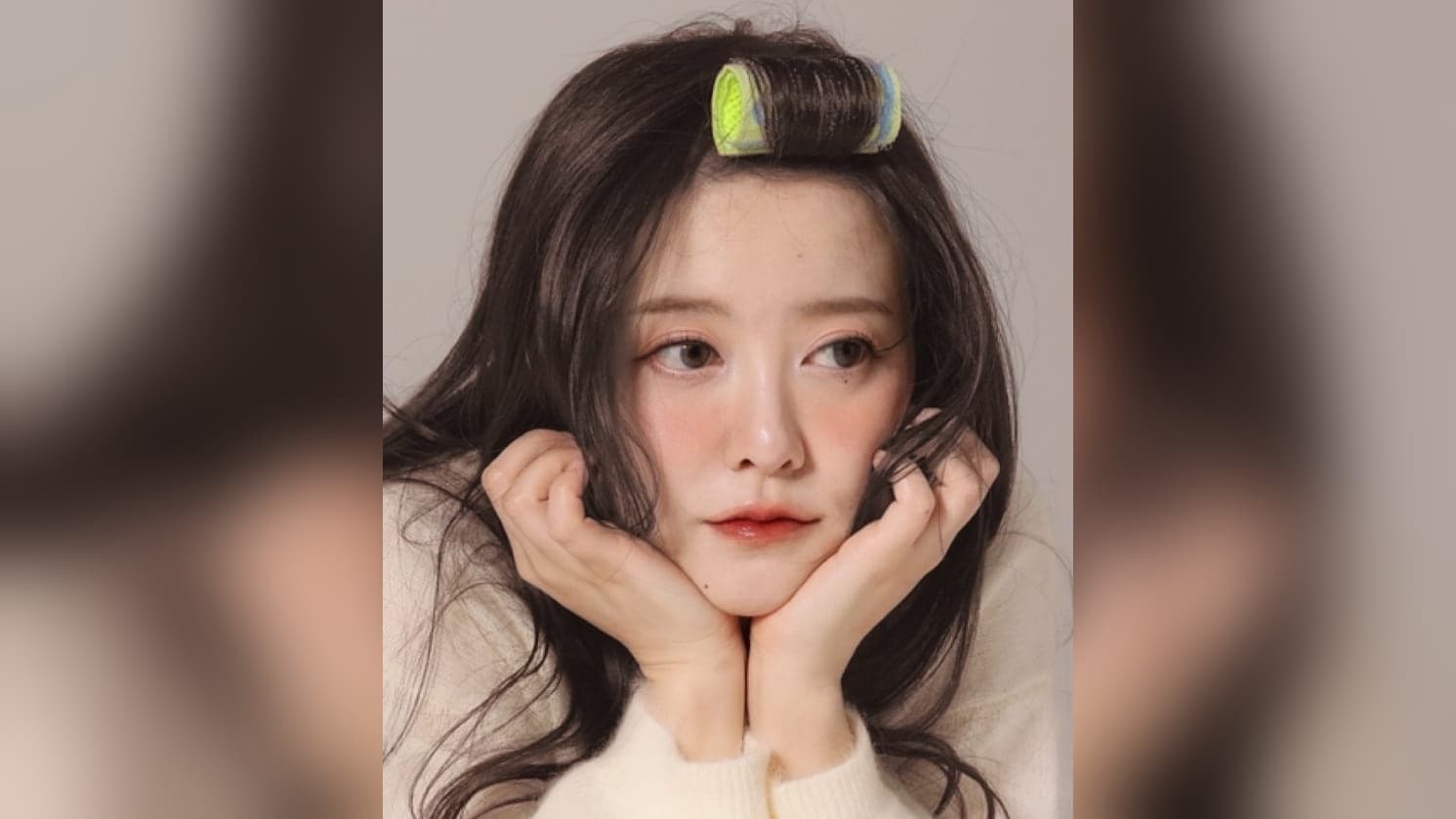
Ku Hye-sun has moved another step beyond the familiar career path of a Korean screen star. The actress, filmmaker and artist says her patented foldable hair roller has completed trademark registration and entered duty-free retail, turning a personal invention into a more visible consumer product.
The update matters because it is not simply another celebrity-branded beauty item. Ku personally developed the idea and design for the roller, has promoted it directly through live commerce, and is now tying the product to a broader shift in her public identity: from actress and multi-hyphenate artist to inventor and business operator.
A Beauty Tool Built Around Portability
According to Korean reports, Ku shared the latest development on June 29 through her social media account, writing that the product had completed trademark registration and had been stocked at a duty-free shop. The photos she posted reportedly showed both the trademark certificate and the product being sold in a retail setting, giving fans a concrete sign that the project has moved beyond the development and launch stage.
The product is described as a “foldable hair roller,” a redesign of the standard cylindrical roller that many consumers use to add volume or shape to their hair. Rather than being stored as a bulky tube, Ku’s version is designed to flatten for easier carrying and then form into a usable roller shape. Reports describe the structure as using a waved mold form with silicone lamination over a high-function polymer composite material, replacing a conventional metal frame with a design focused on flexibility and storage.
That technical detail is part of what makes the story stand out in the Korean entertainment cycle. Celebrity side businesses are common, but Ku’s project has been framed around a specific user problem: why a small beauty tool used in daily life still needs to take up so much space in a bag. Earlier coverage of the invention noted that she had questioned the fixed round shape of hair rollers after seeing students carry them around, then worked toward a flatter design that could be packed more easily.
The product has also drawn attention for its environmental pitch. Reports say Ku explained that the design reduces plastic content by more than 80 percent, while the relatively high early retail price was connected to small initial production volume and higher manufacturing costs. That explanation came after some consumers questioned why a hair roller would cost more than a typical mass-market version.
From Patent to Trademark to Retail Shelf
The latest duty-free placement gives the project a more commercial shape. Ku had already presented the hair roller through live shopping, appearing herself to introduce the item and speak with consumers. Trademark registration and duty-free stocking now create a clearer path from idea to protected brand to physical retail presence.
Several Korean outlets described the development as a milestone for Ku’s business ambitions. The reason is timing: in June, she also revealed documentation showing that she had been recognized as a prospective venture business representative, with the certification period listed from May 28, 2025, to May 27, 2028. That positioned the hair roller not just as a one-off celebrity product, but as part of a longer technology-based business push.
Earlier reports also connected the invention to Ku’s academic path. She is studying in a master’s program at KAIST’s Graduate School of Science Journalism, and previous coverage said she had collaborated with KAIST professor Lee Hae-shin on the development of the foldable roller. On MBC’s Radio Star, Ku had previously said she registered the patent while working toward graduation requirements, adding a personal academic context to the invention.
The patent itself was reportedly filed in July 2020 and formally registered in December 2021. That timeline is important because it shows the duty-free launch did not happen overnight. The project has moved through years of ideation, registration, product development, publicity, live commerce and now retail expansion.
Why Fans Are Paying Attention
For international readers who know Ku mainly through K-drama, the business turn may feel unexpected. She debuted as an advertising model in 2002 and became widely known through television dramas including Nonstop 5, Pure in Heart, The King and I, Boys Over Flowers and Blood. Boys Over Flowers, in particular, remains one of the K-drama titles that introduced many overseas viewers to the late-2000s Korean wave.
But in Korea, Ku has long been known for moving across creative fields. She has directed films including The Madonna, Magic, The Peach Tree and Daughter, released books and music, and held art exhibitions. Her image has often been tied to the idea of a self-directed artist who does not remain inside a single entertainment category.
The hair roller story extends that image into a more practical field. It is not a drama casting announcement or a one-day viral post; it is a case of a celebrity using her name, studies and design interest to bring a small consumer product into market channels. For fans, that makes the update easy to share: the object is simple, the problem is familiar, and the career pivot is distinctive.
There is also a strong visual and social-media element. A foldable beauty tool, a trademark certificate and a duty-free display all produce the kind of proof points that work well in short-form entertainment news. They let readers see progress, not just hear about plans. In the celebrity economy, where many projects are announced and then fade, visible retail placement can change how seriously the public reads a venture.
A Different Kind of K-Entertainment Success Story
Ku’s move also reflects a broader pattern in Korean entertainment, where public figures increasingly build careers outside performance. Some launch fashion labels or food brands; others move into production, writing, education or investment. Ku’s case is slightly different because the product is tied to patent language and a functional design claim rather than only personal taste or endorsement power.
That does not remove the challenges. Beauty accessories are competitive, and a patented structure does not guarantee broad consumer adoption. Price, durability, distribution and repeat purchases will matter if the foldable roller is to grow beyond curiosity-driven demand from fans. Duty-free retail can raise visibility, but the product will still need to prove itself as useful to ordinary buyers who may not follow Ku’s career closely.
Still, the latest step gives Ku a stronger story to tell. She can now point to a product with patent history, trademark protection, live-commerce exposure, venture-business context and a duty-free shelf. For a star whose career has already crossed acting, directing, writing, music, art and graduate study, the foldable hair roller adds a practical invention to a notably wide resume.
The next question is whether this becomes a niche celebrity invention or the start of a lasting beauty-tech brand. For now, Ku Hye-sun has turned a common hair accessory into one of the more unusual entertainment-business stories of the summer: a K-drama star’s small design idea, folded flat for portability, unfolding into a real retail venture.
How do you feel about this article?
저작권자 © KEnterHub 무단전재 및 재배포 금지
Entertainment Journalist · KEnterHub
Entertainment journalist specializing in K-Pop, K-Drama, and Korean celebrity news. Covers artist comebacks, drama premieres, award shows, and fan culture with in-depth reporting and analysis.
Comments
Please log in to comment