Lee Ho-sun's JTBC Clip Turns Tough Advice Viral
JTBC Entertainment's official Divorce Camp highlight reframes a couple's standoff as a sharper conversation about apology, repair and televised counseling.
 By Jang Hojin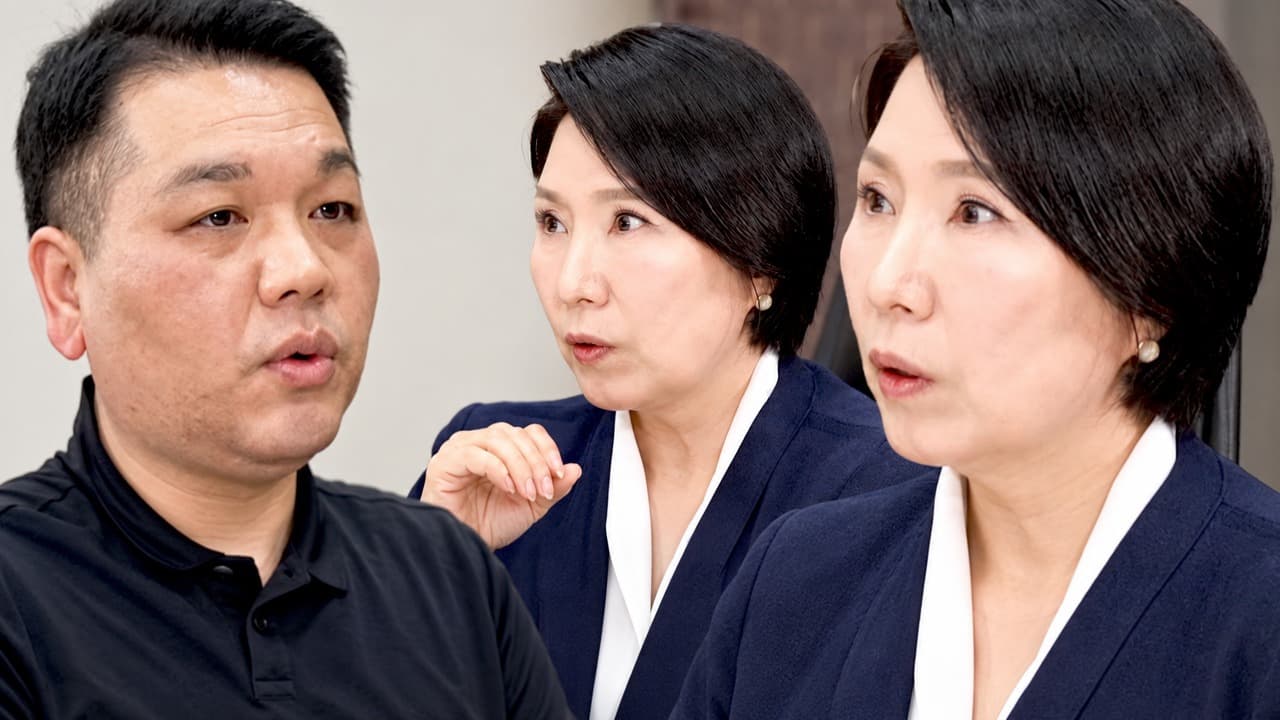
JTBC Entertainment has turned a single counseling-room moment into the latest talk point around Korean relationship variety. The broadcaster's official YouTube channel released a new highlight from Divorce Camp, led by the blunt title line that Lee Ho-sun calls a husband "out of his mind" after he refuses to apologize despite a long list of mistakes. The clip is built for immediate reaction, but its significance is larger than one explosive sentence. It shows how Korean broadcasters are using short-form official highlights to frame longer unscripted programs around one clear emotional question: what does repair look like when a person still will not admit harm?
According to JTBC Entertainment's official YouTube channel, the video is a 20-minute highlight centered on Lee Ho-sun's direct intervention in a dispute identified through the program hashtags as the "truth battle couple." The description also points viewers back to the program's official replay page and keeps the show's practical recruitment message in view, inviting couples who want to recover their relationship to apply through JTBC. That combination matters. This is not only a dramatic clip designed for shares; it is also a branded doorway into the full program, the replay ecosystem and the show's counseling format.
The video arrives at a moment when Korean variety is leaning harder into expert-led formats. Dating programs, family interventions, divorce counseling and workplace reality shows increasingly rely on specialists who can turn messy private conflict into language audiences can debate. Lee Ho-sun's role in the highlight fits that pattern. The draw is not simply that she speaks harshly. It is that she translates frustration into a judgment viewers can immediately understand, then forces the central question back onto accountability.
Why This Highlight Works
The official title gives away the clip's editorial strategy. It does not ask viewers to wait for a subtle conclusion. It identifies the confrontation, names Lee Ho-sun as the person delivering it and frames the husband's refusal to apologize as the central conflict. That is how modern broadcaster YouTube channels package long-form television for mobile audiences. The clip must be legible before anyone presses play. In this case, the promise is direct: a counselor will say the thing viewers may already be thinking.
That kind of packaging can look aggressive, but it also reflects how relationship programs are consumed after broadcast. Many viewers do not encounter the full episode first. They see a highlight on YouTube, a short caption on social media or a quote card circulating through fan communities. The official channel therefore has to turn one segment into a complete emotional unit. This JTBC highlight does that by setting up a clear triangle among the husband, the unresolved mistakes and Lee Ho-sun's refusal to let the conversation slide into excuses.
The phrase at the center of the title is memorable because it is less polished than the usual language of counseling television. It carries the force of ordinary speech while still functioning inside an expert-led format. Viewers who are tired of vague apologies can recognize the situation quickly. Viewers who are cautious about public shaming can debate whether the language goes too far. Either way, the highlight gives the audience a specific point of entry.
The clip also demonstrates the advantage of official broadcaster uploads over unofficial commentary fragments. The source comes directly from JTBC Entertainment, includes the program hashtags and links back to JTBC's replay infrastructure. That reduces ambiguity about context. It also lets the network own the conversation around a sensitive topic instead of leaving the segment to be reframed entirely by third-party clips.
Lee Ho-sun's Appeal Is Directness With Structure
Lee Ho-sun's screen value in this kind of program comes from a difficult balance. If an expert is too gentle, the format loses urgency. If an expert is only severe, the program can feel punitive rather than constructive. The highlight uses her directness as the dramatic engine, but the broader premise of Divorce Camp keeps that directness tied to possible repair. The show is not selling conflict for its own sake. Its official description in the YouTube post still emphasizes couples who want to recover a relationship and a panel of experts waiting to help.
That context changes how the headline moment reads. The point is not merely that a husband is criticized. The point is that apology is treated as a necessary starting line for any recovery. In relationship reality television, refusal to apologize often becomes more revealing than the original mistake. It signals whether a participant can recognize another person's pain, whether they understand the gap between intention and consequence and whether they are willing to participate in the work the program claims to offer.
For international viewers of Korean unscripted content, this is also a useful example of how Korean broadcasters have developed a distinct counseling-variety grammar. The editing often places emotional confession, expert diagnosis and audience catharsis in quick succession. The result can feel more intense than Western talk formats, but it also gives the programs a clear moral architecture. There is a conflict, there is an expert reading of the conflict and there is a question about what the participants will do next.
Lee Ho-sun's blunt line works because it compresses that architecture into a shareable moment. The audience understands that the issue is not only the husband's behavior but his resistance to the basic social act of apology. That is why a highlight about one couple can become a broader discussion about marriage, gender expectations and the emotional labor of repair.
What It Says About JTBC's Variety Strategy
JTBC Entertainment's upload also shows how broadcasters are treating YouTube as a second editorial surface rather than a dumping ground for leftovers. The clip is long enough to preserve scene development, but the title and description are optimized for search, hashtags and quick emotional recognition. The program name, the expert's name and the conflict phrase all appear clearly. That makes the video searchable both for viewers who follow Divorce Camp and for casual users who arrive through relationship-topic recommendations.
The strategy is especially important for programs built around episodic counseling. A music performance clip can circulate because the performance itself is complete. A drama teaser can circulate because it promises a future episode. A counseling highlight has a harder job: it must make viewers care about people they may not know, and it has to do so without reducing the participants to caricature. The JTBC clip solves that by focusing on a universal relationship behavior. Most viewers have seen an apology withheld, delayed or turned into another argument. That recognition makes the segment travel.
The recruitment language in the description adds another layer. By inviting couples who want to restore their relationship, the channel reminds viewers that the show is an active format, not only a finished broadcast product. The YouTube clip becomes both promotion and intake funnel. It shows the kind of intervention the program can provide, then offers a path for people who identify with the premise.
This is where the official source matters most. A third-party viral upload might emphasize only the confrontation. JTBC's version keeps the confrontation attached to the program's institutional frame: replay on the official site, application information and the promise of expert help. For a sensitive subject like marital conflict, that framing is not cosmetic. It helps define the segment as counseling entertainment rather than pure spectacle.
Fan Reaction and Viewer Debate
The likely reaction pattern is easy to predict because the clip has built-in debate points. Some viewers will applaud Lee Ho-sun's firmness, especially if they read the husband's refusal to apologize as the core injury. Others may question whether televised counseling can ever handle a couple's private conflict without intensifying public judgment. Both responses are part of the genre's appeal. These programs ask audiences to evaluate behavior from the outside while knowing they are only seeing an edited version of a much longer relationship.
That tension is exactly why official highlights have become so influential. They do not only summarize episodes. They define the first public vocabulary around a conflict. In this case, the vocabulary is accountability. The clip positions apology not as a ceremonial phrase but as evidence that a person understands why the relationship is damaged. For viewers, that is a clear and discussable standard.
The segment may also broaden attention around Lee Ho-sun herself. Expert personalities in Korean variety often gain recognition through repeated moments of unusually clear speech. They become trusted not because they avoid discomfort but because they appear willing to name it. If this highlight continues to circulate, it will reinforce Lee's image as a commentator who cuts through defensive language and returns the conversation to responsibility.
At the same time, the clip's success will depend on whether audiences feel the program offers more than scolding. The strongest counseling-variety moments give viewers a sense that change is possible, even when the diagnosis is severe. JTBC's description keeps that possibility alive by foregrounding relationship recovery and expert support. The video title may be confrontational, but the format still points toward repair.
What Comes Next
For Divorce Camp, the next question is whether the full episode sustains the complexity that the highlight promises. A viral line can bring viewers in, but a program about couples has to make room for context, consequence and follow-through. If the longer broadcast shows how the husband responds after being challenged, whether the wife feels heard and what specific steps the experts propose, the highlight will function as a strong entry point rather than a standalone burst of outrage.
For JTBC Entertainment, the clip is another example of why official YouTube strategy now sits at the center of Korean variety promotion. The broadcaster can introduce a conflict, name the emotional stakes, direct viewers to replay and preserve control over a sensitive scene's framing. That is valuable in a media environment where short clips often travel faster than full episodes.
Most of all, the highlight shows why apology remains one of the most powerful subjects in relationship television. It is small enough for viewers to understand instantly and large enough to reveal a person's entire approach to responsibility. Lee Ho-sun's line may be the hook, but the real story is the question behind it: when a relationship is already damaged, can repair even begin before someone is willing to say they were wrong?
How do you feel about this article?
저작권자 © KEnterHub 무단전재 및 재배포 금지
Entertainment Journalist · KEnterHub
Entertainment journalist specializing in K-Pop, K-Drama, and Korean celebrity news. Covers artist comebacks, drama premieres, award shows, and fan culture with in-depth reporting and analysis.
Comments
Please log in to comment