Lee Hyori Stages Still Hit Like a Warning
 By Ricky Joo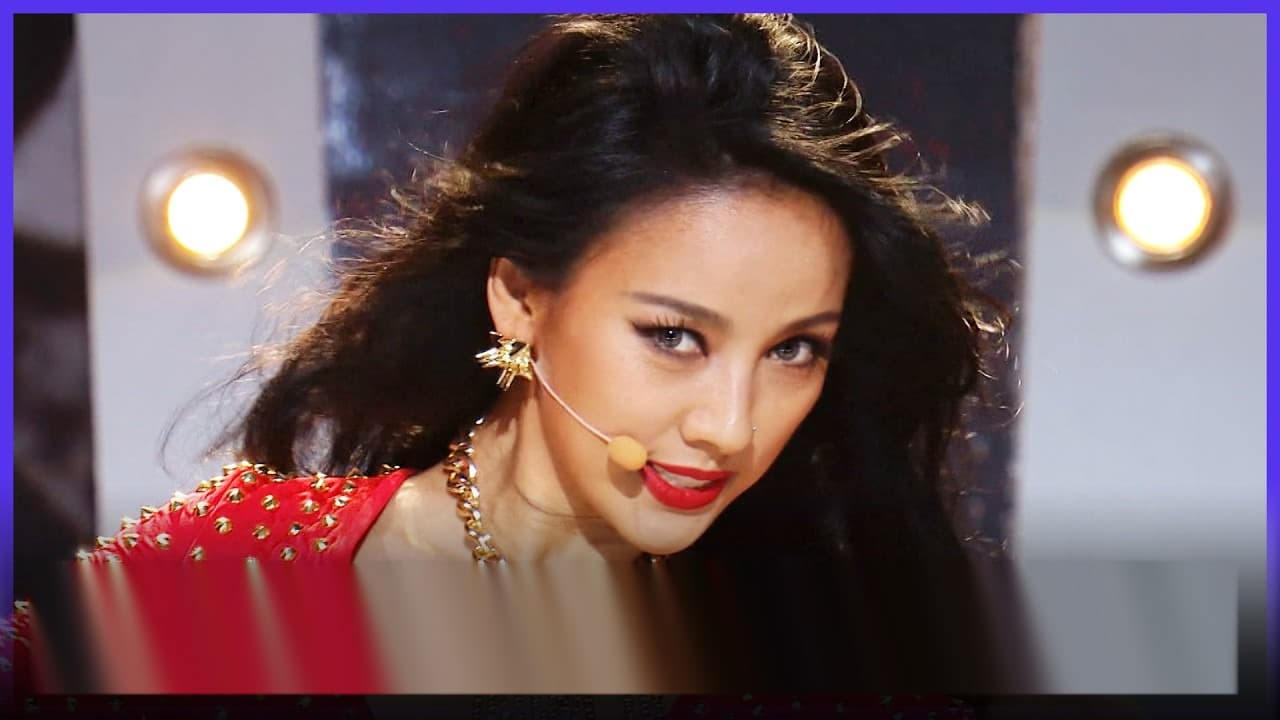
According to MBC Entertainment's official YouTube channel, a new special playlist revisits Lee Hyori's solo stages from the broadcaster's archive, gathering performances of U-Go-Girl, Chitty Chitty Bang Bang, Hey Mr. Big, 10 Minutes, Toc Toc Toc and Bad Girls. The video, uploaded on July 19, 2026, is built from MBC's May 25, 2013 broadcast material, but the collection does not play like a sealed time capsule.
Instead, it shows why Lee remains one of Korean pop's most durable solo performance references. The playlist moves through songs that helped define different sides of her public image: playful confidence, confrontational glamour, tongue-in-cheek attitude and the precise kind of stage command that later generations of idols still study. For longtime fans, the video is nostalgia. For newer viewers, it is a quick lesson in why Lee Hyori's name still carries weight.
The timing is also useful. K-pop's current market is dominated by fast comeback cycles, short-form choreography and global platform metrics, but archival clips can reveal what survives when the release-week machinery disappears. In Lee's case, what remains is not only a set of hit songs. It is a performance identity that made the audience feel she was setting the room's temperature before singing a note.
An Archive That Explains a Persona
The MBC playlist opens with U-Go-Girl, one of Lee Hyori's most accessible solo signatures. The track's bright hook and retro-pop lift made it easy to love, but the stage value came from the way Lee delivered lightness without seeming lightweight. She could sell a playful concept while keeping total control of the performance frame, a balance that many pop acts chase but few make look effortless.
From there, Chitty Chitty Bang Bang changes the tone. The song's title may sound cartoonish, but Lee's performance language leans sharper and more commanding. It shows how she could move from friendly pop icon to larger-than-life stage figure without losing the audience. That ability to shift registers is a major reason her solo catalog continues to circulate online: each era feels distinct, yet recognizably hers.
Hey Mr. Big and 10 Minutes add two more angles. 10 Minutes, in particular, remains central to Lee's solo mythology because it crystallized an image of adult confidence that Korean pop had not often given women on that scale. The stage was not simply about choreography or styling. It projected a sense of timing, gaze and presence that turned a three-minute song into a declaration of star power.
The later stretch, including Toc Toc Toc and Bad Girls, reminds viewers that Lee's appeal was never limited to one mood. Bad Girls carries a rebellious theatricality that feels especially relevant in hindsight. It gives her room to be funny, stylish and pointed at once, turning attitude into performance architecture rather than a surface pose.
Why Lee Hyori Still Reads as Modern
One reason the MBC compilation works in 2026 is that Lee Hyori's performance style does not depend on the visual excess now common in K-pop production. Modern stages often use dense LED environments, rapid camera changes and heavily layered styling to create momentum. Lee's strongest stages can absorb those tools, but they do not require them. The center of gravity is her own command.
That distinction matters for younger artists. Lee's solo work demonstrates that charisma is not only a matter of technical difficulty. It is the ability to make a concept feel inhabited. On these stages, she does not appear to be borrowing an image for a promotion cycle. She looks as if the songs have been built around the way she already moves through public attention.
The collection also underlines her unusual career bridge. Lee first became known as a member of Fin.K.L, one of Korea's defining first-generation girl groups, then successfully recast herself as a solo star and television personality. That path was not automatic. Many group idols struggle to separate a personal brand from the group identity that introduced them. Lee did it by making her solo stages feel like events.
In the years since, her influence has stretched beyond music charts. She has become a reference point for variety television, fashion, lifestyle programming and conversations about women in Korean entertainment aging without surrendering authority. The MBC video focuses on stage clips, but the broader context is visible in every performance: Lee Hyori's celebrity has always been tied to control over her image.
Fan Memory Meets Platform Discovery
Archival uploads have become a quiet but important part of K-pop fandom. Official broadcasters now use YouTube not only to promote current episodes, but to repackage older moments for audiences who may have missed them, forgotten them or discovered the artist through later projects. In Lee Hyori's case, that strategy is especially effective because her classic stages still generate instant recognition.
For Korean viewers who watched the original broadcast era, the playlist can trigger the specific memory of television as a shared pop-culture center. Before algorithmic feeds fragmented attention, a major stage on a terrestrial broadcaster could quickly become a reference point. Fans talked about styling, facial expressions, camera shots and rankings the next day. MBC's upload revives that communal context in a platform-native form.
For international fans, the playlist functions differently. It is a compact introduction to a performer whose reputation often arrives secondhand through idols naming her, clips circulating on social media or variety appearances introducing her personality before her discography. Seeing multiple songs in sequence helps explain why those references persist. The range is the point.
The video also benefits from the current appetite for K-pop history. As the industry grows more global, fans increasingly want to understand the artists who shaped its vocabulary before the present generation. Lee Hyori sits high in that genealogy. She is not only a former hitmaker; she is a template for the solo female star as someone witty, stylish, provocative and commercially powerful.
What the Playlist Adds Now
The strongest value of the MBC special playlist is its sequencing. By placing six stages together, it avoids reducing Lee Hyori to one famous chorus or one iconic outfit. It lets viewers see how consistency and change worked together across her solo identity. The songs differ, but the performer at the center remains unmistakable.
That is why the upload feels timely rather than merely commemorative. Current K-pop conversations often focus on debut speed, streaming numbers and viral snippets, but Lee's archive highlights another kind of longevity: the ability to make old footage feel watchable without excessive explanation. A performance that still communicates after more than a decade has passed a difficult test.
For fans, the video is an easy replay. For younger performers, it is almost a study reel. For casual viewers, it is a reminder that K-pop's present confidence was built by artists who learned how to dominate much smaller stages with far fewer digital advantages. Lee Hyori's MBC compilation makes that history visible in under twenty minutes.
The title of the upload frames her as a performer who does everything with style, and the footage supports the claim. Lee's stages still land because they are specific: the smile before a hook, the controlled pause, the joke inside the attitude, the refusal to shrink from the camera. That is not just nostalgia. It is craft that continues to read clearly.
How do you feel about this article?
저작권자 © KEnterHub 무단전재 및 재배포 금지
New Music & Comebacks Reporter · KEnterHub
New-music reporter covering K-pop comebacks as they drop. Ricky Joo tracks official channel premieres, music video releases and debut showcases, breaking down what each comeback signals about an artist's next chapter — often within hours of release.
Comments
Please log in to comment