Lee Jun-hyuk Shares Why The King Made Him Proud
The actor used a Radio Star clip to spotlight director Jang Joon, old creative trust and the joy behind a successful role.
 By Seung Jung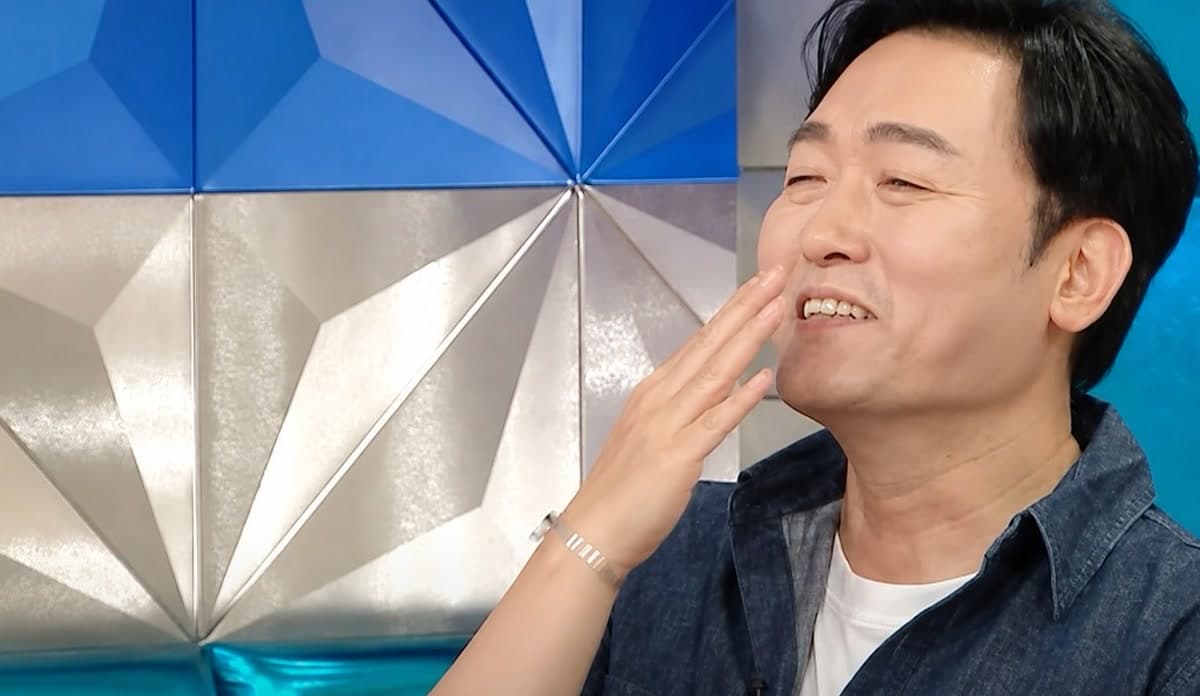
Lee Jun-hyuk turned a short "Radio Star" clip into a revealing career note by explaining why the success of "The Man Who Lives With the King" made him happy for reasons beyond his own screen time. In the MBC Entertainment YouTube segment from the August 26 broadcast, the actor reflected on working with director Jang Joon, recalled their long creative history, and described the pleasure of watching someone he trusted finally receive wider public recognition.
The clip is built like variety television, with interruptions, laughter and quick punch lines, but the substance underneath is serious. Lee speaks less like an actor simply promoting a hit project and more like a colleague celebrating a collaborator. He says the joy of the project was tied to the director being recognized, explaining that he already knew Jang's ability from earlier work and felt glad that the public could now see it too. The comment gives fans a clearer look at Lee's loyalty to the people behind his roles, not only the characters that reach the screen.
A behind-the-scenes story rooted in old trust
According to the MBC clip, Lee and Jang first became close through theater and smaller projects, long before a major commercial spotlight arrived. Lee remembered difficult early days, informal conversations and the kind of shared creative grind that often shapes an actor-director relationship before the industry catches up. He also mentioned having worked with Jang on several films, including a short film and other projects, which helps explain why the recent success felt personal.
That history changes the way viewers can read Lee's remarks. Actors often thank directors during promotional appearances, but Lee's tone is more specific than a standard courtesy. He frames Jang's recognition as something he had been waiting for, almost as if the success validated years of belief. In a media cycle that usually reduces a hit to numbers, box office labels and casting headlines, this kind of anecdote adds texture. It reminds viewers that careers are built through repeated relationships, not only through one visible breakthrough.
The program also introduced Lee with the idea that he had become an actor associated with major commercial results. Rather than focus only on that label, the conversation moved into how he handled the project, what made the character enjoyable, and how improvisational details came together on set. Lee described receiving a call from the director about a larger role and realizing the character had unusual comic possibilities. The clip then moved into stories about working with senior actor Yoo Hae-jin and building small bits of business in the moment.
Why Lee's variety appearance matters for his image
For viewers who mainly know Lee through intense roles, the "Radio Star" appearance offers a useful counterpoint. The actor has often been associated with sharp, serious or genre-heavy performances, and even his joking about romantic-comedy casting in the clip depends on that image. He plays with the idea that people expect him to be offered darker characters, then laughs at the surprise of hearing about a leading romantic role. That self-awareness is part of why the segment works.
Variety clips can be deceptively powerful for actors. A drama or film shows craft through character, while a talk-show segment gives audiences a controlled glimpse of personality. Lee's appearance presents him as funny, modest and generous toward collaborators. It also gives international fans, who may encounter the clip through subtitles or short social edits, an accessible entry point into the actor's current momentum. Even when the transcript is full of jokes, the core message is easy to translate: Lee is proud of the work, but he is equally proud of the people who helped make it happen.
The clip also shows how MBC's entertainment format turns production stories into fan-friendly material. Instead of offering a dry making-of interview, the hosts push Lee to turn memories into scenes: the director struggling to hide excitement, colleagues shaping details on set, and the actor realizing a role could be funnier than it first appeared. Those moments help promote the project without reducing the conversation to advertising. They give audiences a reason to revisit the work through the lens of creative chemistry.
The segment also benefits from being short enough to circulate without losing its emotional center. Viewers do not need the entire broadcast to understand the point: Lee values the director's recognition, remembers the long road before that recognition, and can turn production memories into accessible television. That mix is exactly what official entertainment clips are designed to capture after a broadcast, and it gives the actor a fresh promotional moment without depending on sensational framing.
A reminder that actor momentum is also relational
Lee's comments arrive during a period when Korean actors are increasingly followed across film, drama, streaming and variety content. A performer can build momentum through one successful role, but sustained audience interest often comes from the stories around the work: who they choose to collaborate with, how they talk about craft, and whether they seem connected to a larger creative community. This clip strengthens Lee's profile in that area.
The most memorable part is not a single joke, but the way he redirects praise. He could have used the segment to emphasize his own title as a commercially reliable actor. Instead, he repeatedly points toward the director, the production process and the collaborators who made the character work. That choice gives the appearance a warmer aftertaste. Fans looking for personality get humor; viewers interested in craft get context; and the project gets a promotional moment that feels tied to genuine memory.
For MBC Entertainment, the clip is also a strong example of why official YouTube excerpts remain valuable after broadcast. A few minutes can isolate the most searchable part of a talk-show appearance: the project name, the actor's behind-the-scenes story, and the emotional headline. The embedded video gives fans a direct way to watch the exchange, while the surrounding article can place the comments in a wider career frame.
Lee Jun-hyuk's "Radio Star" segment ultimately works because it reveals a simple but durable truth about his current appeal. He can handle the punch line, but he also knows how to make a colleague's success feel like the real story. In an industry that often treats actors as isolated brands, that generosity makes the clip feel more human and gives fans another reason to pay attention to his next role.
How do you feel about this article?
저작권자 © KEnterHub 무단전재 및 재배포 금지
Senior Entertainment Correspondent · KEnterHub
Senior entertainment correspondent with a wide-angle view of Korean show business. Seung Jung covers celebrity news, variety television and award season, and writes the interviews and features that connect individual stories to the larger currents of Korean entertainment.
Comments
Please log in to comment