Lee Moon-jung Raises The Stakes On JTBC
The new Chinese-cuisine veteran brings a senior-junior rivalry to Please Take Care of My Refrigerator.
 By Jang Hojin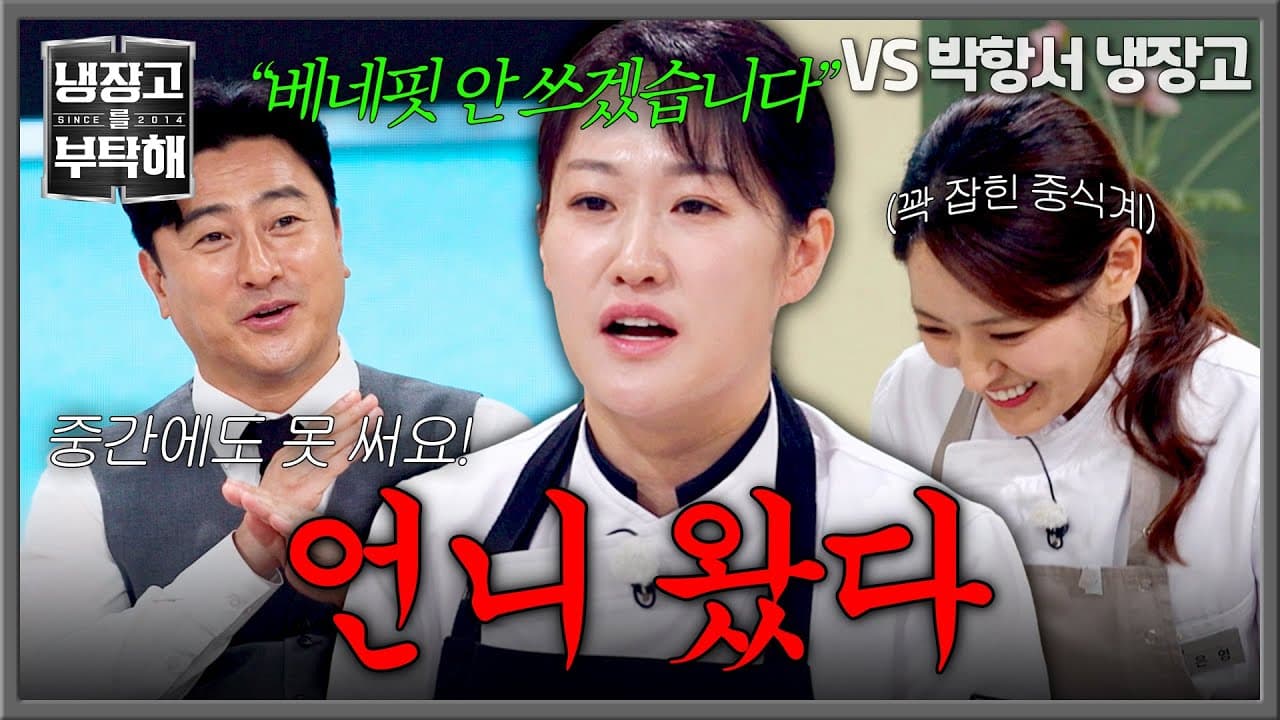
JTBC Entertainment's latest Please Take Care of My Refrigerator highlight turns a cooking segment into a hierarchy drama. Featured on JTBC Entertainment's official YouTube channel, the clip introduces chef Lee Moon-jung as a veteran whose career is described as ten years longer than Park Eun-young's. The description frames her arrival with immediate impact: the Chinese-cuisine world is suddenly brought into order, and the junior-senior tension becomes the engine of the scene.
The highlight comes from the June 7 episode of JTBC's revived cooking-variety format, which centered on former Vietnam national football team coach Park Hang-seo's refrigerator. Korean preview coverage described the broadcast as a World Cup-themed episode, with chefs using Park's ingredients for fast, high-pressure cooking battles. Within that structure, Lee Moon-jung's appearance gives the second contest a clear story. It is not just chef versus chef. It is experience versus momentum, seniority versus confidence, and professional pride converted into television rhythm.
That is why the clip works even before viewers know the final dish. Korean cooking variety depends on more than recipes. It needs character contrast, visible pressure and a reason for the audience to care who wins. JTBC's title and description push Lee Moon-jung into the role of a formidable new presence, while Park Eun-young becomes the established familiar figure whose confidence must now respond to someone with deeper seniority in Chinese cuisine.
A Senior Entrance With Instant Variety Value
Lee Moon-jung's value to the episode begins with status. The phrase about a ten-year career gap gives viewers a quick relationship map. In Korean variety, that matters. Seniority can be comic, intimidating, respectful or competitive depending on how the participants play it. A cooking show can use the dynamic without turning it negative because the battlefield is skill. The question becomes whether Park Eun-young can defend her reputation when a senior specialist enters the same arena.
The clip's description says the Chinese-cuisine scene is immediately disciplined by Lee's arrival. That wording is theatrical, but it signals a real variety function. A new expert can reset the room. Other cast members react differently when someone arrives with a reputation, and the editing can build suspense around small gestures: the way ingredients are chosen, knives are handled, sauces are adjusted and comments are exchanged. Cooking becomes a performance of authority.
For Please Take Care of My Refrigerator, this kind of energy is essential. The program's basic format is familiar: open a guest's refrigerator, identify ingredients, assign chefs and watch a timed battle unfold. Because the structure is simple, each episode needs a fresh rivalry or emotional hook. Park Hang-seo's presence supplies the guest narrative, especially because of his deep connection with Vietnam and his public image as a beloved coach. Lee Moon-jung and Park Eun-young supply the competitive narrative inside the kitchen.
The result is a layered entertainment setup. Viewers can watch Park Hang-seo react as a guest, follow the chefs' technical decisions and enjoy the personal tension between two Chinese-cuisine professionals. That layering is what keeps a cooking-variety clip from becoming just a recipe demonstration.
Why The Park Eun-young Matchup Matters
Park Eun-young is not a random opponent in this story. She has a recognizable screen persona as a confident Chinese-cuisine chef who can turn technique into entertainment. Pairing her with Lee Moon-jung gives the program a convenient contrast: Park's television familiarity and competitive spark meet Lee's senior aura. The official YouTube highlight leans into that contrast rather than hiding it, which suggests that the episode wants viewers to read the battle through personality as much as through taste.
Korean reports ahead of the broadcast described a fierce Chinese-cuisine showdown between the two chefs, with the episode also featuring other cooking battles built around Vietnamese flavors and Park Hang-seo's refrigerator. That context makes the Lee-Park matchup feel like the program's second wave. After the guest's story and the first contest establish warmth, the senior-junior duel can raise the temperature. The highlight title focuses on Lee's arrival because a strong entrance is the easiest way to sell that shift.
The format also benefits from the compressed time limit. A chef with more experience might be expected to show calm mastery, while a younger rival might rely on speed, creativity or theatrical confidence. Whether those expectations hold is the entertainment. If Lee is too composed, Park must create sparks. If Park pushes aggressively, Lee's restraint becomes even more imposing. The show can generate tension either way.
For international K-variety viewers, the dynamic is also accessible. They do not need deep knowledge of Korean culinary hierarchy to understand the stakes. A senior expert arrives, a popular chef responds and a celebrity guest waits to taste the result. That clarity helps official YouTube clips travel beyond domestic viewers, especially when titles are localized in English and the thumbnail highlights strong facial expressions or kitchen action.
Cooking Variety As Character Television
The clip is a reminder that Korean cooking shows often function as character television. The food matters, but the dish is also a device for revealing confidence, panic, respect and rivalry. A knife technique can become a punch line. A sauce decision can become a strategic gamble. A guest's reaction can turn a technical contest into a memorable scene. JTBC's highlight positions Lee Moon-jung's entrance as the moment that reorganizes those emotional currents.
Park Hang-seo's presence broadens the appeal. As a football figure loved in both Korea and Vietnam, he brings a cross-cultural reference point to an entertainment program. Korean coverage said the episode used his refrigerator as the basis for dishes and highlighted Vietnamese-inspired competition elsewhere in the broadcast. That gives the Chinese-cuisine duel a larger setting: the chefs are not cooking in a vacuum, but inside an episode built around travel, memory, sports fandom and the guest's public identity.
The official clip's replay link to JTBC's program page also shows how broadcasters now use YouTube as a gateway rather than a full replacement for television. The highlight sells a specific moment, while the platform link invites viewers to watch the complete episode. This is the current life of K-variety: a broadcast episode becomes a set of targeted digital hooks, each emphasizing one guest, rivalry or reaction.
Lee Moon-jung's segment is well suited to that strategy because it has a clean headline. A veteran arrives. The junior chef feels the pressure. The kitchen's atmosphere changes. That premise can be understood in seconds, which is exactly what a YouTube highlight needs.
What The Highlight Signals For The Show
The bigger question is whether Please Take Care of My Refrigerator can keep refreshing its familiar format. This highlight suggests one answer: cast chefs with relationships that are instantly legible. A refrigerator-opening concept can become repetitive if every contest is presented only as a technical challenge. It becomes more durable when each episode finds a social texture, whether that is seniority, mentorship, rivalry, nostalgia or guest-specific emotion.
Lee Moon-jung's arrival gives JTBC exactly that texture. It allows Park Eun-young to be seen not only as a chef but as a competitor responding to a respected senior. It gives Park Hang-seo a lively kitchen drama to watch. It gives viewers a reason to choose sides before the tasting begins. And it gives the official YouTube channel a highlight that works as a standalone scene while still pointing back to the full broadcast.
For a cooking-variety program, that is the real recipe. The dishes may decide the scoreboard, but the characters decide whether the clip keeps circulating after the episode ends.
How do you feel about this article?
저작권자 © KEnterHub 무단전재 및 재배포 금지
Entertainment Journalist · KEnterHub
Entertainment journalist specializing in K-Pop, K-Drama, and Korean celebrity news. Covers artist comebacks, drama premieres, award shows, and fan culture with in-depth reporting and analysis.
Comments
Please log in to comment