Lee Seo-jin's Netflix Trip May Be Just the Start
 By Jang Hojin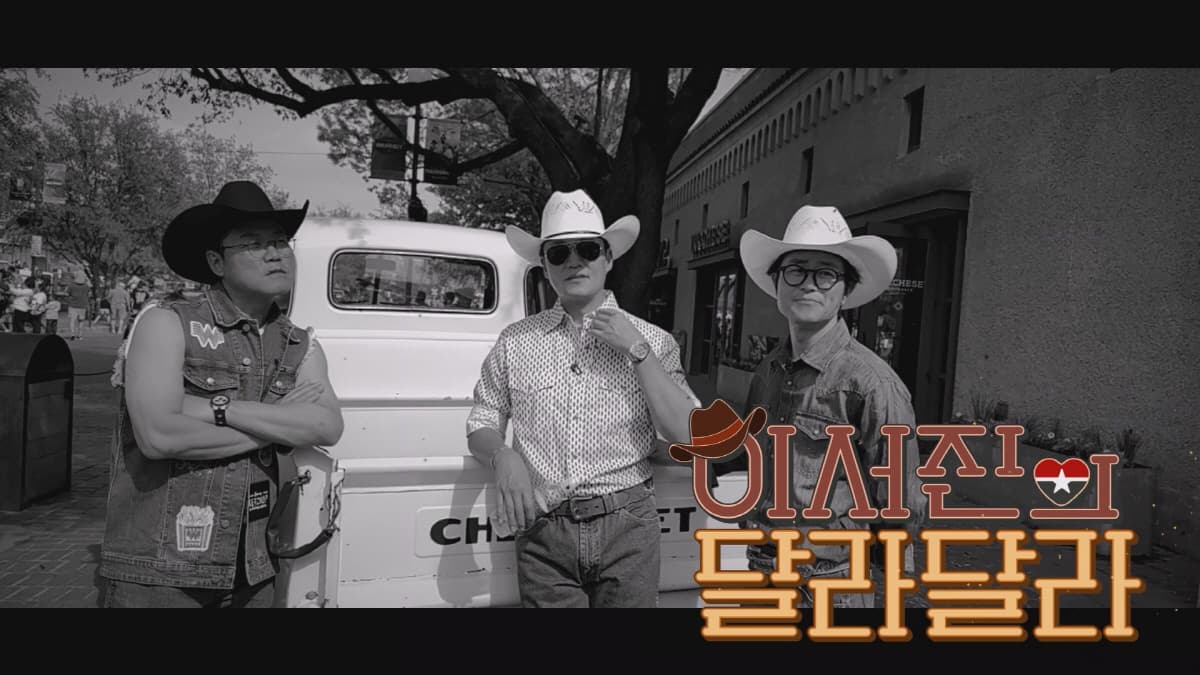
Lee Seo-jin's new Netflix variety show is trending in South Korea for a reason. Dalla Dalla, which premiered on March 24, turns a familiar travel format into something more personal by letting the actor's own habits, favorite stops, and dry humor shape the entire trip. Instead of following a polished guidebook route, the series follows Lee and producer Na Young-seok through Texas in a way that feels more like watching longtime friends test each other's patience than watching a conventional itinerary unfold.
That setup has already become the strongest hook around the show. At the Seoul press event held the morning of its release, Lee described the project as something he genuinely wants to continue if viewers respond well. He said there are many more cities he has in mind, and multiple Korean reports from the event framed that comment as one of the clearest signs that Dalla Dalla is not being treated as a one-off experiment. For a trend-driven topic, that sense of expansion matters: the show is not just a new release, but a possible next chapter in one of Korean variety's most reliable creative pairings.
The timing also gave the story a stronger Discover-style angle. Netflix had already included Dalla Dalla in its 2026 Korean content slate earlier this year, teasing the image of Lee and Na heading to Dallas, Texas. Now that the series is finally out, local coverage is filling in the details that the earlier lineup reveal only hinted at: why Texas mattered, how much of the route was built around Lee's taste, and why the production team thinks the chemistry works even when the show seems to resist the usual rules of travel entertainment.
A Texas Trip Built Around Lee Seo-jin's Taste
The clearest difference between Dalla Dalla and a typical celebrity travel show is that the production team does not pretend to be in control. At the press conference, director Kim Ye-seul and Na repeatedly described the program as a trip that follows Lee rather than one that is designed around a producer's fixed destination list. The route includes football stadiums, merchandise shops, roadside motels, local barbecue, and even a Korean gamjatang restaurant near a Samsung factory instead of the kind of tourist-friendly locations most travel shows would automatically choose.
That last detail became one of the day's most shared anecdotes. According to Korean coverage, Lee said he had already tested the restaurant himself and was confident enough in it to bring the team there. Na, meanwhile, laughed about how some of Lee's choices felt almost impossible to explain through ordinary travel logic. He said many of the stops were the kind of places people would not easily find through guidebooks or search rankings, which gives the program an unusual point of view: the trip is not sold as the best way to tour Texas, but as the most Lee Seo-jin way to experience it.
Lee also explained why Texas means more to him than just another filming location. He described the state as a place he has visited enough to think of as a second home, praising its weather, scale, sports culture, and sense of ease. In one of the more revealing comments from the event, he even said the state feels like somewhere he could imagine living after retirement. That line adds a layer of sincerity to the show's concept. The audience is not simply watching a celebrity endorse a random overseas backdrop; they are watching someone introduce a place he has already folded into his personal fantasy of later life.
That emotional logic helps the series stand out. Travel variety often depends on surprise missions, guest appearances, or scenic spectacle. Dalla Dalla appears to lean instead on preference, repetition, and personality. The very things that might sound minor on paper, like stopping for goods at a football stadium or dressing for each destination with unnecessary but enthusiastic precision, become character beats once they are filtered through Lee's deadpan delivery and Na's reactions.
Why the Na Young-seok Chemistry Still Works
Of course, the Texas setting alone would not be enough to push the show into Google Trends territory. The larger draw is the long-running relationship between Lee and Na, who have built a recognizable screen rhythm over more than a decade of collaborations. Their history stretches from early variety appearances to later franchise-like hits, and several Korean outlets at the event pointed out that this familiarity is exactly what allows Dalla Dalla to feel loose without falling apart.
Na described Lee's biggest strength as an unforced naturalness. He argued that viewers respond to Lee because he does not perform enthusiasm in the way many variety stars do. Instead, his appeal comes from watching him complain, hesitate, negotiate, and then ultimately take care of the people around him anyway. That image showed up again and again in press coverage from March 24. Na called him the kind of guide who grumbles first but still drives everyone where they want to go. Kim made a similar point, saying the contrast between Lee's words and actions gives the program much of its warmth.
That is also why one of Kim's most striking descriptions from the event landed so well online. She said the dynamic between the two men felt almost like a romantic comedy in the edit, not in any literal sense, but because the humor depends on accumulated familiarity, tiny irritations, and the comfort of knowing exactly how far the other person can be pushed. It is an easy phrase to remember, and it immediately gives international readers a cleaner way to understand the tone of the show than a list of format details would.
Even Na's own self-criticism became part of the story. Some reports highlighted his joking concern that he appeared too much in the final cut. Rather than weaken the launch, that comment reinforces what the show is selling: not an individual star vehicle, but a buddy trip where the friction is as important as the destination. If anything, the fact that Na felt slightly embarrassed by his own screen time suggests the team is still calibrating the balance, which could become part of the show's appeal if later episodes or future seasons keep refining it.
What the Netflix Release Could Mean Next
The Netflix angle matters because it changes the scale of what used to be a more niche variety proposition. Earlier versions of this travel concept were associated with smaller-platform releases, especially the New York New York line that viewers already connect to Lee. By moving to Netflix, Dalla Dalla is no longer just another familiar project for existing fans. It becomes a test case for how far a personality-driven Korean travel show can travel once it is packaged for global discovery.
Lee himself appeared aware of that shift. He joked that when a project is for YouTube, he might think about taking it easy, but a Netflix collaboration makes him feel he should work harder. Beneath the joke is a real strategic difference. Global platforms reward clear character hooks, portable humor, and places that can be sold through atmosphere as much as narrative. Dalla Dalla seems built around all three. Texas offers visual and cultural distance from Seoul, Lee provides a recognizable central persona, and Na's production approach turns low-stakes moments into relationship comedy.
Just as important, the expansion does not seem to have flattened the show's original texture. Na said the team tried not to damage the casual freedom that viewers liked in the earlier versions of this concept. If Netflix had pushed the format toward a bigger, glossier travel series, it might have lost the very eccentricity that makes it feel different. Instead, the early reporting suggests the team kept the rough edges, from aimless detours to highly personal food choices, and trusted the chemistry to carry the experience.
For now, that may be enough to explain why the show broke into Korea's trending conversation on release day. It combines a recognizable partnership, a specific and image-rich location, a major platform, and a built-in promise of future expansion. Lee's own comments about wanting to continue the concept give the story a forward-looking ending rather than a closed promotional cycle. If the first response is strong, Dalla Dalla could move from being a release-day curiosity to becoming Netflix's next repeatable Korean variety franchise built on personality rather than competition or spectacle.
That possibility is what makes this launch feel bigger than a standard premiere notice. The current buzz is not only about whether Lee Seo-jin can make Texas entertaining. It is about whether his particular mix of cynicism, care, and oddly specific taste can scale into a broader series of destinations. On March 24, the answer still sits with viewers. But judging from the tone of the press event and the way the story spread through trend feeds, Netflix and the production team already have enough reason to imagine a much longer trip.
How do you feel about this article?
저작권자 © KEnterHub 무단전재 및 재배포 금지
Entertainment Journalist · KEnterHub
Entertainment journalist specializing in K-Pop, K-Drama, and Korean celebrity news. Covers artist comebacks, drama premieres, award shows, and fan culture with in-depth reporting and analysis.
Comments
Please log in to comment