M Countdown MCs Mark 100 Days With Candor
 By Jang Hojin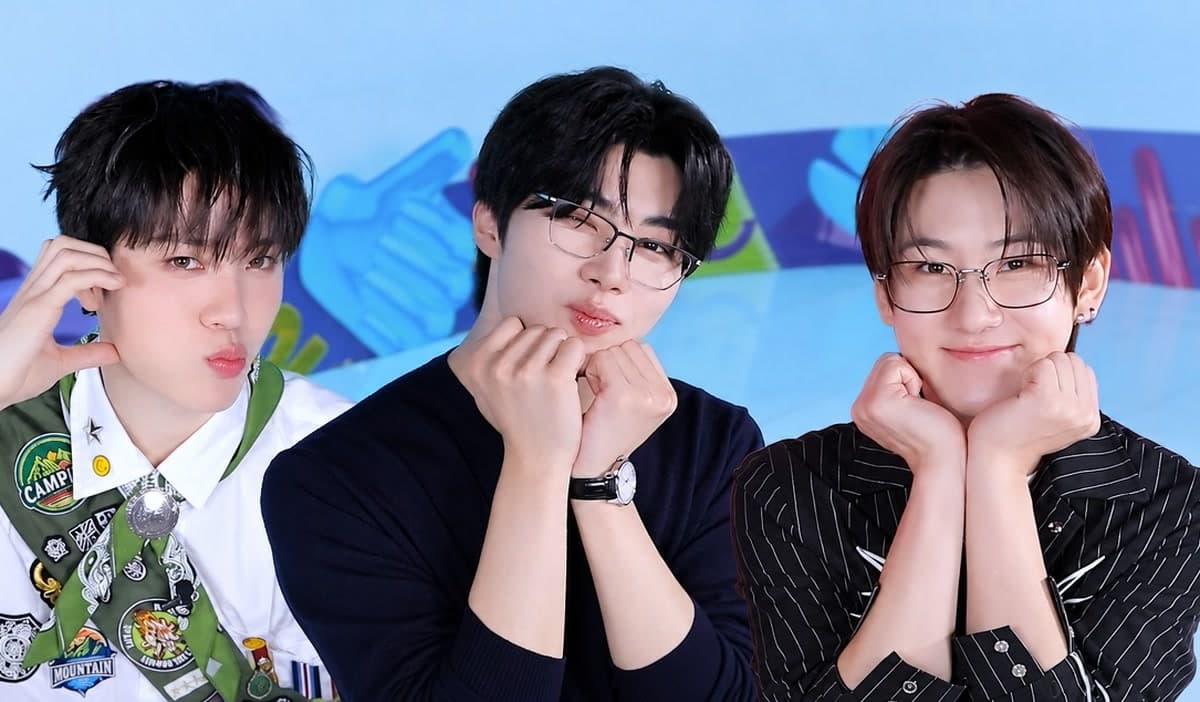
Mnet K-POP's 100-day interview for the current M Countdown MC lineup works because it treats the milestone as more than a ceremonial checkpoint. The video brings together ZEROBASEONE's Park Gunwook, TREASURE's So Junghwan, and KickFlip's Lee Kyehoon for a long, playful conversation about how the weekly music-show role has changed their confidence, friendships, and understanding of live broadcast culture.
Featured on Mnet K-POP's official YouTube channel, the interview uses a deliberately light format, including assigned speech styles, jokes, and teasing prompts. Beneath that variety packaging, however, the discussion reveals a clear theme: the three idols have moved from nervous newcomers into a team that understands the rhythm of Thursday music television. Their answers show how an MC position can become a training ground for public speaking, timing, improvisation, and cross-group chemistry.
The trio, often framed through the nickname "Oh-i-so-ba-gi," marks its 100th day not by listing achievements but by reflecting on small changes. They talk about first-broadcast nerves, the pressure of following respected predecessors, the surprise of becoming close, and the ways a fixed weekly schedule has changed how they experience time as active idols. That makes the interview valuable not only as fan content, but as a behind-the-scenes look at how music-show hosting shapes young performers.
From Nervous First Broadcasts to a Working Team
The strongest part of the interview is the members' honesty about their early uncertainty. Park Gunwook explains that he had wanted to try music-show hosting and felt the role was meaningful, particularly because M Countdown is often one of the first weekly stages artists encounter during comeback promotions. He also acknowledges the pressure of stepping into a seat associated with strong previous MCs, noting that encouragement from a predecessor helped him feel more comfortable.
So Junghwan reflects on the opportunity with a similar sense of gratitude. He had already experienced special MC work, but the regular position gave him a chance to continue developing rather than treating hosting as a one-off assignment. His remarks suggest that the role has become a place to practice steadiness. For an idol whose main identity is tied to performance, that kind of weekly speaking responsibility can broaden the skill set that viewers associate with him.
Lee Kyehoon describes the first appearance in more emotional terms, remembering the grandeur of the entrance and the feeling that he was becoming part of the broadcast itself. At the same time, he admits that the first live show brought considerable nerves. That balance between excitement and pressure is central to the interview. The MC role looks effortless in edited clips, but the performers are learning timing, camera awareness, script flow, and recovery from small mistakes in real time.
The interview also shows that the three did not become a team instantly. They talk about observing one another, discovering unexpected personality traits, and slowly learning how to play together on camera. Park Gunwook says he invested energy in understanding the other two because their chemistry was new. That detail matters: music-show MCs are often assembled from different groups, so the job requires quick interpersonal adaptation as much as individual charm.
Why Music-Show MC Roles Matter in K-Pop
For young idols, a music-show MC position can be one of the most valuable recurring jobs in the industry. It places them in front of multiple fandoms every week, gives them direct contact with senior and junior artists, and teaches the mechanics of live or semi-live entertainment. Unlike a comeback interview or a short variety guest spot, the role repeats. That repetition is what turns it into development.
The Mnet interview makes that development visible. One member notes that hosting helped him understand how broadcasts actually move, including how many staff members support the weekly show. Another says that having a fixed Thursday schedule restored a stronger sense of the week, a revealing comment in an idol environment where weekends and weekdays often blur together. These details are modest, but they show how a hosting job changes the texture of an idol's working life.
The three MCs also describe becoming more flexible in speech and more comfortable with spontaneous reactions. That is not a small change. Idol communication is often tightly managed through scripted interviews, comeback showcases, and fan-platform messages. Music-show hosting requires a different mode: concise, bright, responsive, and ready to transition between artists. A host must support the guest without taking over the segment, then shift quickly into the next cue.
That is why fans often treat MC eras as important chapters in an idol's career. They offer weekly evidence of growth. A performer who was hesitant in the first month may become smoother by the third. Small improvements in eye contact, pacing, and ad-libs become part of the viewing experience. Mnet's 100-day video captures that process at a useful midpoint, after the initial nerves have faded but while the role still feels fresh.
Chemistry Across ZEROBASEONE, TREASURE, and KickFlip
The interview's group dynamic is notable because it crosses agency and team lines. Park Gunwook brings ZEROBASEONE's survival-show polish and active fanbase, So Junghwan brings TREASURE's YG performance background, and Lee Kyehoon brings KickFlip's newer-generation energy. On paper, that could produce a stiff arrangement. In the video, the opposite happens: their different backgrounds become material for jokes and mutual compliments.
They describe one another in affectionate, sometimes teasing terms. First impressions shift from intimidating or senior-like to warm, funny, and surprisingly approachable. Those comments matter because music-show MCs are expected to sell friendship quickly. Viewers do not need the relationship to be identical to group-member bonds, but they do need to believe the hosts enjoy standing next to each other. The 100-day interview gives fans exactly that evidence.
Each member also identifies a different strength. Park Gunwook is framed as someone who can lead and keep the conversation alive. So Junghwan is repeatedly associated with visual presence, steadiness, and sincerity. Lee Kyehoon is presented as playful and willing to throw himself into the format. The roles are simple, but they help the trio read as a balanced unit rather than three separate idols sharing a script.
The video also understands fan culture. It gives each fandom something to quote, clip, and circulate: gratitude messages, self-deprecating jokes, affectionate comments among the MCs, and future wishes for special stages or different interview formats. That structure is deliberate. A 100-day anniversary interview is not only a thank-you video; it is a piece of fan-service content designed to extend loyalty around the MC lineup.
Future Stages and the Value of Continuity
One of the recurring wishes in the interview is for the trio to try more special content together, including stage concepts and less formal interview settings. That is a natural next step. Once a music-show MC lineup has established baseline chemistry, producers can use the group in more flexible ways: special performances, behind-the-scenes clips, street-style interviews, or seasonal segments that give the hosts more personality beyond the main broadcast script.
For M Countdown, continuity is part of the show's brand. Weekly music programs rely on charts and comeback stages, but MCs provide a familiar emotional frame. They are the viewers' guides through the rotating lineup of artists. When the hosts become recognizable as a team, the show gains a layer of repeat-viewing appeal that exists even outside a viewer's favorite comeback week.
The 100-day interview suggests that Park Gunwook, So Junghwan, and Lee Kyehoon are reaching that point. They are still young enough in the role for their growth to be visible, but familiar enough with one another to joke, praise, and improvise without the interaction feeling forced. That is exactly the balance a music-show MC team needs.
For fans, the milestone offers reassurance that the trio is not simply occupying a temporary promotional slot. They are building a shared identity within the M Countdown format. For the artists themselves, the role is giving them practical broadcast experience that can carry into future variety work, hosting, fan meetings, and group promotions. The video may be playful on the surface, but its underlying message is straightforward: after 100 days, this MC team has become part of the show's weekly rhythm.
How do you feel about this article?
저작권자 © KEnterHub 무단전재 및 재배포 금지
Entertainment Journalist · KEnterHub
Entertainment journalist specializing in K-Pop, K-Drama, and Korean celebrity news. Covers artist comebacks, drama premieres, award shows, and fan culture with in-depth reporting and analysis.
Comments
Please log in to comment