MBC Reopens I Am A Singer’s 522 Vocal Battle
 By Jang Hojin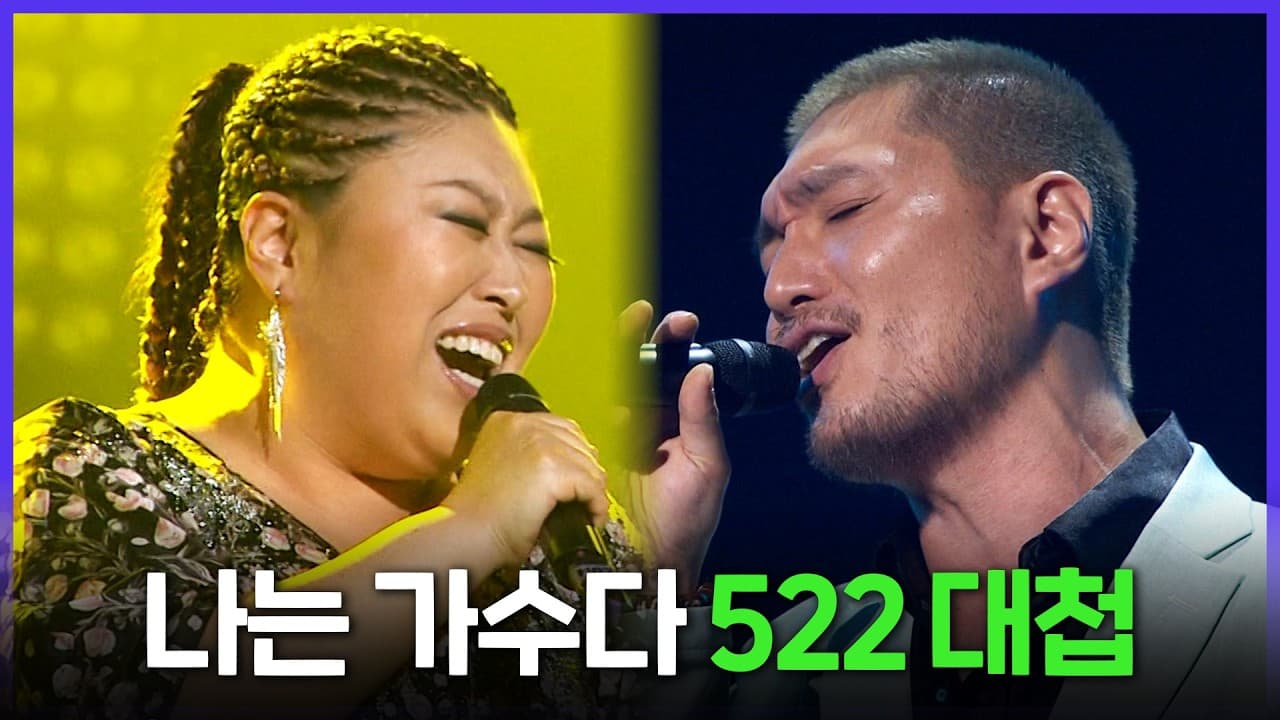
MBC Entertainment has reopened one of Korean television’s most discussed vocal time capsules with a new official YouTube compilation from I Am a Singer, spotlighting the May 22, 2011 broadcast remembered by fans as the “522 battle.” According to MBC Entertainment’s official YouTube channel, the video gathers four performances from that episode: Kim Yeon Woo’s version of Na Wa Gatdamyeon, Kim Bum Soo’s Neup, BMK’s Areumdaun Gangsan and Yim Jae Beom’s Yeoreobun.
The upload is not a new competition episode, but its timing gives the archive fresh value. In the streaming era, older broadcast performances often return as short clips, fan edits or scattered reposts. An official MBC compilation places the material back under a reliable source, with clean sequencing and a direct embed that international fans can use without searching through unofficial uploads. For a program built on live vocal stakes, that matters.
I Am a Singer became a cultural reference point because it treated veteran singers like arena athletes. The premise asked established vocalists to reinterpret songs in front of an audience that could immediately reward or punish the performance. It was variety television, but the tension came from musical risk rather than comedy. The 522 episode remains memorable because several contestants delivered performances that fans still discuss as examples of how Korean broadcast music could feel urgent, theatrical and emotionally direct.
Four Performances, Four Vocal Temperatures
Kim Yeon Woo opens the compilation with Na Wa Gatdamyeon, originally associated with Kim Jang Hoon. Kim’s strength has long been precision: a clean line, controlled phrasing and a build that can feel almost deceptively calm until the emotional weight lands. In a competition format, that kind of discipline can be as dramatic as a more explosive approach because the viewer senses how carefully the singer is controlling the room.
Kim Bum Soo follows with Neup, originally by Jo Kwan Woo. The placement reminds viewers why Kim’s reputation as one of Korea’s defining ballad voices was never limited to chart success. His I Am a Singer appearances helped recast him for a broader television audience as a vocalist who could combine technical command with direct emotional attack. A song like Neup benefits from that mixture because it needs atmosphere as much as power.
BMK’s Areumdaun Gangsan changes the physical energy of the set. The song, originally by Lee Sun Hee, is already part of Korea’s popular-music memory, and BMK’s version brings a different grain to that legacy. Her voice is rooted in soul and scale, so the performance can feel less like a cover and more like a full-bodied reoccupation of the song’s landscape. In a compilation, that contrast keeps the video from becoming one long ballad mood.
Yim Jae Beom closes the sequence with Yeoreobun, originally by Yoon Bok Hee. Among Korean music fans, his I Am a Singer run is often remembered with near-mythic language because it arrived with both vocal ferocity and personal gravitas. Yeoreobun is a song that depends on sincerity more than decoration, and Yim’s performance helped make the 522 broadcast one of the episodes that continued to circulate in memory long after the original airing.
Why Official Archive Clips Still Matter
The value of MBC’s compilation is not only nostalgia. Official archive releases shape how a new generation encounters older Korean television. A viewer discovering I Am a Singer through YouTube in 2026 may not have lived through the weekly ranking conversations, but the compilation gives them the essential grammar: a stage, a legendary song, a reinterpretation and a crowd reacting to vocal pressure in real time.
That is especially important because Korean entertainment history can be flattened online. Younger global fans may know K-pop through idol stages and dance challenges, while Korean vocal competition programs occupy a different lane. I Am a Singer sits between those worlds. It is polished television, but it foregrounds interpretive singing. It asks viewers to judge how a familiar song changes when a major vocalist bends it toward a new emotional center.
The 522 compilation also shows how television created shared musical memory before the current algorithmic era. In 2011, viewers gathered around a scheduled broadcast and then carried the performances into forums, articles and conversation. In 2026, MBC can repackage that same moment as a playlist-like video, allowing it to travel through recommendation feeds and embedded articles. The medium changed, but the reason people watch remains similar: they want to see a singer take a familiar song somewhere unexpected.
A Useful Bridge For Global K-Music Fans
For international fans, this kind of official upload can widen the definition of Korean popular music. Kim Yeon Woo, Kim Bum Soo, BMK and Yim Jae Beom do not fit neatly into the idol comeback system that dominates much English-language K-pop coverage. Yet their influence runs through the same industry. Idol vocalists grow up studying singers like them, and Korean variety still builds many of its most emotional moments around songs from this older repertoire.
MBC’s video also offers a compact introduction to four different approaches to performance. One viewer may be drawn to Kim Yeon Woo’s control, another to Kim Bum Soo’s emotional release, another to BMK’s force, and another to Yim Jae Beom’s raw presence. That range is the reason the episode still works as a compilation. It is not just a ranking memory; it is a survey of what Korean broadcast vocals could sound like when competition, arrangement and audience expectation met at the same point.
The official embed gives the 522 battle a new life without needing to pretend it is a current comeback. Its news value is archival, but archival content can be powerful when it clarifies why a performance mattered in the first place. MBC has given fans a clean way to revisit a night that helped define I Am a Singer’s legend, and for newer viewers, the compilation is a direct invitation to understand why those stages are still being talked about fifteen years later.
That renewed accessibility is the point of the 2026 upload: it turns a once-scheduled television moment into a durable reference clip for fans studying Korean vocal performance, variety history and the emotional range that made the original broadcast linger in public memory.
How do you feel about this article?
저작권자 © KEnterHub 무단전재 및 재배포 금지
Entertainment Journalist · KEnterHub
Entertainment journalist specializing in K-Pop, K-Drama, and Korean celebrity news. Covers artist comebacks, drama premieres, award shows, and fan culture with in-depth reporting and analysis.
Comments
Please log in to comment