MBC Revisits I Am a Singer's Legendary Stages
 By Jang Hojin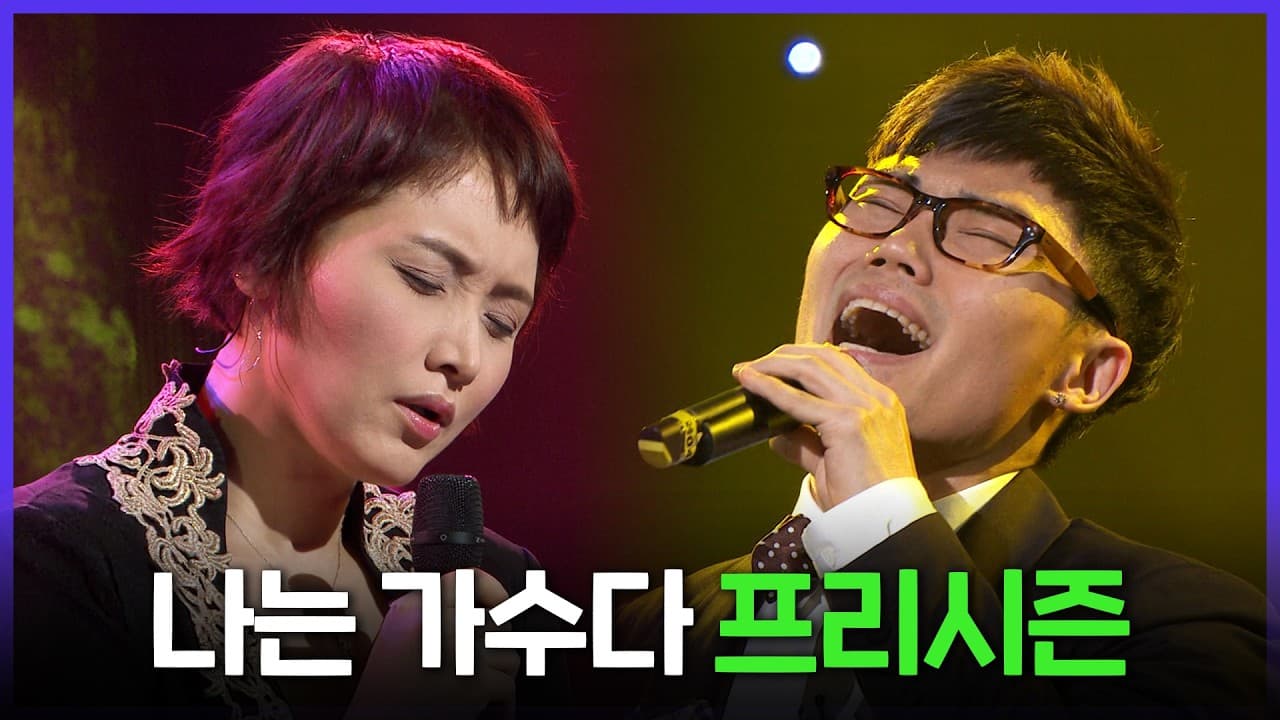
MBC Entertainment has brought one of Korean television's most discussed music-variety legacies back into view with an official YouTube compilation of legendary performances from the pre-season era of I Am a Singer. The video, uploaded through the broadcaster's official channel, revisits the program's early atmosphere through performances and commentary involving Park Jung-hyun, Kim Bum Soo, Kim Gun-mo and Lee So-ra.
Featured on MBC Entertainment, the compilation works as both a performance archive and a reminder of how I Am a Singer changed expectations for televised music competitions. The source transcript frames the pre-season around a simple but powerful idea: accomplished vocalists who were not always exposed to the broader public could be rediscovered through live stages, arrangement choices and direct audience response.
The video is built from broadcast material dated March 6, 2011, but its new official YouTube circulation gives the performances renewed value for viewers who may know the singers through later clips, covers or reputation rather than through the original television moment. In K-entertainment, archival releases like this often function as cultural memory. They allow younger fans to encounter the standards that shaped later audition shows, survival formats and live-vocal debates.
I Am a Singer's pre-season returns through official YouTube
The compilation's most immediate appeal lies in its concentration of veteran vocalists. Park Jung-hyun is introduced in the transcript as an artist highly respected for live performance but not always proportionally visible to the mass public. That framing captures one of the original program's major selling points: the show promised not just famous songs, but the rediscovery of singers whose technical skill and emotional delivery deserved a bigger spotlight.
Kim Bum Soo appears in the transcript as another example of vocal reputation meeting television drama. The commentary around him emphasizes the ability of a performance to move listeners, not merely to display technique. That distinction was central to I Am a Singer. The show turned singing into a competitive format, yet the most memorable moments were often measured by emotional reaction rather than by any single score.
Kim Gun-mo's section points to a different kind of performance identity. The transcript includes reactions to his ease, rhythm and veteran stage command, presenting him as someone whose experience allows him to make difficult choices look natural. In a live competition setting, that kind of looseness can be as impressive as a high note. It suggests control, timing and an understanding of how to carry an audience through a full arrangement.
Lee So-ra's appearance adds weight to the compilation's emotional range. The transcript around her performance stresses the idea that song can move another person's heart. That theme explains why the program's legacy has lasted. I Am a Singer was never only about crowning the strongest voice. It was about asking what kind of performance can stop a room, alter a familiar song and make viewers hear a singer again.
Why the compilation still resonates in 2026
The official YouTube release arrives in an entertainment environment where live-vocal credibility remains a constant topic. K-pop fans debate encore stages, band arrangements, festival microphones and the difference between studio polish and live presence. Against that background, an I Am a Singer archive feels timely rather than merely nostalgic. It shows a television format built around singers carrying entire emotional narratives through live performance.
The compilation also highlights the role of broadcasters as curators of Korean pop history. MBC owns a deep archive of music and variety programming, and official uploads can reintroduce those materials with context and accessibility. For international viewers, YouTube becomes a bridge into older Korean television moments that were once difficult to find legally or with consistent quality. For domestic viewers, the upload offers a familiar piece of cultural memory in a format built for replay.
There is also a clear difference between this kind of archival compilation and a simple highlights reel. The transcript preserves fragments of panel commentary, audience reaction and singer self-reflection, which helps explain why the stages mattered. Viewers are not only hearing songs; they are being guided through the program's argument that great singing can be rediscovered, reevaluated and discussed as a public event.
That argument influenced later Korean music programming. Many subsequent shows adopted the idea that familiar songs could be rearranged for dramatic reinterpretation, that senior and junior artists could be compared through live stages, and that vocal identity could become television storytelling. I Am a Singer helped normalize the language of vocal rediscovery, a concept that still appears across music contests, cover programs and special-stage broadcasts.
A legacy built on vocal storytelling
One reason the compilation works is that the featured artists represent different forms of vocal authority. Park Jung-hyun is associated with precision and emotional lift, Kim Bum Soo with dramatic power and popular recognition, Kim Gun-mo with groove and veteran ease, and Lee So-ra with introspective atmosphere. Placing those identities together shows why the program became more than a weekly contest. It became a meeting point for competing definitions of what it means to sing well.
The transcript repeatedly returns to ideas of rediscovery, emotion and the singer's responsibility to move an audience. Those ideas are still relevant because they cut across generations. Whether a viewer follows idol groups, ballad singers, television competitions or classic Korean pop, the central question remains the same: what makes a live stage memorable after the broadcast ends?
MBC Entertainment's official upload answers that question by letting the performances and reactions sit together. The compilation gives longtime viewers a route back to the program's early impact, while giving newer viewers a compact introduction to why I Am a Singer became shorthand for serious televised vocal performance. It also reinforces the importance of official archives in preventing landmark stages from being reduced to low-quality fragments or disconnected clips.
As Korean entertainment continues to circulate globally through streaming and social platforms, the value of curated broadcast history will only grow. New releases drive daily attention, but archival uploads explain the foundation beneath current tastes. This I Am a Singer pre-season compilation is therefore more than a nostalgic upload. It is a reminder that Korean music television built some of its strongest moments by trusting singers, songs and live emotional stakes to carry the screen.
For MBC Entertainment, the video strengthens the broadcaster's YouTube archive. For viewers, it offers a chance to revisit a format that treated vocal performance as both competition and cultural conversation. And for the singers featured in the compilation, the renewed circulation confirms that a persuasive live stage can keep finding new audiences long after its first broadcast.
How do you feel about this article?
저작권자 © KEnterHub 무단전재 및 재배포 금지
Entertainment Journalist · KEnterHub
Entertainment journalist specializing in K-Pop, K-Drama, and Korean celebrity news. Covers artist comebacks, drama premieres, award shows, and fan culture with in-depth reporting and analysis.
Comments
Please log in to comment