MBC Revives Drunken Truth With Cover Timeline
 By Park Chulwon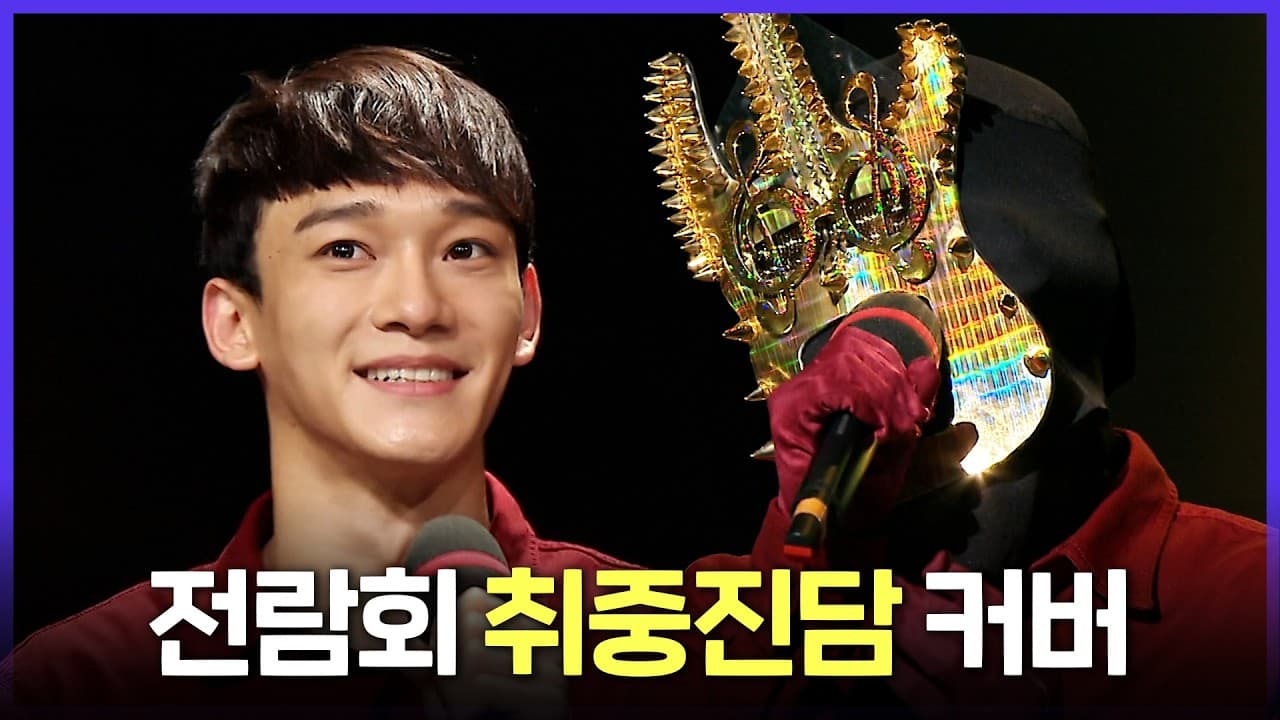
MBC Entertainment has brought Kim Dong-ryul’s “Drunken Truth” back into the YouTube conversation with an official compilation-style upload that places several well-known cover stages beside the original song’s legacy. According to MBC Entertainment’s official YouTube channel, the video presents a timeline that begins with Chen, continues through Lee Seok-hoon, Park Jae-jung, and musical actor Kai, and closes with Kim Dong-ryul’s original performance as Exhibition. The upload is not a new single release, but it is a useful reminder of how Korean broadcasters keep classic songs alive through curated performance archives.
The source is especially suited to a broadcaster-led article because its news value comes from curation. MBC is not asking viewers to follow a comeback schedule or decode a music video concept. It is packaging a familiar song as a cross-generational performance chain. “Drunken Truth” has long functioned as one of Korean pop’s most durable confession songs, a track that singers return to when they want to show tone, restraint, and emotional timing. By placing multiple versions in one official upload, MBC turns that reputation into a watchable map of interpretation.
A Classic Confession Song Gets A Broadcast Archive Frame
“Drunken Truth” has survived because its emotional premise is simple and difficult at the same time. The song is built around a confession made through the haze of alcohol, but its power depends on sincerity rather than melodrama. That makes it attractive to vocalists. A singer can approach it with softness, regret, warmth, or theatrical weight, and each choice changes the listener’s experience without changing the song’s core. The MBC upload uses that flexibility as its organizing principle.
The timeline format is important. Starting with Chen gives the compilation an idol-vocal entry point. Chen’s reputation is tied to clean technique and emotional control, which makes him a natural gateway for younger K-pop listeners who may know the song more through covers than through its original release. Lee Seok-hoon adds a ballad-specialist layer, Park Jae-jung brings a more contemporary male-vocalist context, and Kai’s musical-theater background suggests a different kind of projection and stage presence. By the time the compilation reaches Kim Dong-ryul and Exhibition, viewers have heard the song’s emotional shape refracted through several performance cultures.
This is why official broadcaster archives matter. Fan uploads can preserve moments, but broadcaster uploads can reorganize them into a narrative. MBC’s video is not merely saying that these performances exist. It is saying that they belong in the same conversation. That editorial act gives the song renewed search life and gives each performer’s version a fresh context for viewers who may arrive through one name and stay for the others.
Why Cover Compilations Still Travel
Cover compilations work because they offer both familiarity and comparison. Viewers already know the song, or at least understand its reputation, and they are invited to hear how different artists solve the same emotional problem. In a digital environment dominated by short clips, that kind of comparison can be highly engaging. Fans debate phrasing, key changes, breath control, facial expression, and whether a singer leans into nostalgia or makes the song feel newly personal. A classic ballad becomes a living argument rather than a fixed museum piece.
MBC’s upload also benefits from the way Korean music fandom overlaps across generations. A viewer may click for Chen and discover Lee Seok-hoon. Another may arrive for Kim Dong-ryul’s original and become curious about Park Jae-jung’s interpretation. Musical theater fans may notice Kai’s inclusion and compare his dramatic approach to the pop-ballad singers around him. The video’s strength is that it does not need one fandom to carry the whole upload. It invites multiple audiences into the same song.
That approach is especially valuable for broadcasters, whose archives contain decades of performances that can be rediscovered through careful packaging. Old stage clips often become relevant again when they are tied to anniversaries, viral trends, new artist activity, or simply a theme that viewers recognize. “Drunken Truth” needs little explanation because the song itself has become a shorthand for confession. MBC can therefore use the upload to highlight the performers while relying on the song’s existing emotional capital.
The Performers Show Different Routes Into The Same Song
The most interesting part of the compilation is how each listed performer represents a different route into the material. Chen’s placement highlights the idol vocalist as a serious interpreter of Korean ballad standards. That is an important bridge. Idol vocals are sometimes discussed through choreography and group roles, but songs like “Drunken Truth” put the focus on line delivery and emotional patience. A cover can remind casual viewers that idol singers often carry deep ballad technique alongside pop performance skills.
Lee Seok-hoon’s inclusion points toward another tradition: the polished male ballad singer whose strength lies in controlled sentiment. His approach is likely to draw listeners who value warmth and balance over theatrical force. Park Jae-jung’s presence adds a younger ballad identity, showing how the song continues to move through newer generations of male vocalists. Kai, as a musical actor, broadens the compilation beyond the standard pop-ballad lane. His background suggests a version shaped by stage projection, character, and dramatic pacing.
Ending with Kim Dong-ryul and Exhibition gives the compilation its anchor. Covers can refresh a song, but the original remains the reference point. MBC’s timeline makes that hierarchy clear without diminishing the other performers. It lets viewers hear the song travel outward and then return to the source. That structure is satisfying because it respects both nostalgia and reinterpretation.
What This Means For K-Pop And Broadcast Memory
The upload also shows how K-pop and Korean popular music memory increasingly live on YouTube. Broadcasters once controlled performance archives through reruns and special programming. Now those archives can be broken into searchable, themed uploads that circulate internationally. A fan outside Korea may not know the original broadcast context, but they can still understand the performers, the song title, and the emotional continuity between versions. The official embed turns broadcast history into accessible digital content.
For MBC, this is smart catalog work. It keeps older performances useful, gives classic songs new metadata, and creates a reason for fans of multiple artists to engage with the channel. For artists, official compilations can renew attention without requiring a new schedule. For viewers, they provide a low-friction way to explore Korean vocal performance across different eras and genres.
“Drunken Truth” is a strong choice for this treatment because the song has never depended on trendiness. It depends on recognition, vocal trust, and the listener’s willingness to believe a confession. Those qualities age well. By gathering Chen, Lee Seok-hoon, Park Jae-jung, Kai, and Kim Dong-ryul in one official timeline, MBC Entertainment gives the song another path into the present. The video is not just a playlist item. It is a small lesson in how a Korean classic keeps finding new voices.
How do you feel about this article?
저작권자 © KEnterHub 무단전재 및 재배포 금지
Entertainment Journalist · KEnterHub
Entertainment journalist focused on Korean music, film, and the global K-Wave. Reports on industry trends, celebrity profiles, and the intersection of Korean pop culture and international audiences.
Comments
Please log in to comment