MBC Revives Infinite Challenge's 2011 Song Festival
A new official YouTube compilation reframes one of Korean variety television’s most durable music moments.
 By Jang Hojin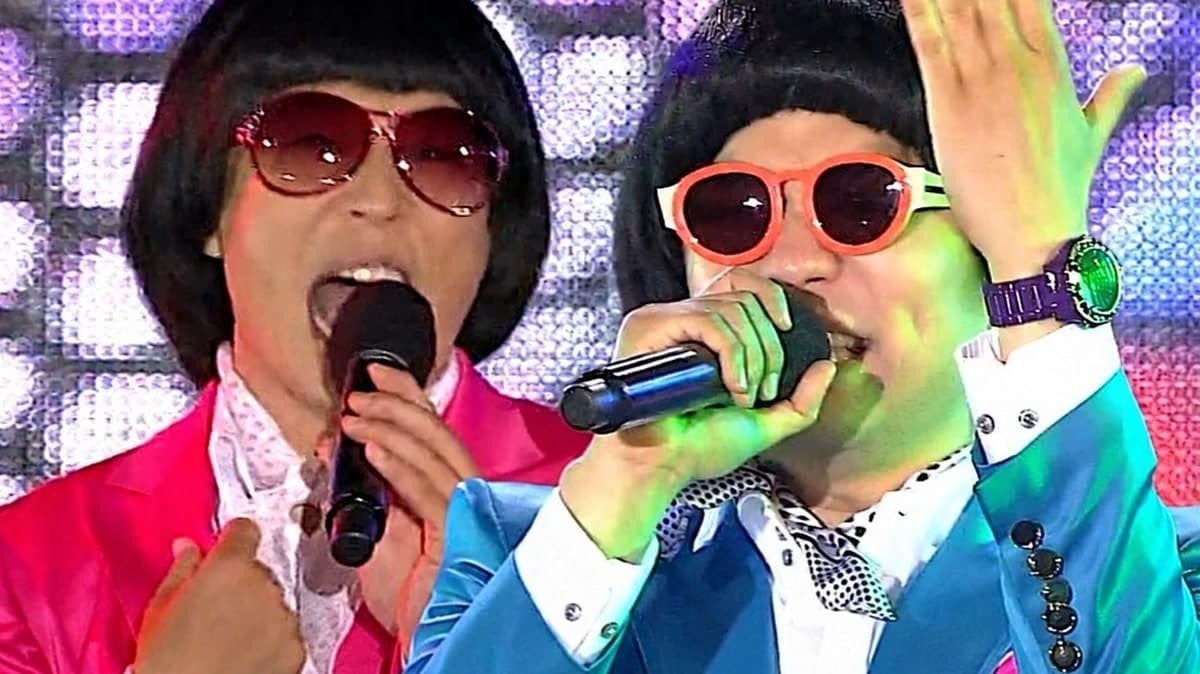
According to MBC Entertainment's official YouTube channel, the broadcaster has released a new long-form compilation centered on the 2011 Infinite Challenge West Coast Highway Music Festival, gathering the performances that turned a variety-show project into one of Korean television's most replayed music events. The video, uploaded on July 4, 2026, runs for more than 28 minutes and presents a full sequence of stages from the special, including teams built around Yoo Jae-suk, Jung Hyung-don, Park Myung-soo, Haha, Jung Joon-ha and Noh Hong-chul alongside musicians including Lee Juck, Jung Jae-hyung, Bada, G-Dragon, Park Bom, 10CM, Daybreak, Sweet Sorrow and Psy.
The timing matters because the clip is not simply a nostalgia upload. Official broadcast channels have increasingly treated legacy variety moments as current entertainment assets, and this compilation shows why. The 2011 festival sits at a rare intersection of comedy, pop production and live-stage memory. It was born from a variety premise, but the songs outlived the episode structure. For viewers who watched the original MBC broadcast, the compilation is a concise return to a specific television era. For younger fans arriving through YouTube recommendations, it functions almost like a crash course in how Korean variety helped shape crossover music moments before short-form platforms became the default engine of viral culture.
A Variety Project That Became a Real Music Memory
The West Coast Highway Music Festival remains unusual because its appeal came from the friction between comic personas and professional musicianship. The lineup listed in the official description moves from Sagging Snail, the Yoo Jae-suk and Lee Juck pairing, to Paris Pig Ang, the Jung Hyung-don and Jung Jae-hyung duo, then to Bada and Gil's ballad-focused stage, Park Myung-soo and G-Dragon's GG unit with Park Bom, Haha's collaboration with 10CM and Daybreak, Jung Joon-ha with Sweet Sorrow, and Noh Hong-chul with Psy. On paper, those combinations should have been too chaotic to cohere. On screen, that mismatch became the point.
Korean variety television has often relied on temporary teams, but the 2011 festival had a higher ceiling because the celebrity participants were not merely singing parody tracks. They were being placed inside genuine pop frameworks built by artists who understood arrangement, hook construction and performance pacing. The result was a set of songs that fans could enjoy outside the episode context. That distinction explains why an official compilation can still draw attention in 2026. It is not asking viewers to remember a sketch; it is inviting them to revisit performances that became part of the broader variety-music archive.
G-Dragon and Park Bom's appearance remains the most obvious bridge to K-pop history. By 2011, Big Bang and 2NE1 were already defining the international edge of Korean pop, and their presence inside an Infinite Challenge project gave the festival a different cultural weight. The video description's timeline places GG's stage around the middle of the compilation, but in memory it often functions as the event's pop-center gravity. It captured an era when idol artists, variety comedians and broadcast producers could build a television song that traveled beyond Saturday-night viewing.
Why MBC's YouTube Archive Strategy Works
MBC Entertainment's decision to package the stages under a "Legend Song" frame also reflects a wider archive strategy. Broadcasters hold decades of material, but archival value is not automatic. A legacy clip needs a current framing device, clear metadata, watchable length and a reason for fans to share it again. This upload supplies all four. The title signals that the video is a curated music experience rather than a random excerpt. The description provides a timestamped track list. The runtime is long enough to feel substantial but short enough for a single viewing session. Most importantly, the performances are already associated with a warm cultural memory.
That approach is increasingly important for Korean entertainment companies competing on YouTube with agencies, streaming platforms and fan-edited content. Official channels have a major advantage: clean source material, copyright authority and the ability to present context without relying on unofficial uploads. When they use that advantage well, they can reclaim moments that might otherwise circulate in fragmented clips. This compilation does exactly that. It lets the broadcaster own the conversation around one of its strongest variety-music assets while making the material accessible to global K-entertainment fans.
The compilation also shows how different the variety ecosystem looked before the current platform era. Today, a music-variety crossover might be designed for immediate vertical clipping, TikTok circulation and algorithmic reaction videos. The 2011 festival came from a slower broadcast grammar: team formation, rehearsal, personality chemistry and payoff on stage. The emotional reward came from watching entertainers stretch beyond their expected skill set. That arc is harder to capture in a ten-second clip, which is why the official long-form upload has value. It restores the event's shape.
The Fan Value of Seeing the Whole Lineup Together
For fans, the strongest appeal is the density of recognizable names. Yoo Jae-suk remains Korea's most reliable national MC figure. G-Dragon continues to carry generational importance as a producer, performer and fashion icon. Park Bom's voice still instantly evokes 2NE1's peak-era color. Psy's later global explosion adds another retrospective layer to his appearance with Noh Hong-chul. Even the non-idol collaborators represent a particular Korean music spectrum, from Lee Juck's singer-songwriter credibility to 10CM's indie-pop sensibility and Sweet Sorrow's vocal-group polish.
Seen in 2026, the festival now reads as a cultural snapshot rather than only a funny project. It captures the moment when variety could borrow from pop without becoming a promotional showcase, and pop musicians could enter variety without diluting their artistic identities. That balance is harder than it looks. Too much comedy and the songs become disposable. Too much polish and the variety premise disappears. The West Coast Highway Music Festival worked because both sides stayed visible.
The renewed upload is therefore more than a rerun. It is a reminder that Korean entertainment's global strength has always come partly from format blending. Music, comedy, personality-driven television and fandom memory rarely stay in separate lanes for long. MBC's compilation gives that history a clean official home, and it gives fans another reason to revisit a lineup that still feels improbable, generous and unusually replayable fifteen years after the original broadcast.
How do you feel about this article?
저작권자 © KEnterHub 무단전재 및 재배포 금지
Entertainment Journalist · KEnterHub
Entertainment journalist specializing in K-Pop, K-Drama, and Korean celebrity news. Covers artist comebacks, drama premieres, award shows, and fan culture with in-depth reporting and analysis.
Comments
Please log in to comment