M.C the MAX's Soo Transforms a 23-Year-Old Song Into Something New
The veteran Korean vocalist re-records a MOONCHILD track with full orchestral arrangement, turning nostalgia into something genuinely new
 By Jang Hojin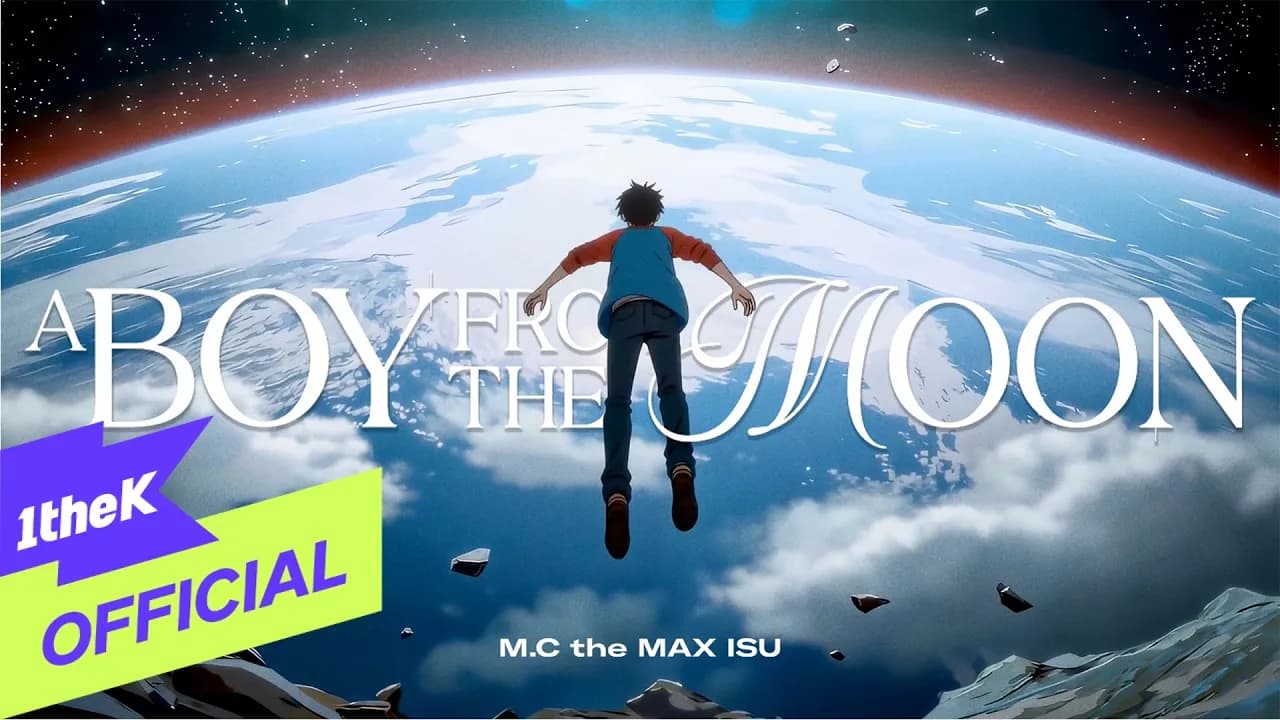
Soo (이수) from M.C the MAX has released something that does not fit neatly into the current K-pop release calendar — and that is precisely what makes it worth paying attention to. On May 15, the veteran Korean vocalist dropped "A Boy From The Moon (2026)," a new album built around orchestral re-recordings of songs originally released by MOONCHILD, M.C the MAX's predecessor group, in 2003.
The original album, "Delete," came out 23 years ago, when Soo and his musical partners were still forming the identity that would eventually evolve into M.C the MAX. Returning to that material now, with decades of vocal experience and the capability to commission full orchestral arrangements, is a different kind of creative act than writing new music. It is an excavation — pulling something buried under years of time and distance back into the present.
What the Song Is About
"A Boy From The Moon (2026)" — the album's title track — tells the story of a boy who travels from the moon searching for a girl left alone on Earth. The narrative moves between fantasy and reality, tracing the boy's journey toward reunion. As a ballad, it operates in M.C the MAX's established emotional register: expansive vocal performance, orchestral swell, and a sense of longing that the lyrics treat with care rather than melodrama.
The original song, from MOONCHILD's 2003 debut, carried a similar emotional core but was arranged within the production constraints of that era. Soo's 2026 version maintains the flow of the original while adding a full orchestral layer that expands the sonic space considerably. The effect is of the same story being told in a larger room — the same words, but with more room for the emotion to move.
The song made its live debut at a different moment than most releases: Soo had already performed it at his solo concert tour "Gyeoul-nagi (겨울나기)," a winter tour that concluded in February of this year. He watched the audience response across multiple performances before deciding to commit to a studio recording and commercial release. That process — testing material in front of real audiences before recording it — is unusual in an industry that typically sequences studio recording first and live performance second.
The MOONCHILD Legacy
Understanding why this release matters requires some background on the MOONCHILD-to-M.C the MAX transition. MOONCHILD was a Korean rock group that released its debut album "Delete" in 2003 and disbanded the following year. From MOONCHILD's membership, Soo and Park Jeong-ah formed M.C the MAX in 2004, continuing a musical direction that blended rock instrumentation with powerful ballad sensibilities and technically demanding vocal performances.
M.C the MAX has remained active and respected in the Korean music scene for more than two decades, which is itself a remarkable feat in an industry that cycles through acts quickly. Their longevity comes from a combination of genuine musical craft and an audience that has grown alongside them — fans who found M.C the MAX in their early careers and continue to follow the duo's output.
Revisiting MOONCHILD material in 2026 is, in part, a gift to that long-term audience. The songs from "Delete" carry memories for listeners who were present for the original release and who have continued following the music through multiple generations of Korean entertainment. Hearing those songs reinterpreted by the same voice, now more developed and more capable, offers something that a new composition cannot replicate.
Why This Release Matters Now
Korean music's relationship with its own history has become increasingly complex. The industry's international growth over the past decade has brought enormous new audiences, but it has also created pressure toward constant novelty and immediate viral impact. Releases are evaluated rapidly, and artists who do not generate streaming numbers or social media engagement within the first 48 hours can find their work quickly buried.
Against that backdrop, "A Boy From The Moon (2026)" operates by entirely different logic. This is not a release aimed at algorithm optimization or trend capture. It is a veteran artist returning to foundational material and offering it in a form that his current technical capabilities can fully realize. The audience for this release knows who Soo is, values the MOONCHILD history, and will appreciate the orchestral treatment for what it represents: completion of something that started 23 years ago.
For international listeners discovering M.C the MAX or Soo's work for the first time, "A Boy From The Moon (2026)" offers an accessible entry point. The orchestral ballad format requires no genre familiarity — the emotional content of the song travels without context. The music video, released simultaneously on 1theK's YouTube channel, provides a visual dimension that complements the song's fantasy narrative.
Soo has indicated that this album release signals the beginning of his 2026 music activities, with further releases planned throughout the year. For listeners who have followed M.C the MAX through their two-decade career — and for new listeners willing to move outside the immediate K-pop release cycle — "A Boy From The Moon (2026)" offers the rare satisfaction of a musician doing exactly what they are best at, without compromise or concession to trend.
Sometimes the most interesting thing in music is not the newest sound. Sometimes it is the oldest one, heard again for the first time.
The Album in Context
The full "A Boy From The Moon (2026)" album encompasses multiple tracks from the original MOONCHILD catalog, each given the same orchestral treatment as the title track. What Soo has assembled is less a standard Korean music release and more a formal archival act — preserving and expanding the emotional range of work that predates M.C the MAX's mainstream recognition. In doing so, he creates a document that serves both as a debut (for listeners encountering the material for the first time) and as a kind of homecoming (for fans who know exactly what was at stake when MOONCHILD recorded these songs in 2003).
The orchestral arrangement choices throughout are deliberate and restrained. Rather than overwhelming the original compositions with added complexity, the arrangements serve the melodies — widening their emotional frequency without displacing them. Soo's vocal approach matches this: he brings his current technical maturity to bear without erasing the rawer emotional quality that made these songs resonate in the first place. The result is a record that justifies the 23-year wait not through novelty but through depth.
How do you feel about this article?
저작권자 © KEnterHub 무단전재 및 재배포 금지
Entertainment Journalist · KEnterHub
Entertainment journalist specializing in K-Pop, K-Drama, and Korean celebrity news. Covers artist comebacks, drama premieres, award shows, and fan culture with in-depth reporting and analysis.
Comments
Please log in to comment