Nana Explains Why She Returned to Drag Performance
 By Seung Jung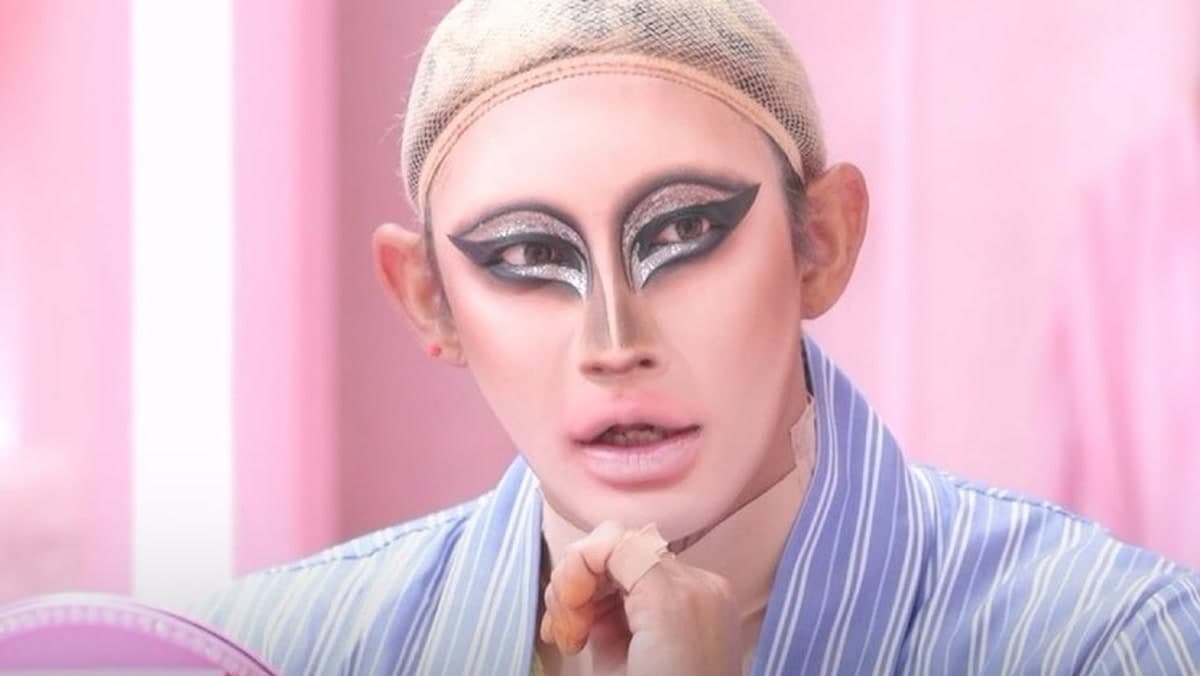
Nana reflects on 15 years in drag, a difficult hiatus and the decision to return to the stage in an official Twin Mirror Show clip.
A return after uncertainty
The official Mnet K-POP YouTube channel’s Twin Mirror Show clip is the primary source for this report from Twin Mirror Show Episode 10 follows Nana as she reflects on about 15 years in drag performance. She explains that the early years offered few stages and that the practical strain eventually led her to step away. The account is specific to her life and is not presented as a complete history of drag in Korea.
Starting when opportunities were scarce
Nana says that at around 22 or 23, drag shows were limited and the wider culture did not receive many visitors. She sometimes performed only once or twice a month. The lack of regular work made it difficult to justify the money and time required to keep going.
The decision to pause
The captions show Nana questioning whether she should continue while trying to make a living. She eventually put drag aside for roughly two or three years and worked in other areas. The pause was not described as a rejection of performance; it was a practical decision made under pressure.
Realizing what remained
Distance from the stage made Nana reconsider her identity. She describes the feeling that the person who danced, transformed and performed was still her. Once she believed she had enough of a foundation, she decided to start again. The emotional movement is one of recognition rather than a sudden career miracle.
Invitations back to clubs
Nana says that after deciding to return, clubs began inviting her to perform. Those invitations allowed her to focus on drag again. The clip does not give a complete list of venues or dates, so the report does not add them. What is confirmed is that the return was supported by opportunities to work.
Craft behind the image
The episode combines the personal story with a makeup demonstration. Nana explains using highlighter on the nose, cheeks, forehead and chin so the light will catch the face. The practical lesson makes clear that drag is built through preparation, technique and repeated choices, not only through the finished image.
A story about work and identity
Nana’s account shows how an art form can be central to identity while remaining difficult to sustain financially. The two-to-three-year break becomes part of the story rather than evidence that the earlier work was meaningless. Returning later allowed her to bring both the memory of scarcity and a renewed desire to perform.
A careful cultural reading
The video offers one performer’s testimony. It does not provide industry statistics or speak for every drag artist in Korea. Its value is more focused: it records a personal explanation of why a performer paused, what she missed and why she chose the stage again.
Why the conversation matters
Mainstream entertainment coverage often emphasizes finished appearances, but Nana’s discussion reveals the labor underneath. The makeup sequence and the life story are connected. The audience sees how visual transformation depends on time, materials, practice and the confidence to appear before other people.
Outlook
The source does not announce a new project or schedule. The confirmed outlook is that Nana continues to describe drag as meaningful and that Twin Mirror Show gives viewers context for her return. Her story is ultimately about the cost of pursuing performance, the persistence of identity and the choice to begin again.
The practical cost of performance
Nana’s account is useful because it includes money, time and work rather than only glamour. Buying materials, preparing a face and finding a stage all require resources. When shows were infrequent, the choice to continue was also a choice about how to spend limited energy. Her eventual pause therefore reads as a practical calculation as well as an emotional one.
A break is not an ending
The two-to-three-year hiatus does not erase the earlier years. Nana describes continuing to feel that performance was part of her even while doing other work. That distinction matters for audiences who understand careers as a series of starts, pauses and returns. A gap can change perspective without cancelling the identity that shaped the work.
Technique makes the story visible
The makeup demonstration turns an abstract discussion of identity into a visible process. Highlighter is placed with the lighting in mind, and the face is treated as a surface that must read from a distance. The finished image depends on decisions that audiences may notice only as a general impression.
Avoiding a larger claim
The clip cannot establish how every drag performer experiences Korea’s entertainment landscape. It contains no industry survey or market data. Its contribution is more intimate: one performer explains why early scarcity led to a pause and why the desire to perform eventually became stronger than the reasons to stay away.
A clear outlook
Nana does not announce a new project in the supplied footage. The confirmed future-facing point is that she has reclaimed performance as meaningful. Viewers can follow the official Mnet K-POP channel for any later program or stage information, while this episode remains a reflective account of the road back.
Confirmed limits of the report
The official video supports a focused account of what was said and shown. It does not support additional speculation about private circumstances, future schedules or audience size. Keeping those limits visible protects the subjects and makes the report more useful: readers can distinguish the primary footage from interpretation and wait for authorized updates when more information becomes available.
Why the official upload matters
Using the broadcaster’s own upload also preserves the program context. The clip is part of a larger entertainment format, with its own editing and conversational rhythm. Viewers who want the full context should watch the embedded video and consult later official material rather than treating a short excerpt as a complete biography or medical record.
How do you feel about this article?
저작권자 © KEnterHub 무단전재 및 재배포 금지
Senior Entertainment Correspondent · KEnterHub
Senior entertainment correspondent with a wide-angle view of Korean show business. Seung Jung covers celebrity news, variety television and award season, and writes the interviews and features that connect individual stories to the larger currents of Korean entertainment.
Comments
Please log in to comment